Banana Peppers: Recipes, Growing Tips & Everything You Need to Know
What’s fresh in August?
Story By Bailey Gilliam
Why Banana Peppers Are a Summer Favorite
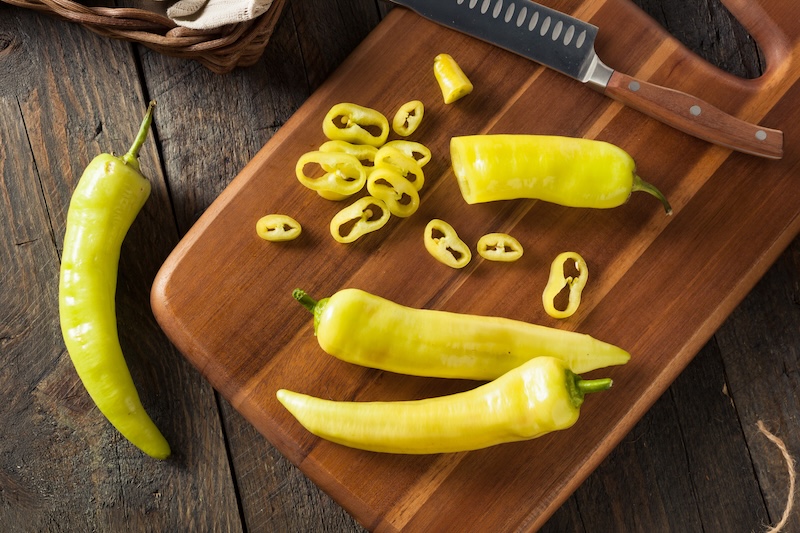
Few peppers work harder in the kitchen than the banana pepper. Found everywhere from deli sandwiches and pizzas to salads and jars of pickled vegetables, this bright yellow favorite has earned its place, thanks to its mild heat, tangy flavor and impressive versatility. Named for their curved shape and sunny color, these peppers gradually ripen to shades of orange and red as they mature. Peak harvest season runs from June through September, making August one of the best times to enjoy them fresh. Whether eaten raw, pickled, sautéed or stuffed, they deliver plenty of flavor without overwhelming heat.
Banana Peppers vs. Pepperoncini: What’s the Difference?
Though often confused, banana peppers and pepperoncini are entirely different varieties. Traditional sweet banana peppers have smooth skin, subtle sweetness and very little heat, typically topping out around 500 Scoville Heat Units. Pepperoncini have thinner, wrinkled skin and a tangier bite with slightly more heat. Not all banana peppers are mild, however. Certain hot banana pepper varieties offer the same familiar shape and color but deliver significantly more kick, often reaching 5,000 to 10,000 Scoville Heat Units. Another commonly mistaken relative is the Hungarian wax pepper, which looks nearly identical but is usually much spicier and favored in dishes that call for more serious heat.
The History of Banana Peppers
Like all peppers, banana peppers trace their roots to Central and South America, where peppers have been cultivated for thousands of years. After European explorers introduced peppers abroad, growers in Hungary began experimenting with new varieties, eventually helping shape the banana pepper we know today. Introduced to the United States in 1932, its mild flavor, thick walls and easy-growing nature quickly made it a favorite in backyard gardens. Before long, it was topping pizzas, filling sandwiches and earning a permanent place among America’s favorite pickled toppings.
Banana Pepper Nutrition & Health Benefits
Low in calories but surprisingly nutrient-dense, these colorful peppers bring more to the plate than tang and crunch. They deliver fiber along with vitamins A, C, B6 and K, plus potassium, calcium and folate. Their vitamin C content helps support immune health, while capsaicin, the compound behind a pepper’s heat, has been linked to improved metabolism and better digestive health. In other words, banana peppers add flavor, color and a small nutritional boost without weighing down a meal.
How to Choose & Store Banana Peppers
When shopping for banana peppers, look for ones that feel firm, crisp and glossy, with smooth skin and vibrant color. Avoid peppers that appear soft, wrinkled or dull, as these are signs they may be past their prime. While most are harvested and sold yellow, peppers allowed to ripen to orange or red tend to develop a sweeter, slightly richer flavor. To keep them fresh longer, store them in the refrigerator’s crisper drawer, where they typically stay in peak condition for up to two weeks.
How to Grow Banana Peppers
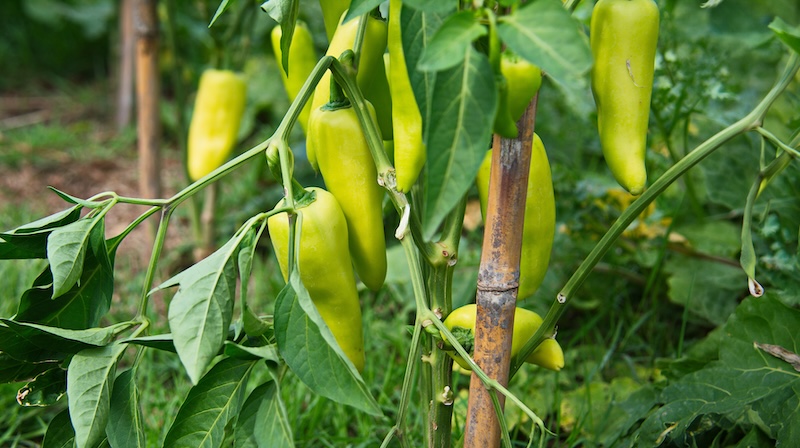
Easy to grow and highly productive, banana peppers are a favorite among home gardeners for good reason. According to Clemson Cooperative Extension, these warm-weather plants thrive in full sun and well-drained soil, making them especially well suited for summer gardens across the Lowcountry. Space plants about 12 inches apart, water consistently, and add mulch to help retain moisture during hot stretches. Under ideal conditions, plants begin producing peppers in as little as 70 to 85 days, with regular harvesting encouraging even more growth. Popular varieties include Sweet Banana, Banana Supreme and Key Largo.
The Best Ways to Cook With Banana Peppers
Few ingredients offer as much versatility as the banana pepper. Balancing brightness, crunch and just enough heat, these colorful peppers have become a favorite ingredient for cooks looking to enhance everyday meals. Fresh slices bring crisp texture to sandwiches and salads, pickled rings brighten burgers and pizzas, and their sturdy walls make them ideal for stuffing with cheeses, meats and savory spreads. Whether grilled, roasted, sautéed, pickled or enjoyed straight from the garden, these peppers prove that big flavor does not require serious heat.
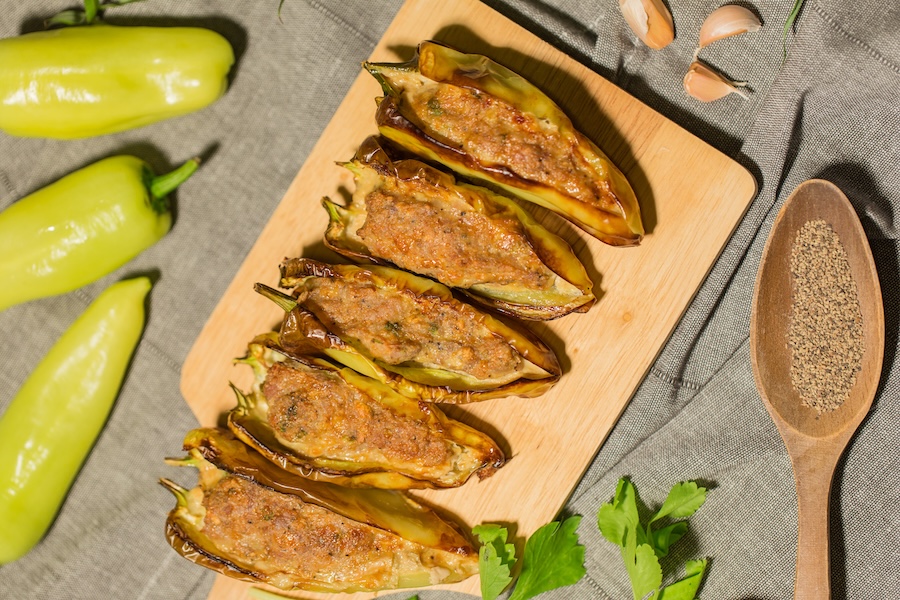
Pork-Stuffed Banana Pepper Recipe
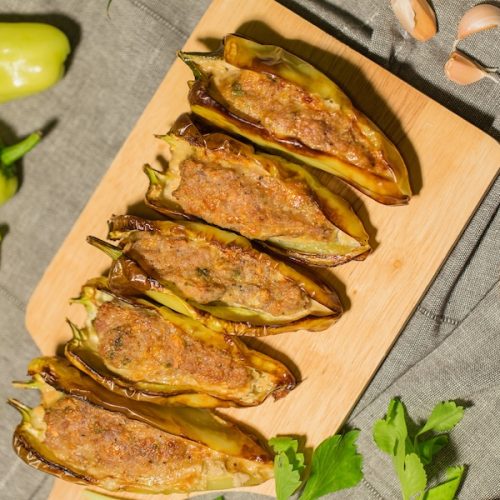
Pork-stuffed banana peppers
Ingredients
Peppers
- 6-8 banana peppers
- 1 tablespoon oil
- Pinch of salt
Pork Filling
- 1/2 pound ground pork
- 1 clove garlic minced
- 1 tablespoon shallot finely chopped
- 1 tablespoon fresh parsley chopped
- 1 tablespoon breadcrumbs
- 1 egg yolk
- 1 teaspoon soy sauce
- 1/2 teaspoon sesame oil
- Salt and black pepper to taste
Instructions
- Wash the banana peppers and slice them lengthwise. Remove the seeds and membranes, leaving the stem intact.
- In a bowl, combine the ground pork, garlic, shallot, parsley, breadcrumbs, egg yolk, soy sauce, sesame oil, salt and black pepper. Mix well until everything is evenly incorporated.
- Spoon the pork mixture into each pepper half, pressing gently to fill. Do not overfill.
- Heat 1 tablespoon of oil in a skillet over medium heat. Add the stuffed peppers, filling side down, and cook for 4-5 minutes until the filling is golden brown and the pepper begins to soften. Flip and cook for another 3-4 minutes until the peppers are tender and the pork is cooked through.
- Transfer to a plate and serve hot with steamed rice, dipping sauce or a squeeze of lime.
Notes
How to Pickle Banana Peppers
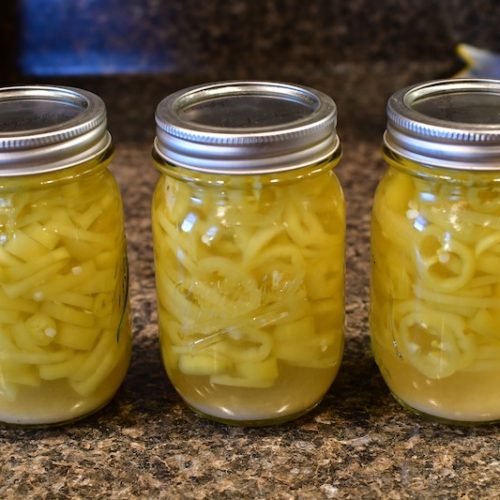
Pickled Hot Banana Peppers
Ingredients
- 4 pounds fresh banana peppers
- 5 cups white vinegar 5% acidity
- 1 cup water
- 4 teaspoons canning or pickling salt
- 2 tablespoons sugar
- 2 cloves garlic
Instructions
- Wash peppers thoroughly. Remove stems and slice peppers into rings, or leave small peppers whole and cut two to four slits in each pepper to allow the brine to penetrate.
- Pack peppers firmly into hot, sterilized jars, leaving 1/2-inch headspace.
- Combine vinegar, water, salt, sugar and garlic in a large saucepan. Bring to a boil, then reduce heat and simmer for 10 minutes. Remove and discard the garlic cloves.
- Pour the hot pickling liquid over the peppers, maintaining 1/2-inch head space. Remove air bubbles and adjust head space if needed. Wipe jar rims, apply lids and bands, and tighten to fingertip tight.
- Process pint or half-pint jars in a boiling water bath for 10 minutes.
- Remove jars and let cool undisturbed for 12 to 24 hours. Check seals before storing in a cool, dark place.
Tre Porcellini Pizza Recipe With Banana Peppers

Tre Porcellini Pizza
Ingredients
- 1 personal pizza dough of choice (about
- 8-10 inches)
- 1/2 cup pepperoni slices
- 1/3 cup Pomodoro sauce available at Michael Anthony’s
- 1 cup shredded mozzarella cheese
- 1/2 cup sausage cooked and crumbled
- 1/4 cup bacon cooked and chopped
- 1/4 cup sliced banana peppers
- 2 tablespoons grated Parmesan
- or pecorino cheese
- 1 teaspoon chopped parsley
Instructions
- Prepare dough according to package directions.
- Spread the Pomodoro sauce over the dough, leaving a small border around the edge. Top with mozzarella, sausage, pepperoni, bacon and banana peppers.
- Bake according to package directions or until the crust is golden and the cheese is bubbly. For a restaurant-quality finish, top with freshly grated Parmesan or pecorino and a light sprinkle of chopped parsley to add savory depth and a pop of fresh color.