


A Guide to The Coastal Discovery Museum’s Native Plant Sale
Everything you need to know about shopping the Coastal Discovery Museum’s Native Plant Sale to garden smarter this season.
Story by Lance Hanlin
With the first real hint of spring in the air, one of the Lowcountry’s most beloved gardening traditions returns: the native plant sale at the Coastal Discovery Museum. For local plant lovers, this is not just a sale. It is an event. It is the day you show up with a plan and leave with a trunk full of leafy optimism. This year’s sale (March 28) features more than 85 varieties of plants native to our coastal region, each selected for its ability to thrive in Lowcountry heat, humidity and sandy soil. These plants know how to live here. They require less watering, little to no fertilizer and fewer pesticides, which means less work for you and less runoff into the marshes and waterways we all treasure. Native gardens also provide critical habitat and food for birds, bees and butterflies.
According to Clemson Cooperative Extension, roughly one-third of the food on our plates depends on pollinators. A native plant purchase is more than landscaping. It is ecosystem support.
What’s in the lineup
The spring selection reads like a greatest hits album of Lowcountry natives, with something for sunny borders, shady corners and everything in between.
Trees and shrubs
This year’s lineup leans heavily into beautiful and functional native shrubs. Five native azaleas, including coastal, swamp and flame varieties, promise a showy spring display. Buttonbush, a magnet for butterflies, produces distinctive globe-shaped blooms that resemble tiny fireworks. Fringetree offers delicate white blossoms that float like fringe in late spring.
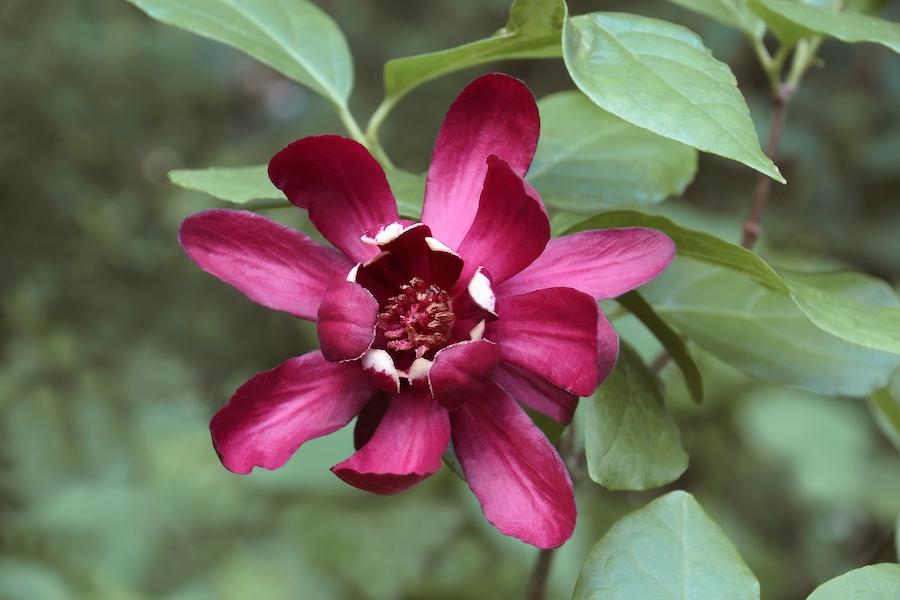
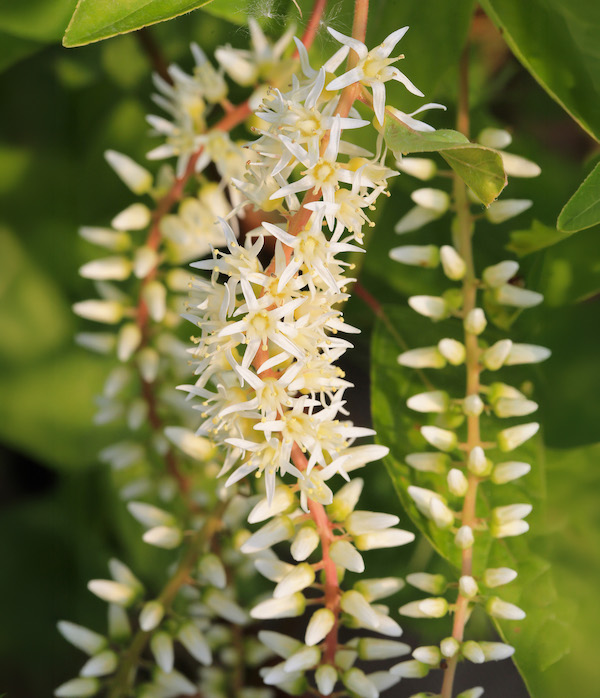
Oakleaf hydrangea returns with its bold foliage and dramatic fall color, while sweetshrub, also known as Carolina allspice, delivers deep maroon flowers and an unexpected spicy fragrance that stops gardeners in their tracks. Sweetspire ‘Henry’s Garnet’ performs a rare double act with fragrant white blooms in spring followed by brilliant red foliage in fall.
For gardeners who enjoy edible rewards, three rabbiteye blueberry varieties, ‘Premier,’ ‘Powder Blue’ and ‘Brightwell,’ will be available, along with native strawberry and Jerusalem artichoke.
Perennials
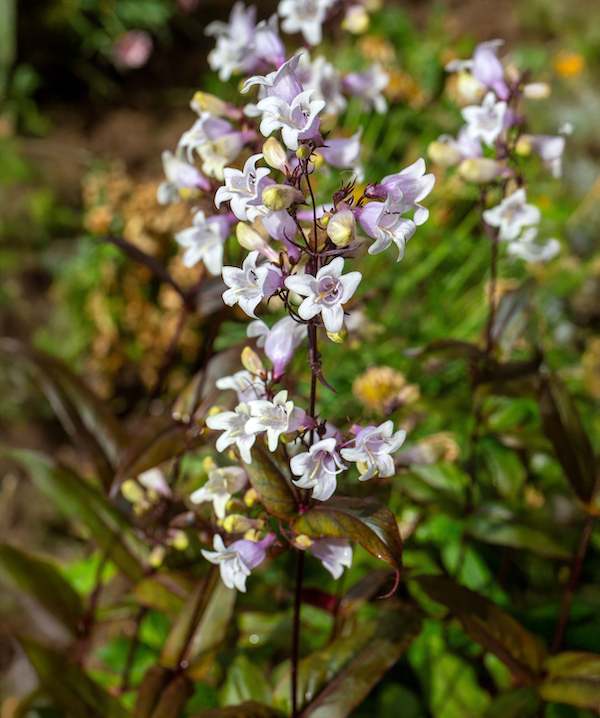
Pollinator favorites lead the lineup, with milkweeds for monarchs and dependable bloomers like coneflowers, black-eyed Susans and blazing star delivering long-lasting color. Bee balm, mountain mint and dotted horsemint keep gardens buzzing, while swamp sunflower and giant ironweed add height and late-season drama.
In part shade, Carolina phlox, robin’s plantain, green and gold, and dwarf crested iris offer softer beauty, with Atamasco lily emerging after spring rains. For bold summer impact in moist areas, scarlet hibiscus, swamp rosemallow and cardinal flower steal the show.
Vines for fences and arbors
Vertical interest is well covered. Crossvine and coral honeysuckle are reliable favorites for trellises and fences. Passionflower, available in both purple and yellow varieties, feeds Gulf fritillary butterflies while adding an exotic flair. Native wisteria ‘Amethyst Falls’ offers more restrained growth than its aggressive Asian relatives, and pipevine serves as a host plant for swallowtail caterpillars. Trumpet vine, as always, makes its presence known.
Ferns and shade lovers
Southern shield fern and southern wood fern provide lush texture in low-light areas. Pair them with woodland natives such as dwarf woodland iris or partridge berry to create layered plantings beneath live oaks.
Expert help included
One of the best parts of the sale is that you do not have to figure it out alone. Museum staff, volunteers and Master Gardeners will be onsite to answer questions about plant placement, sun exposure and how to give your new additions their best start.
Prices remain refreshingly reasonable. One-gallon plants are $10 and three-gallon plants are $20. Cash or check only.
Event Details
What: Coastal Discovery Museum Native Plant Sale
When: 10 a.m.-1 p.m., Saturday, March 28
Where: Honey Horn, Hilton Head Island
Details: Free admission and parking. Cash or check accepted. Come for the plants, stay for the inspiration and leave with a garden that looks good, behaves itself and gives something back to the Lowcountry we love.


