DIY Solutions to Bring Your Spring Garden into Full Bloom
Spring into action with expert advice about repotting indoor plants, repelling insects and guaranteeing success year after year.
Story by Alea Wilkins and Suzanne Barton
Key Points
● Sanitize pots with a homemade solution of water and bleach.
● Look out for insects like aphids, cottony mealybugs and spider mites, and get rid of them with a DIY-insecticide.
● Keep a garden journal to track observations and improve skills.
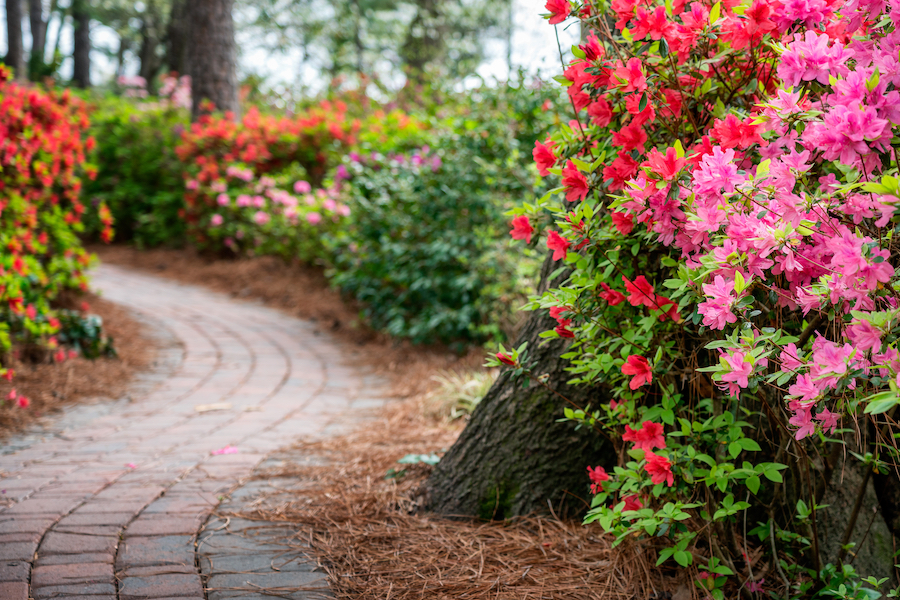
Brighter days are ahead in the Lowcountry. As the air warms and azaleas begin to bloom, spring ushers in the beginning of a new growing season. With tips from The Green Thumb’s manager and certified professional horticulturist Suzanne Barton, here’s how to make the most of it.
[LOCAL Life] Should I repot my indoor plants?
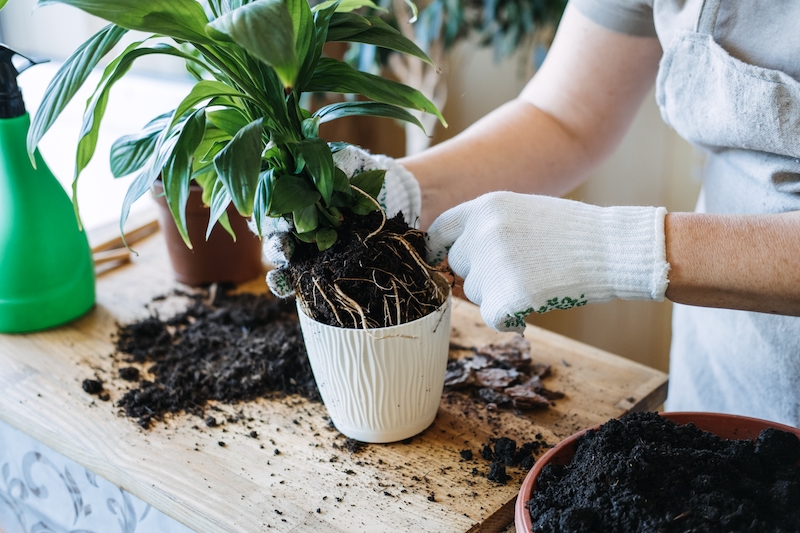
[Suzanne Barton] Now is a great time to repot houseplants. They know it’s spring, and they’ll become more active as the days lengthen. Repotting gives plants extra room to grow and refreshed soil, which can break down and lose nutrients over time. The timing will depend on the specific plant and how fast it is growing, but most plants should be repotted at least every couple of years. When you do that, you can also sanitize your pots with a homemade solution of one part bleach to nine parts water. Soak for 15 to 30 minutes, rinse to remove all residue, and you’ll be ready for the season.
[LL] Which insects should I look out for, and how can I get rid of them?
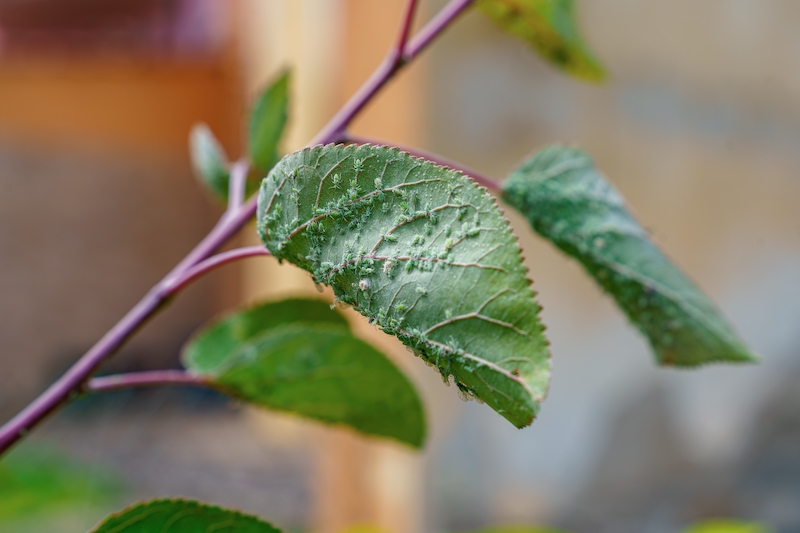
[SB] Insects like aphids, cottony mealybugs and spider mites start to appear this time of year. If you notice yellowing spots, black sooty mold or webbing between leaf axils, you likely have an infestation. To get rid of them, you can make your own insecticide with ingredients you probably already have at home. Mix one gallon of water, two tablespoons of mild dish soap and one tablespoon of vegetable oil. I prefer canola, but do not use olive oil. Shake well, since oil and water separate, then spray infected plants every 10 to 14 days. Make sure the spray has time to dry on the plant before the sun hits it. Spraying at night may cause the solution to stay damp and encourage fungus, so early morning is ideal. That way the oil sticks to the plant to aid in suffocating the insects.
[LL] Between managing my indoor and outdoor plants, how can I keep track of everything?
[SB] People are going to roll their eyes, but I always recommend keeping a garden journal. It doesn’t have to be fancy; just something you can take outside and use to jot down observations that help create a constructive routine. You can revisit notes week by week or year by year. For me, if I write things down, I remember them better. Over time, that information really starts to stick.
March tips from Lowcountry Gardening, a guide written and produced by the Lowcountry Master Gardener Association
Because of our usually mild winters, it can be hard to tell when winter ends and spring begins. Using the last frost date in mid- March is fairly reliable.
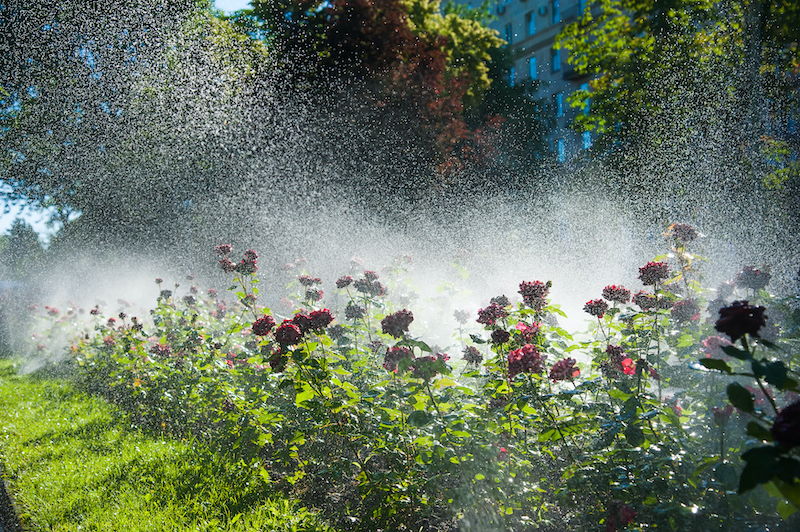
Check your irrigation system to make sure it is working properly and that all areas of the landscape are covered appropriately. Do this in early March, as irrigation professionals become very busy as the season progresses.
Remove fallen leaves and winter debris from mulch with a hand- held leaf blower or rake. Most mulch needs to be renewed every year or two. Before applying new mulch, side-dress shrubs out to the drip line with a 1/2- to 1-inch layer of organic material, such as compost.
Inspect trees, shrubs and perennials to be sure plant debris, including deciduous leaves and mulch, is not too close to stems or trunks and not so deep that it smothers plants.
Cut back perennials with dead foliage. Divide overcrowded clumps of perennials: replant or share them with a friend as soon as possible.
Excerpted from Lowcountry Gardening, written and published by the Lowcountry Master Gardener Association. Grab a copy of this handy guide to all things Lowcountry gardening for $5 at The Greenery, Bruno Landscape & Nursery, The Green Thumb or the Master Gardener booth at the Bluffton and Port Royal farmers markets. For more information, visit LowcountryMGA.org.