Under the Spell of Dr. Buzzard and Lowcountry Rootwork
Inside the legend of Dr. Buzzard, the Lowcountry’s famous root doctor
Story by Michaela Satterfield
Photography by Michael Hrizuk
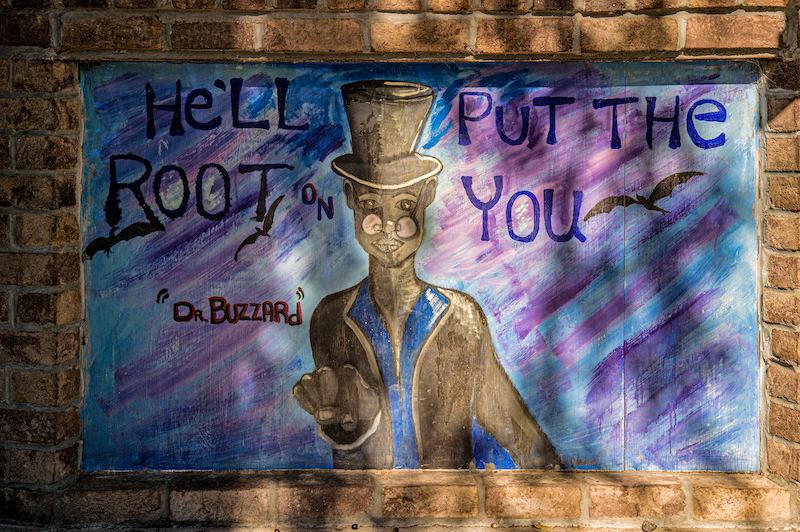
He dressed in black, drove expensive cars and was known to sit quietly inside Beaufort County courtrooms, watching the proceedings through purple-tinted glasses. His name was Stephen “Stepney” Robinson, but almost everyone knew him as Dr. Buzzard. From his home on St. Helena Island, Robinson became one of the Lowcountry’s most famous root doctors, drawing clients from near and far and building a reputation so powerful that stories about him blurred the line between history and folklore. Some sought his help. Others feared him. Even Beaufort County’s sheriff became fascinated enough with rootwork to learn its traditions himself. Nearly 80 years after Robinson’s death, separating the man from the legend is not always easy. Perhaps that is why the legend of Dr. Buzzard refuses to die.
Getting to the root
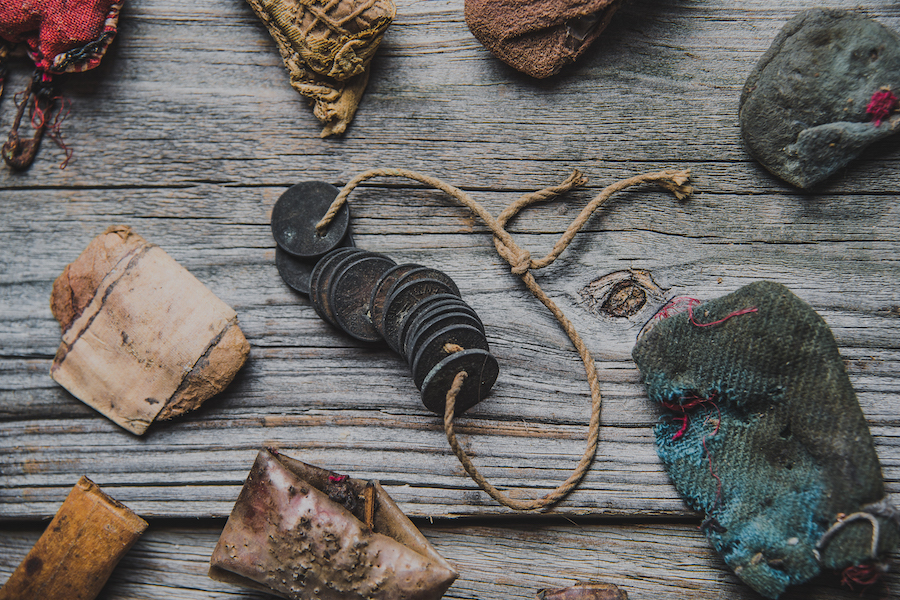
Rootwork, sometimes called conjure or hoodoo, is an African American folk tradition with deep roots in the South. It should not be confused with Vodou or Voodoo, distinct religious traditions that developed elsewhere in the African diaspora. In the Sea Islands rootwork historically combined knowledge of plants and natural remedies with spiritual beliefs, charms and rituals. Practitioners known as root doctors might be called upon for healing, protection, good fortune or to help with personal troubles. Some were also believed capable of placing or removing curses. Among the objects associated with the tradition were small packets or charms containing combinations of herbs, roots and other materials. Graveyard dirt also appears frequently in accounts of Southern rootwork, its meaning tied to the spirit and characteristics of the person buried there. Whether the power came from the ingredients, the practitioner or the believer depended on whom you asked. Few inspired more belief than Dr. Buzzard.
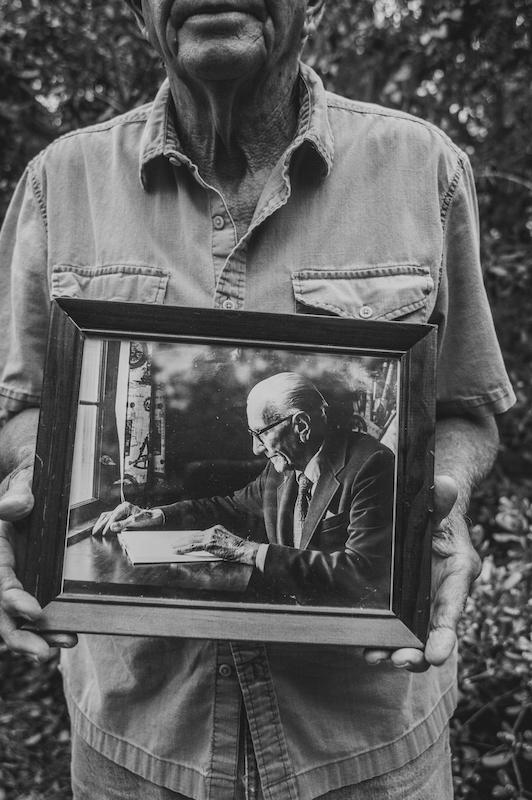
J.E. “Ed” McTeer, who famously studied rootwork while pursuing Dr. Buzzard and became known as the Lowcountry’s “white witch doctor.”
Will the real Dr. Buzzard please stand up?
Even the name carries some mystery. “Dr. Buzzard” eventually became associated with multiple root doctors, but the Lowcountry figure most famously connected to it was Stepney Robinson of St. Helena Island. Accounts describe Robinson as gentle in appearance and typically dressed in black. He became prosperous enough to own expensive automobiles at a time when car ownership itself was far from universal, and his reputation attracted clients from well beyond the Sea Islands.
Then there were the courtrooms. Robinson was known to attend trials, where legend held that he could influence witnesses and juries through a practice known as “chewing the root.” He would sit quietly in the courtroom, sometimes wearing distinctive tinted glasses, while believers wondered whether something more than the law was at work. That reputation eventually put him on a collision course with Beaufort County Sheriff J.E. McTeer.
McTeer attempted to prosecute Robinson for practicing medicine without a license. According to accounts that became part of Dr. Buzzard lore, one prosecution took a bizarre turn when a key witness began convulsing before testifying. Was it rootwork? Fear? Coincidence? McTeer apparently decided there was only one way to find out.
Fight rootwork with rootwork
Rather than dismiss the beliefs surrounding Dr. Buzzard, McTeer began studying them. The sheriff eventually became famous in his own right as a self-described “white witch doctor,” claiming that he could remove spells and counter the work of root doctors. He developed his own clientele and later chronicled his experiences in Fifty Years as a Low Country Witch Doctor. It made for an irresistible Lowcountry rivalry: the sheriff and the root doctor, each trying to beat the other at a game in which belief could be as powerful as evidence.
Stories about their strange contest grew with each retelling. One of the darkest involves the drowning of Robinson’s son. According to accounts of the legend, Robinson blamed McTeer’s supernatural meddling for the tragedy and called a truce. When Robinson eventually faced prosecution, he did something surprisingly conventional for a man supposedly capable of swaying a courtroom with a root: he hired an attorney. Robinson escaped with a relatively small fine and reportedly agreed to stop practicing medicine without a license. Conjuring, however, was another matter. His clients kept coming. And the legend kept growing.
The legend lives on
Before his death in 1947, Robinson reportedly passed his business to his son-in-law, who became known as “Buzzy.” Other practitioners would later use the Dr. Buzzard name, making it increasingly difficult to separate the original man from those who inherited his reputation. Rootwork itself never completely disappeared from the Lowcountry. In 2014, an 85-year-old Beaufort woman contacted police because she believed a neighbor had placed a curse on her. Stories like hers are increasingly rare, but they reveal how traditions carried across generations can linger long after the people who made them famous are gone. And perhaps that is the real power of Dr. Buzzard. Nearly eight decades after his death, people still tell his stories. They still debate what was history and what was legend. Most telling of all, they still speak his name. For a man whose power depended, at least in part, on belief, there may be no greater legacy.
Read More About Dr. Buzzard and Rootwork
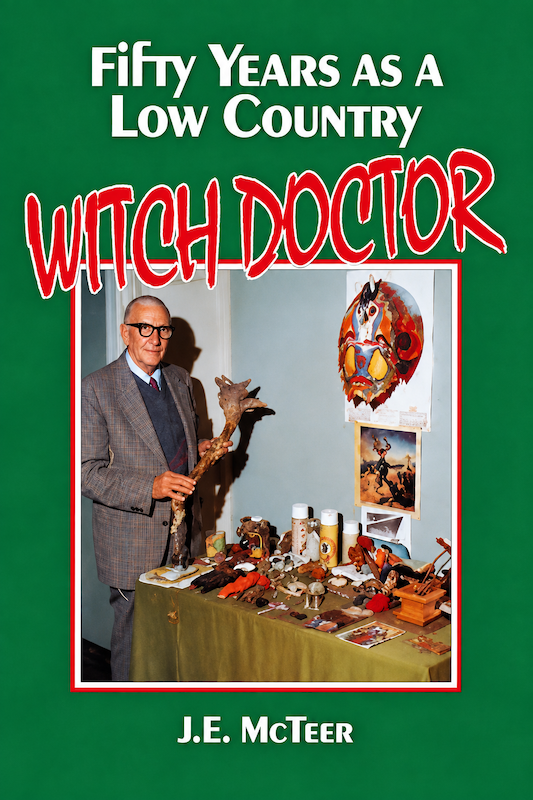
Fifty Years as a Low Country Witch Doctor
By J.E. McTeer
The Beaufort County sheriff recounts his encounters with Dr. Buzzard, root doctors and the Lowcountry world of conjure.
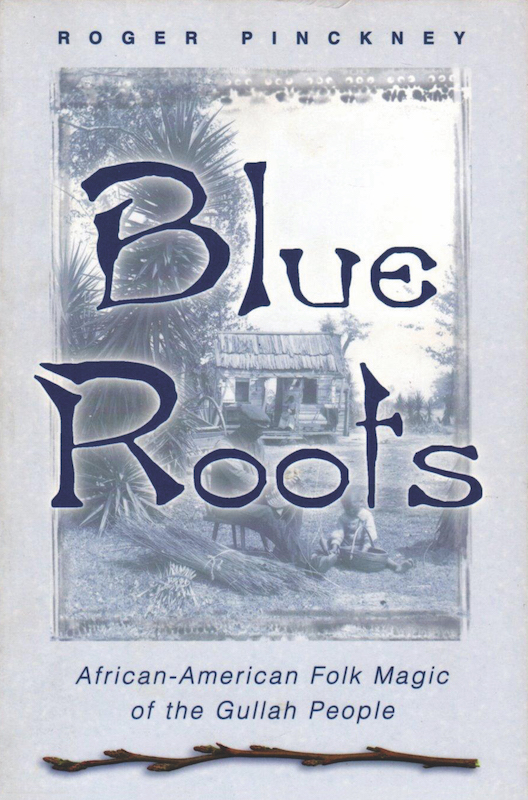
Blue Roots: African-American Folk Magic of the Gullah People
By Roger Pinckney
The Beaufort County sheriff recounts his encounters with Dr. Buzzard, root doctors and the Lowcountry world of conjure.
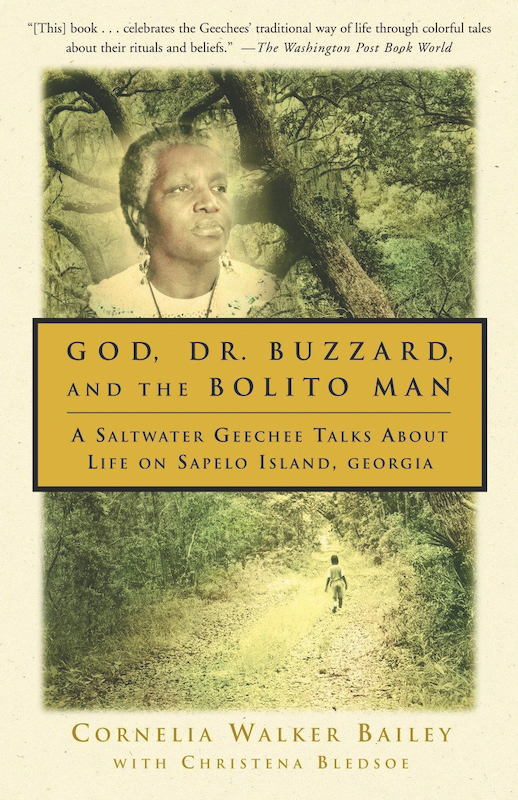
God, Dr. Buzzard and the Bolito Man
By Cornelia Walker Bailey with Christena Bledsoe
A celebrated memoir preserving the traditions, beliefs and stories of Gullah-Geechee life on Sapelo Island.
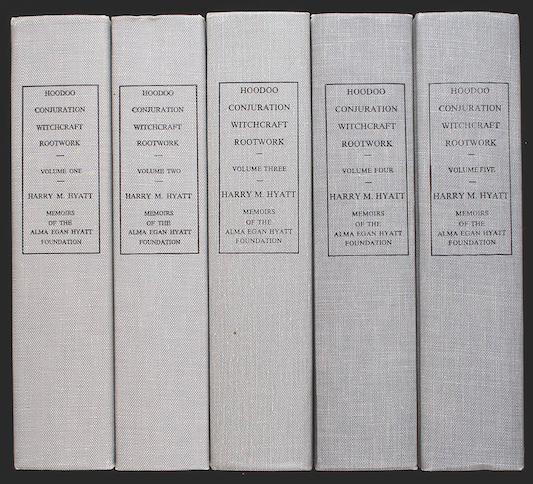
Hoodoo, Conjuration, Witchcraft, Rootwork
By Harry M. Hyatt
A landmark five-volume collection of firsthand accounts of hoodoo, conjure and rootwork across the American South.