Haint Blue, Bottle Trees and the Superstitions of the Lowcountry
The stories behind horseshoes, boo hags and other Lowcountry traditions of luck, spirits and protection.
Story by Lance Hanlin
Photography by Michael Hrizuk
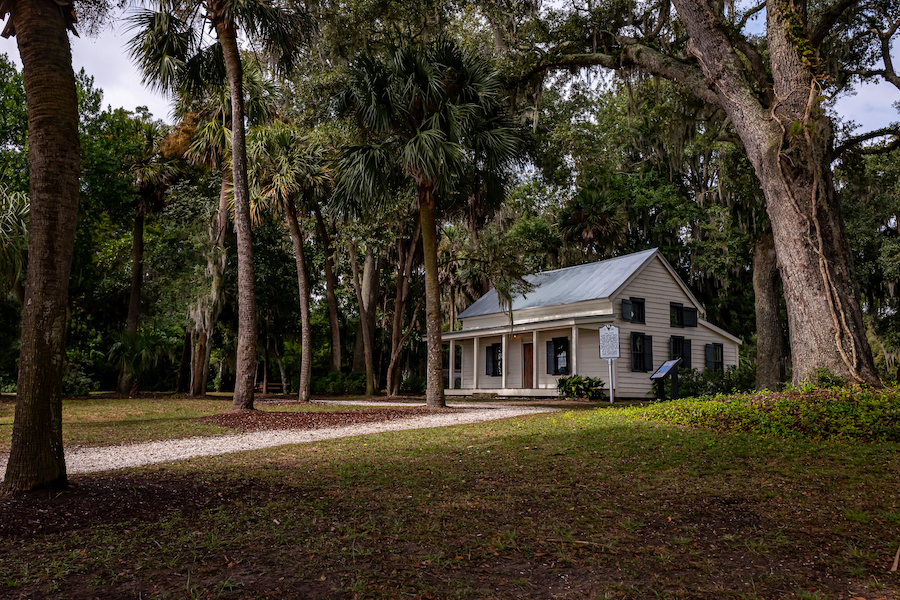
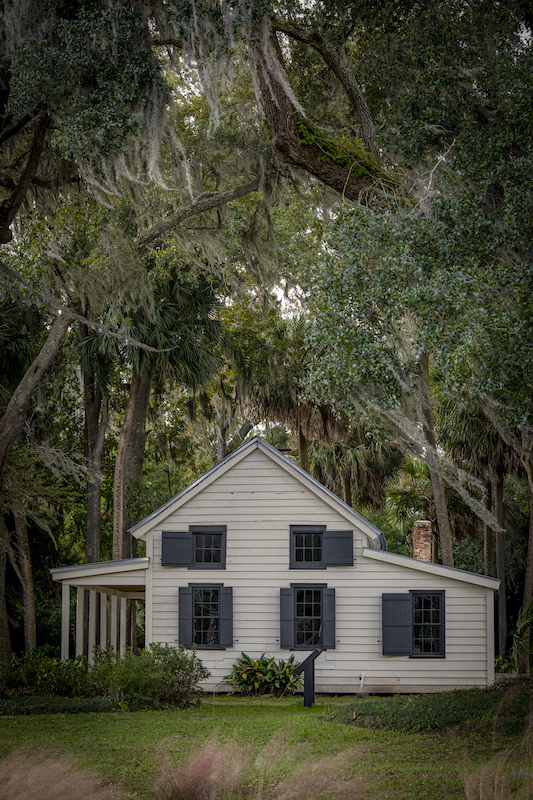
A blue bottle hangs from a live oak. A broom rests beside the house. Seashells line a windowsill and a horseshoe stands nearby. Familiar pieces of Lowcountry style, these everyday objects also have deeper connections to beliefs about spirits, luck and protection. Across generations, West and Central African traditions retained by Gullah-Geechee people blended with European and Christian folk beliefs throughout the coastal South, giving ordinary objects extraordinary meaning. The Garvin-Garvey House in Bluffton provides a fitting backdrop. Built during Reconstruction by Cyrus Garvin, believed to have been formerly enslaved, the historic home helps illustrate traditions found across the Lowcountry, though the objects photographed here should not be interpreted as evidence that the Garvin family practiced each custom.
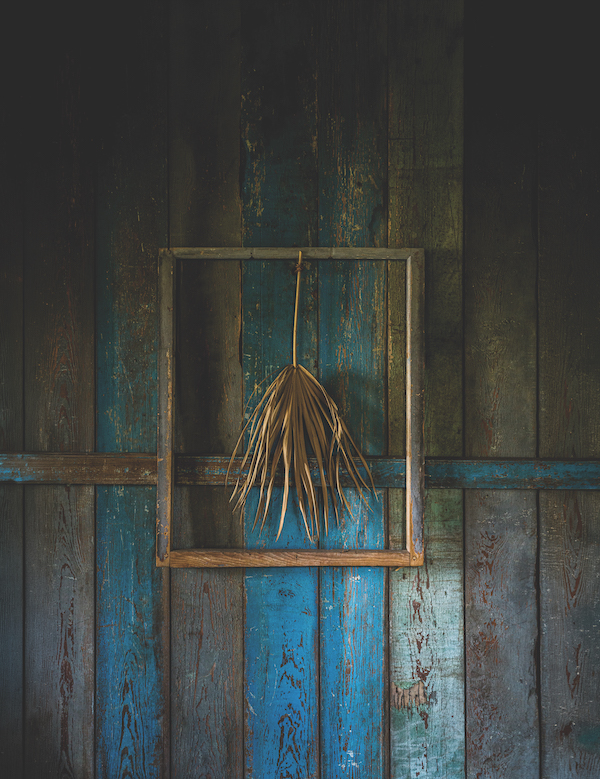
Haint Blue
Perhaps no supernatural tradition has blended more seamlessly into Lowcountry design than haint blue. The pale blue-green shade still appears on porch ceilings, doors, shutters and window frames throughout the region. The name comes from “haint,” a variation of “haunt” referring to a troublesome spirit. According to a widely repeated Gullah-Geechee tradition, haints could not cross water, so blue paint was believed to help protect a home from unwanted spirits. The history is more complicated than the popular story sometimes suggests, but the protective association of blue has deep local roots. In fact, a preservation study of the Garvin-Garvey House notes that early freedmen’s homes traditionally featured blue-painted trim and that local superstition held the color would protect the home and its occupants from malicious intent. Today, many homeowners choose the color simply because they like how it looks, perhaps unaware of the beliefs behind the blue.
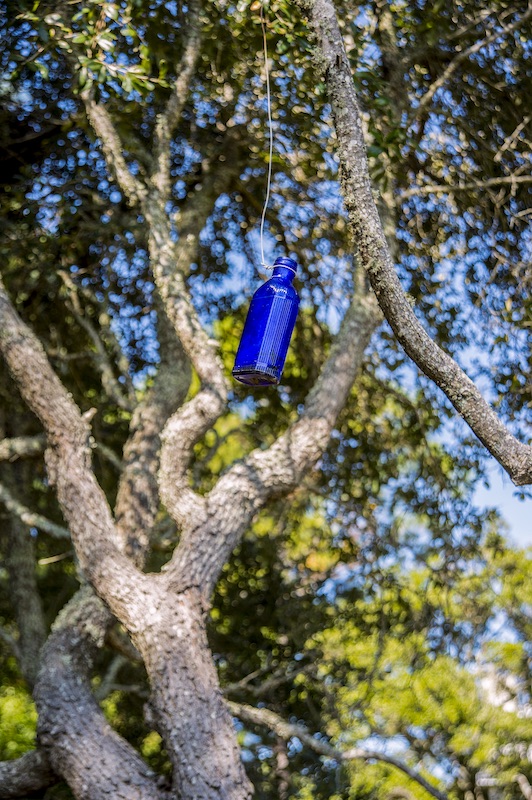
Bottle Trees
Southern bottle-tree traditions are commonly traced to West and Central African spiritual practices carried across the Atlantic by enslaved Africans. In Southern folklore, bottles could serve a protective purpose, capturing troublesome spirits before they reached a home. Wandering spirits were said to become trapped inside the bottles, unable to escape before daylight. Blue bottles became especially popular, adding another layer of protective symbolism. Bottle trees now brighten gardens throughout the South, but their significance runs deeper than garden art. The tradition is one of many reminders of African cultural influences that survived and evolved in the coastal South.
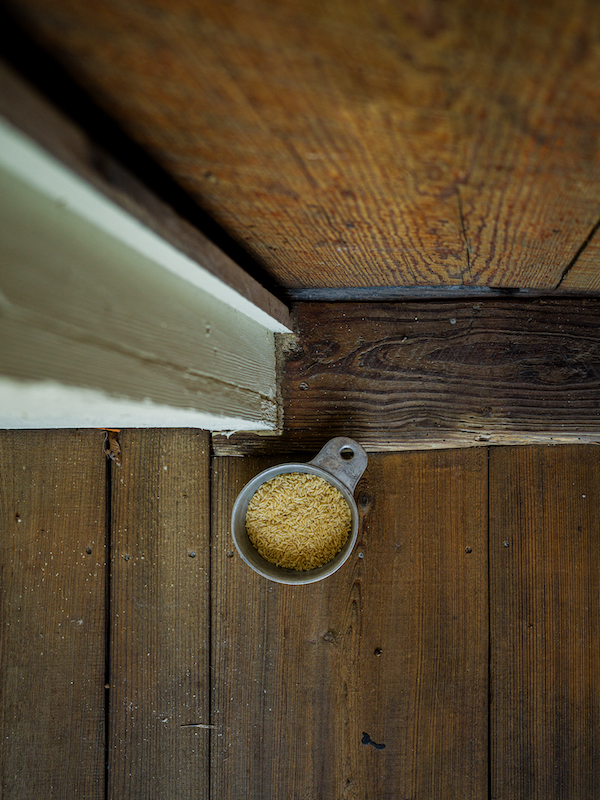
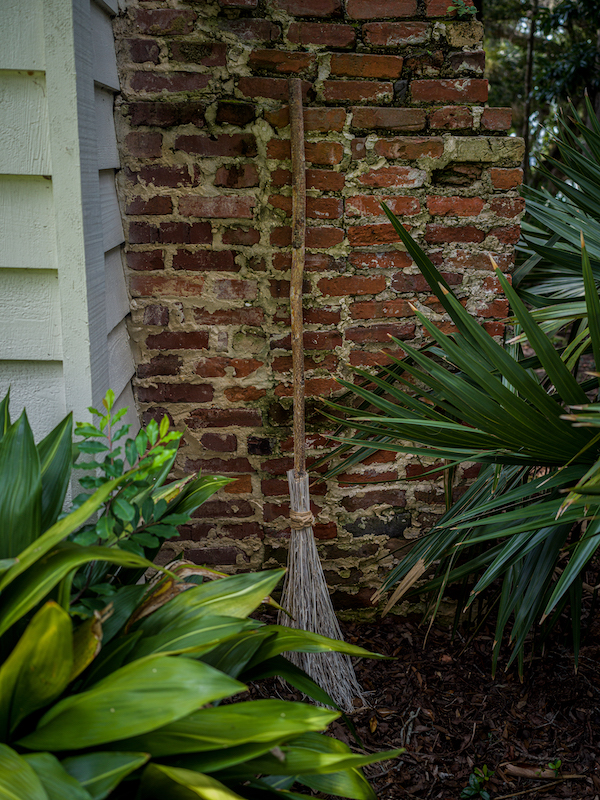
Brooms and seeds
One of the Lowcountry’s most unsettling supernatural figures is the boo hag. In Gullah-Geechee folklore, a boo hag was said to enter a home at night and “ride” a sleeping victim, stealing breath or energy and leaving the person exhausted the next morning. Fortunately, folklore gave the hag a weakness: an irresistible need to count. A broom near a doorway or bed presented hundreds of bristles to count. Rice, benne or other small seeds scattered near an entrance created an even greater challenge. The idea was to keep the hag counting until daylight forced it to flee. Not bad for an ordinary broom: clean the house by day, protect it by night.
Horseshoes
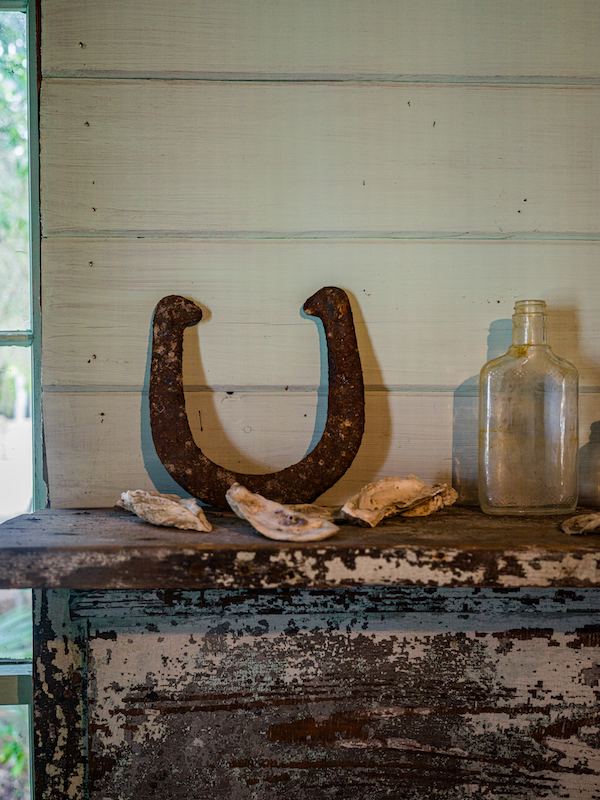
The horseshoe comes from a somewhat different branch of Southern folklore. European traditions long associated iron with protection against witches and harmful spirits, and horseshoes eventually became familiar good-luck charms throughout the South. Those beliefs existed alongside African American folk traditions in which iron also could carry spiritual significance. Over generations, traditions from different cultures mingled and changed, making it difficult to assign every Southern superstition to a single origin. Even the proper way to hang a horseshoe remains a matter of debate. One tradition points the ends upward to hold the luck inside. Another points them downward so good fortune falls upon those passing beneath.
Shells
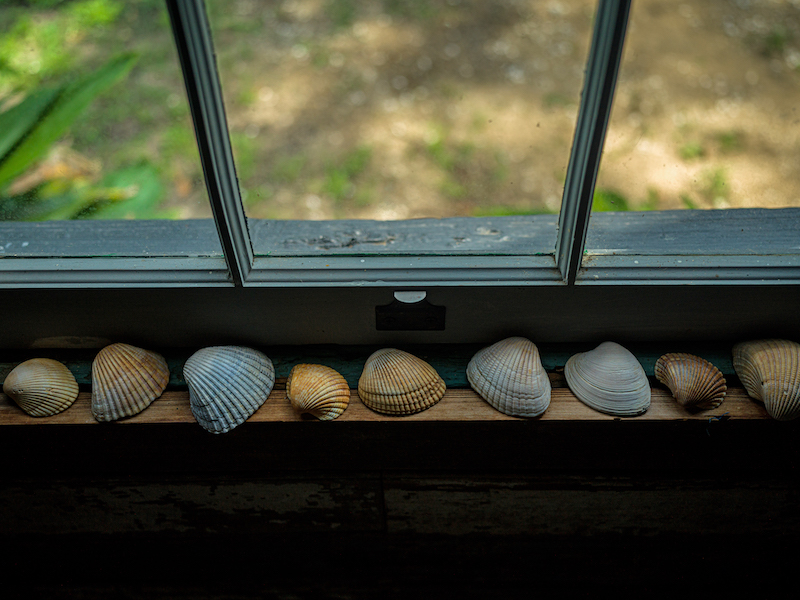
Shells carry deep symbolism in Gullah-Geechee and African American traditions of the coastal South, particularly in burial customs, where they have been associated with water, ancestors and the passage between worlds. Their spiritual use is best documented on graves. Their symbolism reflects the powerful connection between water, memory and the spirit world.
The Deeper Meaning Behind Lowcountry Superstitions
Taken individually, these customs can seem like colorful superstitions. Together they reveal something deeper. Again and again, protection centers on the home. The house was more than shelter. It was a space to protect from dangers both seen and unseen. For Gullah-Geechee communities, some of these traditions also reflect the preservation and transformation of African cultural knowledge under slavery and afterward. Geographic isolation and strong community ties helped preserve African influences in language, spirituality, storytelling, foodways and other traditions throughout the coastal Lowcountry. Some practices faded. Others became folklore. And some became so thoroughly woven into Southern life that their original meanings are easy to overlook. That haint blue may simply be beautiful now. The bottles hanging from a tree may be garden art and the horseshoe may mean good luck.
But look a little closer, and they tell older stories about water and spirits, Africa and America, and generations of Lowcountry families finding ways to keep whatever might be wandering outside from coming in.