Easy-to-Grow Asian Herbs For Your Kitchen
Eight low-maintenance herbs to grow and cook for Asian cuisine at home.
Story by Michele Roldán-Shaw
If you love dining out for Asian cuisine but don’t think you could ever duplicate those exotic flavors at home, think again. Many of the signature herbs that make Asian dishes so fresh and exciting can be grown right here in the Lowcountry. Armed with a few good cookbooks, you’ll soon be turning out fantastic curries, stir-fries, summer rolls and other dishes you once left to the professionals.
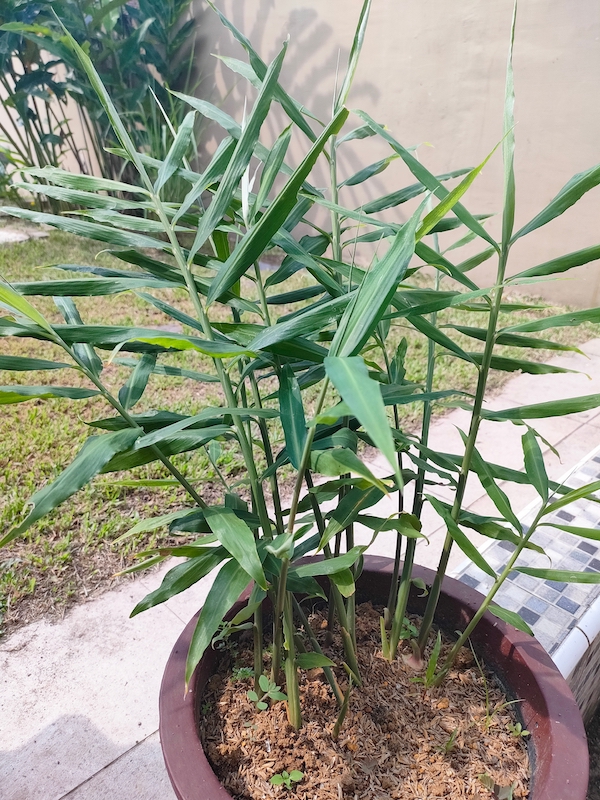
Ginger
Love it: The spicy bite of ginger is beloved across Asia and well known in the West. Beyond its bold flavor, it is a potent immune booster, digestive aid and all-around vitality herb.
Grow it: Ginger loves heat but needs protection from harsh midday sun. It’s a heavy feeder and prefers consistent moisture but otherwise requires little care. You can sometimes sprout organic ginger from the grocery store, but it’s even easier to buy live rhizomes and plant them after the last frost. When the greens die back in late fall, harvest by pulling off knobs of new growth, then replant the “mother” rhizome in a pot for next year.
Use it: Peel and mince ginger for stir-fries, add bruised slices to broths, grate it into marinades and salad dressings, juice it, or brew it into tea.
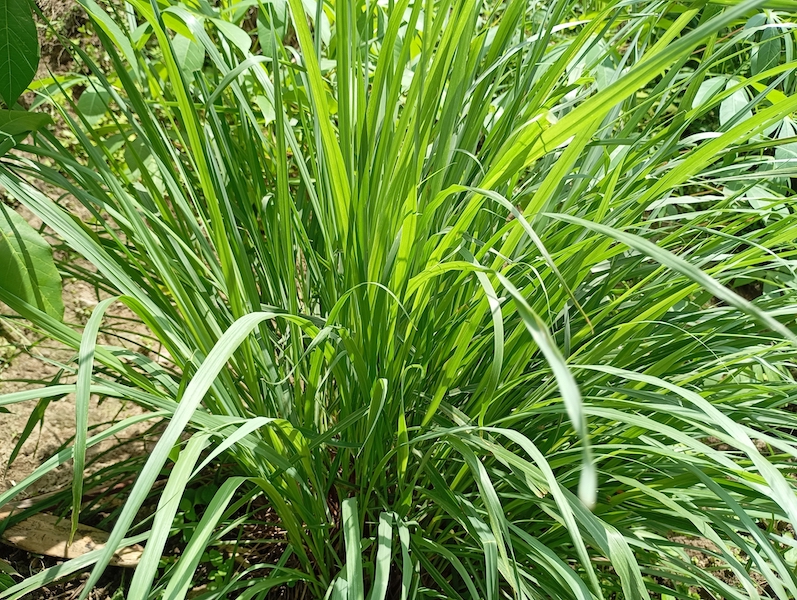
Lemongrass
Love it: The bright, fresh flavor of lemongrass features prominently in Thai, Vietnamese, Indonesian, Lao, Cambodian and Malaysian cuisines. Stalks are simmered in curries and soups, while minced lemongrass is pounded into spice pastes, stirred into fresh sambals, or sprinkled over finished dishes.
Grow it: This fragrant Asian staple is a grass — and it grows like one. Plant it in a patch of barren sand, do very little, and watch it thrive. Lemongrass needs full sun and will die back in a freeze, but unlike many other tropical plants on this list, it will sprout again the following year.
Use it: Only the tender, whitish-purple heart of the stalk is eaten. Bruise it first with the back of your knife to release the oils before mincing. The fibrous outer layers can be used to make a fragrant, healthful tea. Whole lemongrass simmered in soups and sauces should be strained out.
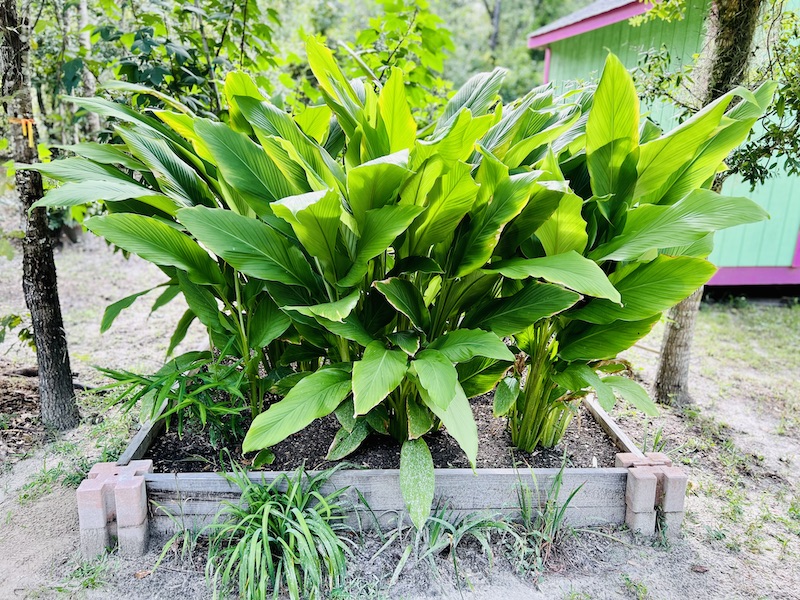
Turmeric
Love it: The sunshiny orange color, earthy flavor and potent medicinal qualities of turmeric make this one worth growing yourself. A few plants
will yield a generous harvest of fresh rhizomes, which can be stored in the refrigerator for a few weeks or sliced and frozen for year-round use.
Grow it: Turmeric care and harvesting are similar to ginger, except turmeric prefers full sun.
Use it: Pound fresh turmeric into spice pastes, or use it to make health tonics such as Indian golden milk and the Indonesian elixir jamu.
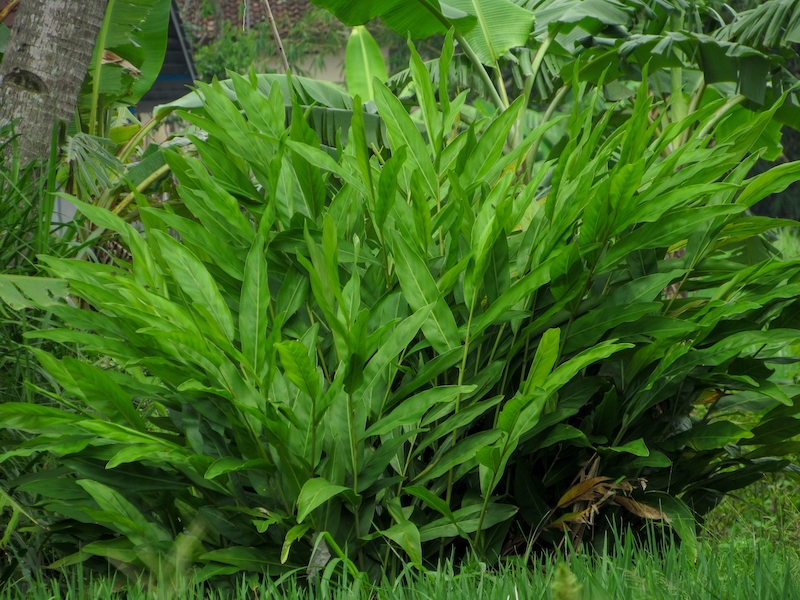
Galangal
Love it: The piney, peppery, citrusy, floral aroma of galangal has no substitute. It loses nearly all its flavor when dried, so growing your own will take your Southeast Asian cooking to the next level.
Grow it: Galangal care is similar to turmeric, though harvesting can be more challenging because the rhizomes are tougher and woodier.
Use it: Pound into spice pastes or add bruised slices as aromatics in broths.
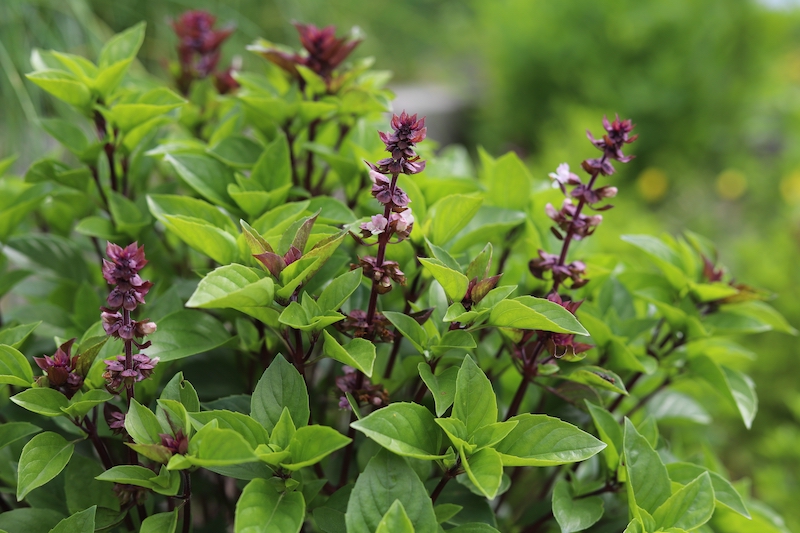
Thai basil and lemon basil
Love it: The anise flavor of Thai basil and the citrus notes of lemon basil set them apart from their Italian cousin.
Grow it: Plant these as you would any other annual herb. They require full sun and minimal care.
Use it: Fresh leaves shine in soups, curries, salads and summer rolls.
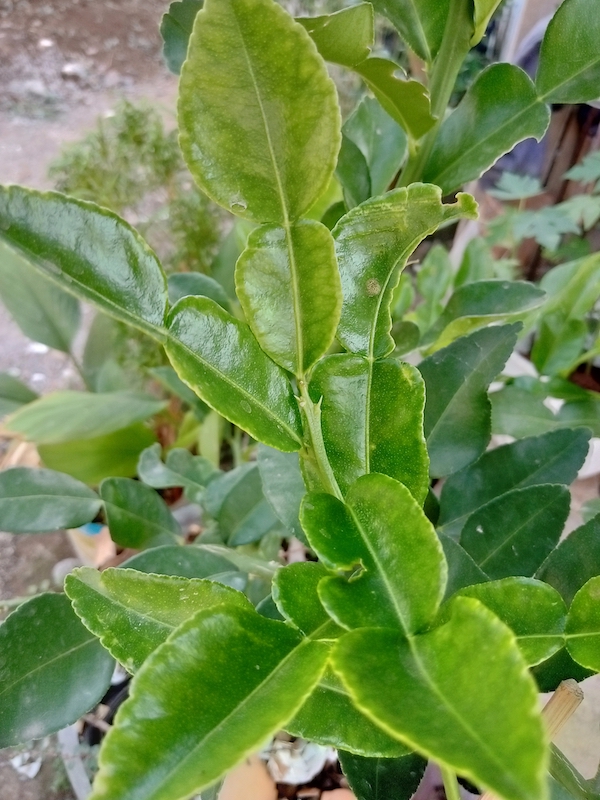
Kaffir lime
Love it: The leaves of this tree have a bright, citrusy, floral, slightly pungent perfume-like quality that makes them an essential aromatic in Southeast Asian cuisine. They add that elusive “something” that makes a dish feel truly authentic.
Grow it: Kaffir lime trees are not cold tolerant and are best grown in a greenhouse or in containers that can be brought indoors during winter.
Use it: De-vein the leaves before finely shredding, then grind into spice pastes, or sprinkle over finished dishes. Whole leaves used in soups and sauces are removed before serving.
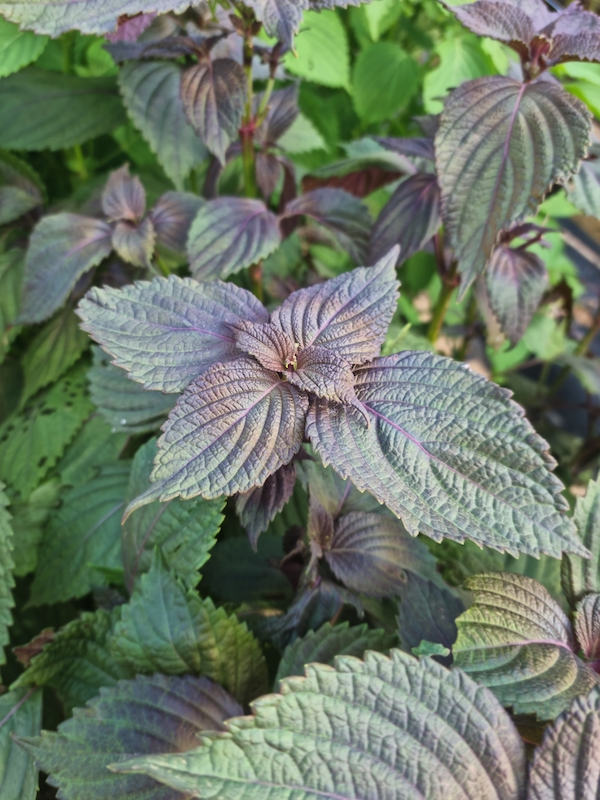
Shiso (perilla)
Love it: Beloved in Japanese and Korean food cultures, shiso has a complex flavor that’s difficult to describe and best experienced firsthand.
Grow it: This leafy herb is easily grown as an annual and comes in green, purple and two-toned varieties.
Use it: Tear fresh leaves into sushi, summer rolls and noodle bowls alongside other bright herbs like mint and cilantro. Shiso can also be dried for medicinal tea.
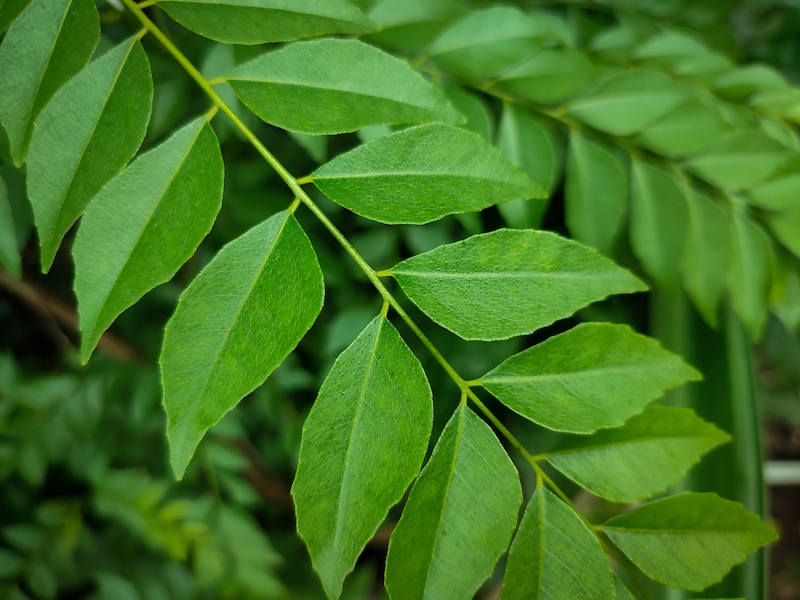
Curry leaf
Love it: Curry leaves lend an earthy, herbaceous depth to Indian, Sri Lankan, Malaysian and Burmese cuisines. Not to be confused with curry powder or curry pastes, curry leaves come from the shrub Murraya koenigii.
Grow it: Curry plants need full sun and heat. They are not cold tolerant and must be brought indoors during winter.
Use it: Simmer curry leaves in sauces, or sizzle them in oil with other spices to make tarka, the finishing touch for dishes like dal (Indian lentils).
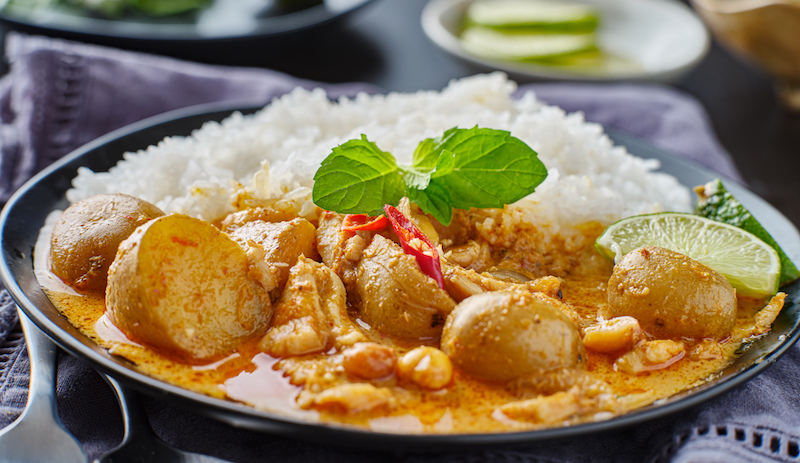
Favorite Asian dishes with fresh herbs
- Phở: Thai basil, cilantro, sawtooth
- Chana masala: Ginger, curry leaves
- Pad Thai: Scallions, garlic chives, chili peppers
- Lemongrass chicken: Lemongrass, garlic
- Tom kha gai: Lemongrass, galangal, kaffir lime
- Beef rendang: Lemongrass, galangal, kaffir lime, turmeric leaf Larb: Mint, cilantro, Thai basil, chili peppers
- Massaman curry: Lemongrass, shallots, galangal