Gay Fish Company: A St. Helena Island Shrimping Tradition Since 1948
For more than 75 years, Gay Fish Company has kept a Lowcountry shrimping tradition alive
Photography by Michael Hrizuk
More Than 75 Years of Lowcountry Shrimping History
Some places don’t simply sell local seafood. They are part of its story. Since 1948, Gay Fish Company has been one of them. Founded on St. Helena Island by World War II veteran John H. “Buster” Gay and his wife, Hilda, the family-owned business grew from a working shrimp dock into a Lowcountry institution, with generations of the Gay family hauling, heading and selling the local catch. Its story reaches far beyond the dock. The family helped give Frogmore Stew its name and supplied 6,125 pounds of shrimp for the famous shrimping scenes in Forrest Gump. Today the business remains in the family, carrying on a tradition rooted in fresh seafood, hard work and the waters surrounding St. Helena Island.
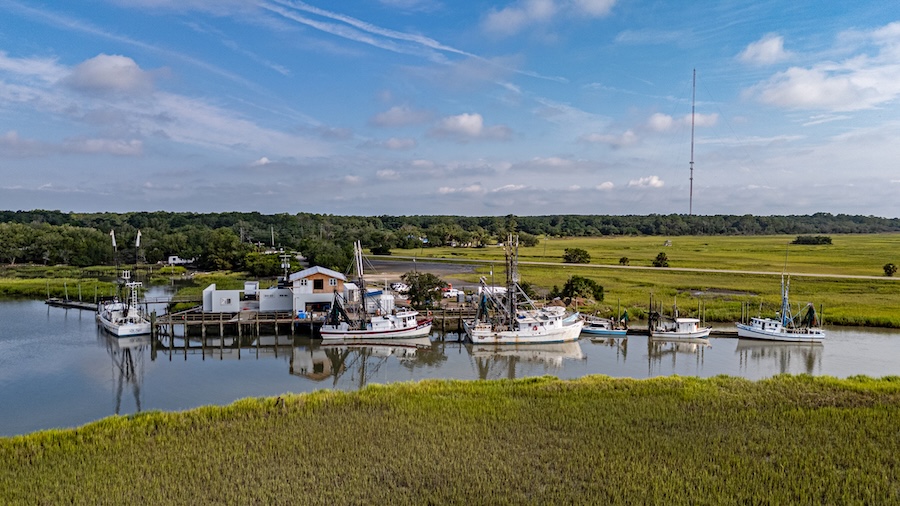
A Working Waterfront on St. Helena Island
Surrounded by St. Helena Island marshes, Gay Fish Company has served local shrimpers since 1948. A must-stop for shrimp lovers traveling to Hunting Island or Fripp Island, the historic market offers a true taste of the Lowcountry, fresh from the dock.
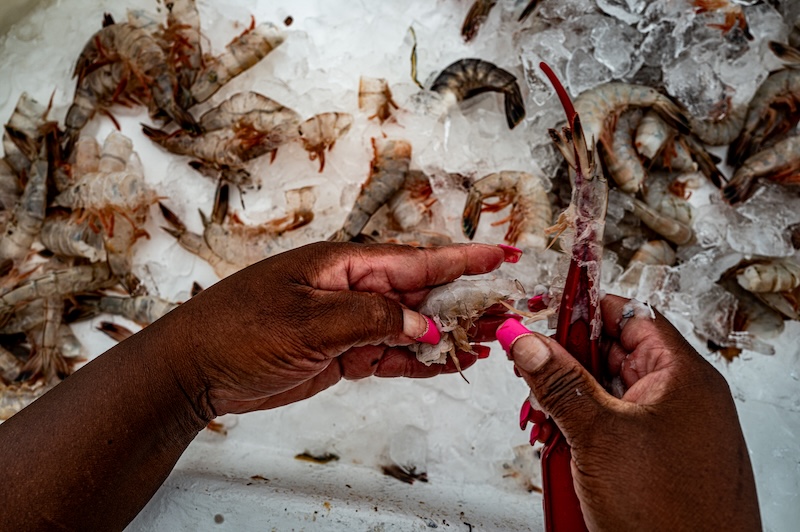
Fresh Local Shrimp, Headed by Hand
Fresh local shrimp are headed by hand, a generations-old tradition. The day’s catch is washed, headed and sold fresh and preservative-free.
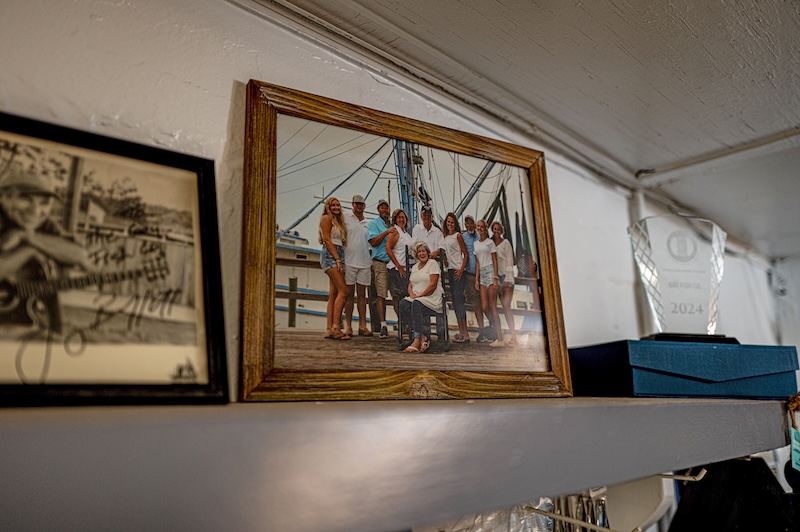
Generations of the Gay Family
A photograph of generations of the Gay family celebrates the people behind the St. Helena Island institution. Nearby, a personalized note and photo from Jimmy Buffett add to the market’s colorful history.
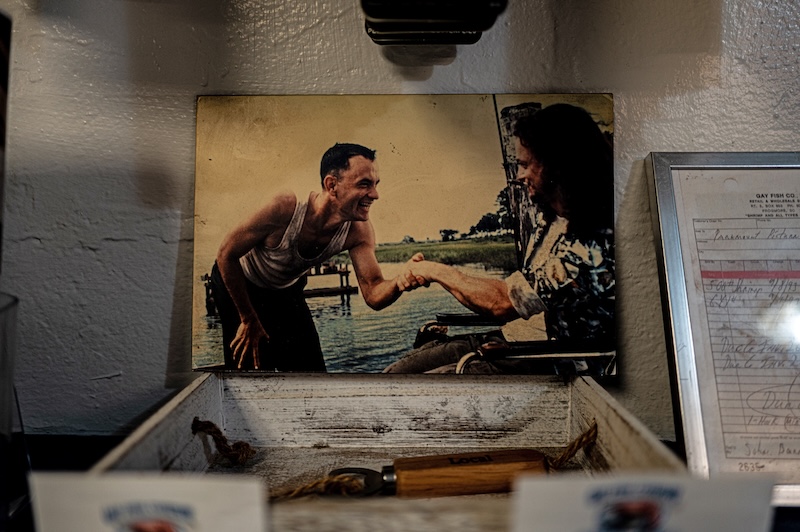
Gay Fish Company’s Connection to Forrest Gump
Gay Fish Company played an important role in Forrest Gump, supplying Paramount Pictures with 6,125 pounds of shrimp for the film’s famous shrimping scenes. The original 1993 receipts and this photograph of Tom Hanks and Gary Sinise hang proudly inside the market.
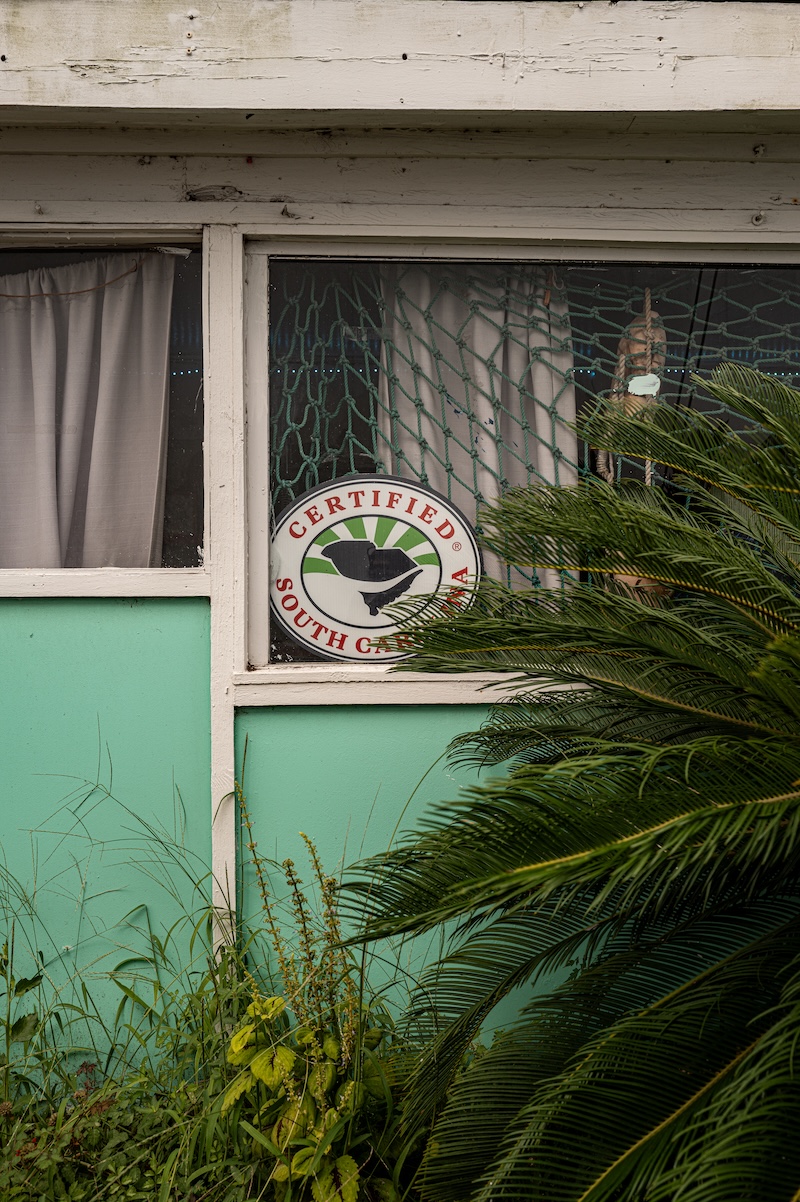
Supporting South Carolina’s Local Shrimpers
A Certified South Carolina sign hangs in the window, reflecting a commitment that has defined the business since 1948: supporting local shrimpers and keeping fresh, wild-caught seafood close to home.