Cooking with Edible Flowers: A Beginner’s Guide
Use edible flowers to add a touch of magic to everyday meals
Remember sneaking a flower off the playground as a kid and popping it in your mouth? It may feel a little unusual as an adult, but edible flowers prove that playing with your food can still be delicious, beautiful and surprisingly versatile. Hardee Greens, celebrated locally for its vibrant microgreens, also cultivates an array of edible blooms that bring color, flavor and flair to the plate. We spoke with Jennifer Harsta, CEO of Hardee Greens, about how these flowers elevate both everyday meals and special occasions.
“The chefs we work with choose ingredients not just for flavor, but for visual impact,” Harsta says. “We grow flowers for signature wedding cocktails, dessert garnishes, wedding cakes and more. Flowers are wonderful in salad mixes, too. They bring so many different flavor profiles.”
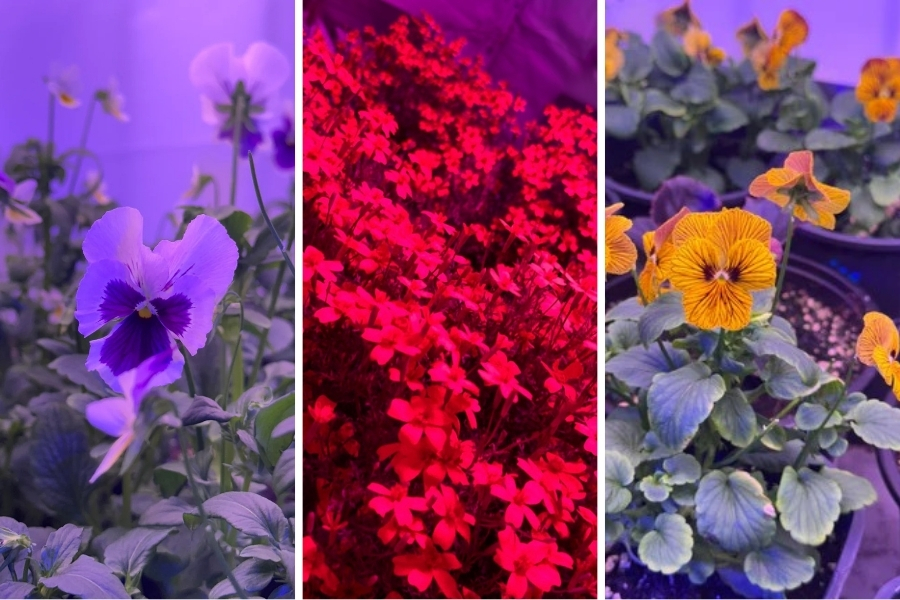
Favorites at Hardee Greens include borage, marigolds, gem marigolds and violas, all grown in a rotating palette of seasonal colors. “Each flower has its own personality,” Harsta explains. “Some are spicy, some citrusy, some slightly bitter. You can sprinkle petals or use the entire bloom. It’s all edible.”
Edible flowers enhance both sweet and savory dishes with ease. Scatter them over cakes, petit fours and tarts, float them in champagne or iced tea, or freeze them into floral ice cubes for a striking presentation. “Violas, for example, are very nutrient-dense,” Harsta notes. “They contain vitamins A and C, antioxidants and anti-inflammatory benefits.”
From grazing boards and layered cakes to composed salads and plated entrées, edible flowers add color, texture and sophistication. “Our community shops with us not just for beauty, but for the health benefits,” Harsta says. “It’s rewarding to see people embrace the diversity and creativity flowers bring to their cooking.” Available in assorted colors and varieties, these blooms make it easy to brighten a plate, impress guests and add a touch of magic to everyday meals.
Flower power
Chefs use edible flowers to add color, texture and subtle flavor to dishes across the menu. Think beyond petals. Nasturtium, calendula and bachelor’s button brighten salads. Marigold, dianthus and viola elevate desserts. Mint, basil and borage add aroma to drinks, while rosemary, thyme and sage blossoms enhance savory plates. Let creativity lead the way. Below is a quick guide to edible blooms, their flavor profiles and the best ways to use them.
Fruit & vegetable blooms
Arugula: Nutty. Add to salads, savory dishes or as a garnish.
Fava bean: Mild bean flavor. Use as garnish or in sweet and savory dishes.
Mustard: Spicy. Add to salads and soups for a peppery kick.
Pea: Mild pea flavor. Mix into salads or use to garnish desserts.
Strawberry: Mild strawberry flavor. Sprinkle petals on salads or desserts; use whole flowers as garnish.
Herb blooms
Anise hyssop: Sweet anise and mint. Use flowers and leaves in drinks, teas, desserts or marinades.
Basil: Intense basil flavor. Substitute for basil leaves in any dish.
Borage: Mild cucumber flavor. Add to salads, drinks or freeze in ice cubes.
Chives/garlic chives: Mild, sweet onion. Sprinkle florets on salads, dips, soups and potatoes.
Cilantro/coriander: Mild cilantro flavor. Use raw on salads, chicken or Southwestern dishes.
Dill: Classic dill flavor. Garnish salads and fish; add umbels to pickles.
Fennel: Sweet anise. Use florets with fish, eggs, potatoes, tomatoes and beets.
Lavender: Sweet and fragrant. Use sparingly in desserts, baked goods and teas.
Mexican mint marigold: Sweet licorice flavor. Sprinkle on desserts or use as garnish.
Mint: Fresh and cooling. Garnish salads, desserts and drinks.
Sage: Mild sage flavor. Batter and fry flower spikes or use blooms as garnish.
Flower blooms
Bachelor’s button: Mild and sweet. Sprinkle on salads and desserts.
Calendula: Tangy and slightly bitter. Use petals in soups, rice dishes, baked goods and salads.
Dianthus: Mild, clove-like. Garnish salads, desserts and cakes.
Hyacinth bean: Mild and sweet. Eat raw or steamed; use as garnish.
Marigold: Spicy and citrusy. Use petals in salads or as garnish.
Gem marigold: Spicy and citrusy. Both leaves and flowers are edible.
Monarda: Spicy and minty. Sprinkle over desserts, fish or fruit salads.
Nasturtium: Peppery. Use leaves, pods and flowers in salads or stuff blooms with soft cheese.
Scarlet runner bean: Bean-like flavor. Garnish salads, soups and desserts.
Snapdragon: Bitter and floral. Use sparingly as a garnish.
Stock: Clove-like and peppery. Garnish salads, desserts and drinks.
Sunflower: Bittersweet. Fry buds or use petals as garnish.
Viola: Wintergreen flavor. Garnish salads, desserts and hors d’oeuvres.
Frequently Asked Questions About Edible Flowers
Are all flowers edible?
No. Only specific varieties are safe to eat. Always confirm a flower is culinary-grade and grown without pesticides.
What do edible flowers taste like?
Flavor varies by variety. Nasturtiums are peppery, marigolds are citrusy, borage tastes like cucumber and violas are mildly sweet.
How do you use edible flowers in cooking?
Edible flowers can garnish salads, decorate cakes, infuse cocktails, freeze into ice cubes or add flavor to savory dishes.
Can you cook edible flowers?
Yes. Some flowers can be sautéed, battered and fried or added to soups and rice dishes. Others are best used raw.
Where can I buy edible flowers?
Many farmers markets and specialty growers, such as Hardee Greens, offer culinary-grade edible flowers.