How to Cook High-Moisture Vegetables Without Getting Soggy
Ask the chef
Spring vegetables are fresh and vibrant, but many contain high amounts of water. Without the right technique, zucchini, asparagus, peas and mushrooms can quickly turn stir-fries and pasta dishes soggy. Chef Will Overacre of Michael Anthony’s Cucina Italiana shares how to manage moisture so vegetables stay crisp, colorful and full of flavor.
Question
Dear Chef,
How do you handle high-moisture vegetables? My favorite spring ingredients seem to make my stir-fries and pastas soggy or mushy. Any tips?
— Waterlogged in Windmill Harbour
Answer
Dear Waterlogged,
Chef Will Overacre of Michael Anthony’s Cucina Italiana says the secret is strategy before the vegetables ever hit the pan.
“High-moisture vegetables need a little planning,” he said. “Blanch, shock and then cook fast over high heat. That’s the foundation.”
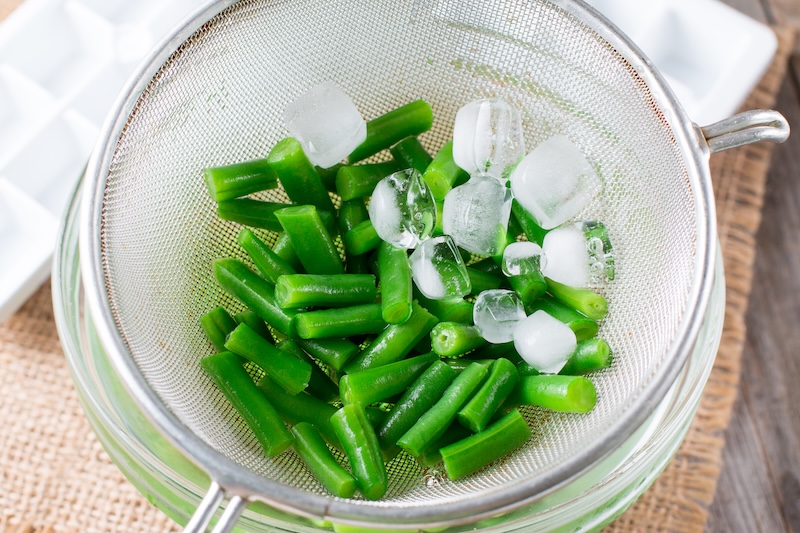
Overacre explains that briefly blanching vegetables like asparagus, green beans and peas helps set their color and structure, while an ice bath stops the cooking process so they don’t soften too early.
For vegetables with even more water content, such as zucchini, squash and mushrooms, he recommends an extra step. “I’ll often roast them first to cook out some of that moisture,” he said. Once excess water is removed, they’re far less likely to turn a stir-fry or pasta dish soggy.
The final piece is confidence at the stove. Hot pans, quick cooking and restraint matter. Let vegetables caramelize instead of steam, and they’ll stay vibrant, structured and full of flavor.
The takeaway? Prep with intention. Use high heat. Don’t overcrowd the pan. When moisture is managed, spring vegetables shine exactly the way they’re meant to.
Frequently Asked Questions About Cooking High-Moisture Vegetables
Why does my stir-fry turn watery?
Overcrowding the pan and cooking vegetables with high water content at low heat causes them to steam instead of sear.
What vegetables have high moisture content?
Zucchini, squash, mushrooms, tomatoes, asparagus and green beans all release significant moisture when cooked.
What does blanch and shock mean?
Blanching briefly cooks vegetables in boiling water, and shocking them in ice water stops the cooking process to preserve color and texture.
How do you keep zucchini from getting mushy?
Roast zucchini first to remove excess moisture, then cook quickly over high heat without overcrowding the pan.
Should you salt vegetables before cooking?
Salting can help draw out excess moisture, especially with zucchini and eggplant, but timing matters to prevent over-softening.