Indoor Seed-Starting Tips For Spring Gardening
How owner of Helena Hills Farm Chrissy Mozeleski starts seeds indoors for a successful growing season
Story by Chrissy Mozeleski
Spring is the perfect season to try growing something from seed. Whether you’re dreaming of fresh tomatoes, armfuls of flowers or simply curious to see what you can grow, seed starting is one of the most rewarding ways to begin a home garden. The trick is choosing plants that sprout easily and grow with minimal fuss, giving you quick confidence and visible success.
Start with easy sprouters
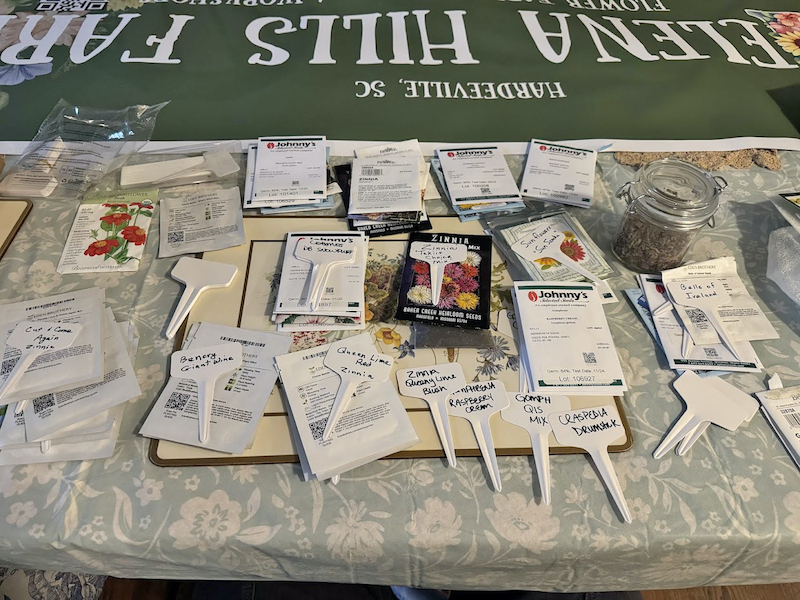
If you’re new to seed starting, focus on varieties that germinate quickly and tolerate a few beginner mistakes. Cherry tomatoes are a classic favorite. Their seeds sprout reliably, the plants grow vigorously, and they produce generously in garden beds, raised beds or containers. Basil is another great choice. It’s fast-growing, fragrant and forgiving. Even one pot can provide weeks of fresh leaves. For flowers, zinnias are hard to beat. They sprout in just a few days and bloom nonstop through summer, making them perfect for cutting and sharing. Sunflowers are especially fun for families and first-time gardeners. Their large seeds are easy to handle, and watching them grow is part of the joy. Dwarf varieties work well in small spaces, while taller types add drama to the garden.
Simple setup makes a big difference
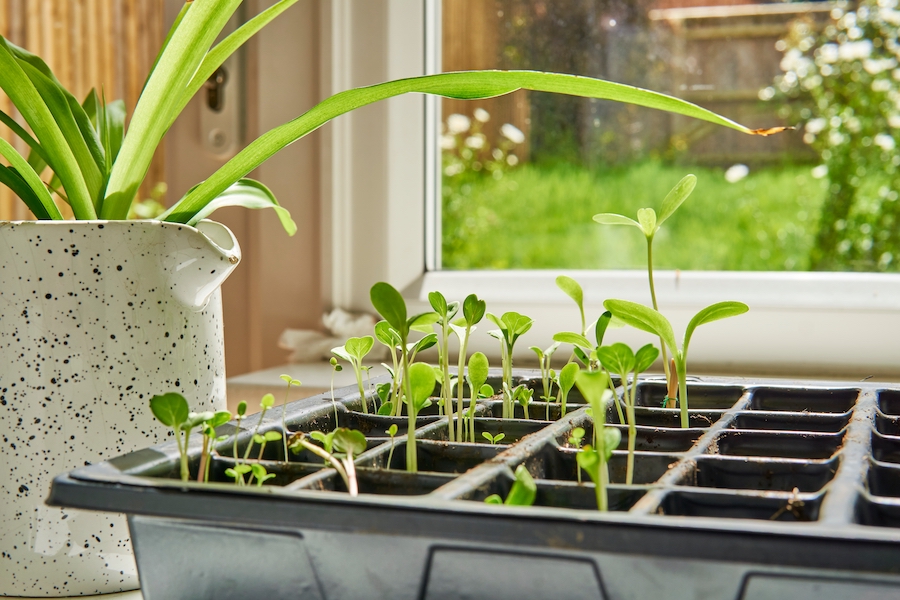
You don’t need a greenhouse to start seeds at home. Small pots, seed trays or recycled containers with drainage holes all work well when filled with a light potting mix. Place them in a warm, sunny window, ideally south-facing, and keep the soil evenly moist. One helpful trick is bottom watering. Instead of watering from the top, place pots in a shallow tray of water and allow moisture to soak up from below. This encourages strong root growth and helps prevent seeds from washing away.
Don’t skip hardening off
Before moving seedlings outdoors, they need time to adjust. This process, called hardening off, means gradually exposing plants to outdoor conditions over seven to 10 days. Start with a few hours in a sheltered, shady spot, and slowly increase sun and wind exposure. Skipping this step can lead to transplant shock, while taking the time results in stronger, healthier plants.
What to plant now vs. later
Here in the Lowcountry we garden in Zone 9a, with an average last frost in mid-March. At the farm we start cool-season annuals like snapdragons, larkspur, stock and sweet peas early for spring blooms that can be planted out before the last frost. As temperatures warm, we shift to warm-season favorites such as zinnias, sunflowers, cosmos and basil, which carry us into early summer harvests.
Gardening without a fence
If deer are part of your landscape, you’re not alone. One surprisingly effective solution is a motion-activated sprinkler. We use a Scarecrow-style device that sends out a quick burst of water when movement is detected. It’s humane, effective and works well. Just be sure to warn your neighbors so they don’t get an unexpected splash. Rotating deterrents and changing routines can also help keep curious visitors guessing.
Seed-starting supply list
You don’t need much to get started. A simple setup goes a long way.
- Seeds (easy starters like cherry tomatoes, basil, zinnias and sunflowers)
- Seed trays, small pots or recycled containers with drainage holes
- Lightweight potting or seed-starting mix
- Shallow tray or dish for bottom watering
- Plant labels or masking tape and a marker • Sunny window or bright indoor space
- Watering can or spray bottle