5 Mistakes Homeowners Make When Moving South
Relocating to the South comes with sunshine, storms and a whole new approach to outdoor living. A Lowcountry hardscape expert explains common mistakes new homeowners make and how to avoid them.
Story By LL Partner Studio + Photography Provided By Savannah Hardscapes
Between year-round sunshine, signature hospitality and enough barbecue to go around, life in the South has a way of drawing people in. It’s no surprise that after years of snow shovels, icy driveways and gray winters, so many newcomers head to the Lowcountry in search of warmer days and a slower pace. But coastal living comes with its own learning curve. Here, hurricane season, humidity, salt air and intense summer heat can quickly expose homes that weren’t designed for the climate. To help new residents settle in successfully, Savannah Hardscapes sales manager Grant Cook shares five common outdoor living mistakes homeowners make and how to avoid them.
1. Choosing materials that trap heat
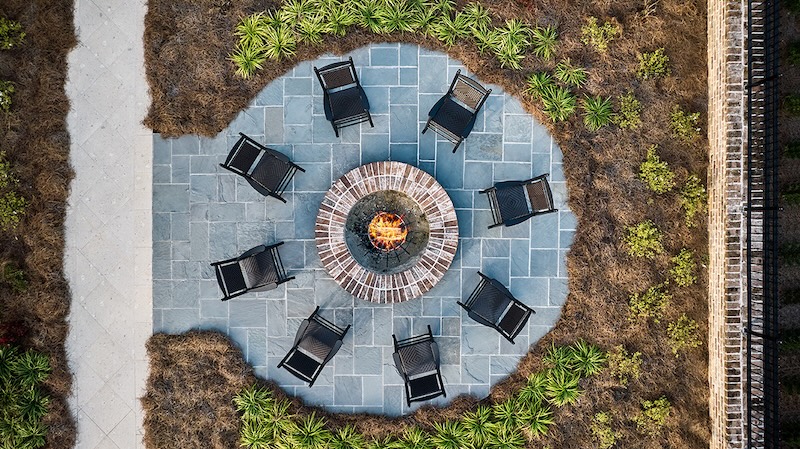
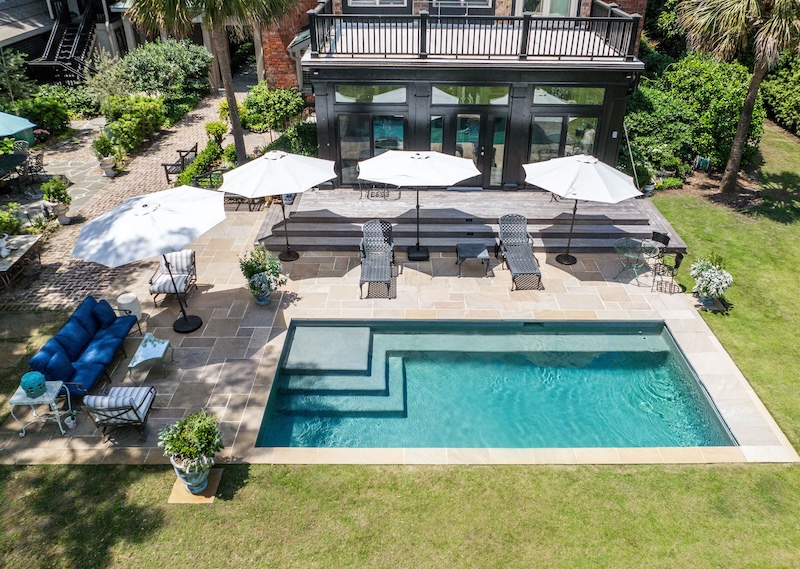
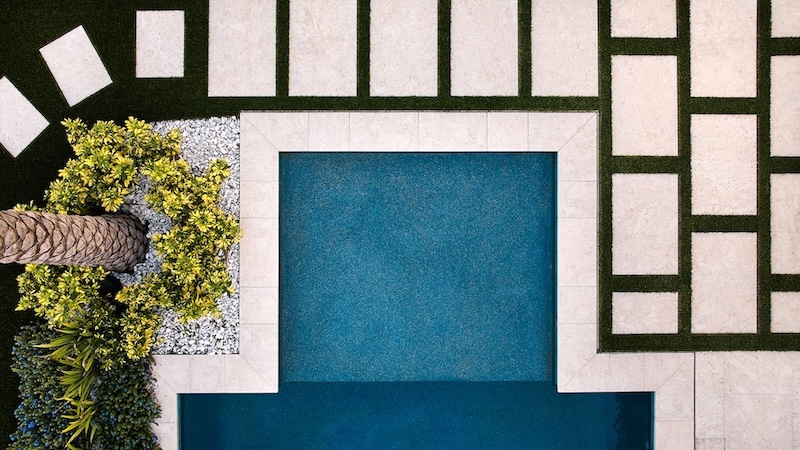
Tiles, pavers and hard surfaces lay the foundation for an outdoor space, but some materials that work well in cooler climates struggle under the Southern sun. “Up north, bluestone is great for a patio or pool deck, but down here, not so much,” Cook says. Materials like bluestone, flagstone and certain types of concrete absorb and retain heat quickly, making them uncomfortable during the peak of summer. Instead, Cook recommends heat-resistant materials like travertine and limestone for pool decks, patios and other paved spaces. “They look beautiful, and your feet won’t burn,” he says.
2. Overlooking drainage and stormwater planning
Hurricane season always returns unwelcome, and heavy rain can expose poor drainage in a hurry. “During August’s heavy rainstorms, if you don’t have the drainage system done properly, your deck could flood in 20 minutes,” Cook says. Proper grading, drainage systems and runoff planning are essential for protecting outdoor living areas and preventing water from pooling near the home. Cook recommends working closely with landscaping and hardscape professionals early in the design process to ensure rainwater flows safely away from the property. Spending extra time planning upfront, he says, can prevent expensive repairs and frustration later.
3. Building too close to protected areas
Excitement over a new outdoor project can sometimes cause homeowners to overlook local building restrictions. Along the coast, portions of beachfront property and marsh-adjacent land fall under strict environmental regulations designed to protect natural resources and reduce erosion risks. The South Carolina Department of Environmental Services’ Bureau of Coastal Management reviews permits and construction plans in many of these sensitive areas. Cook says newcomers unfamiliar with Lowcountry regulations can accidentally plan projects in places where building is restricted. “Everything is so amazing down here. People are moving from all over the country, and a lot of times, they’re brand new to the area,” he says. “That’s where we use our knowledge to guide them.”
4. Ignoring the value of natural shade
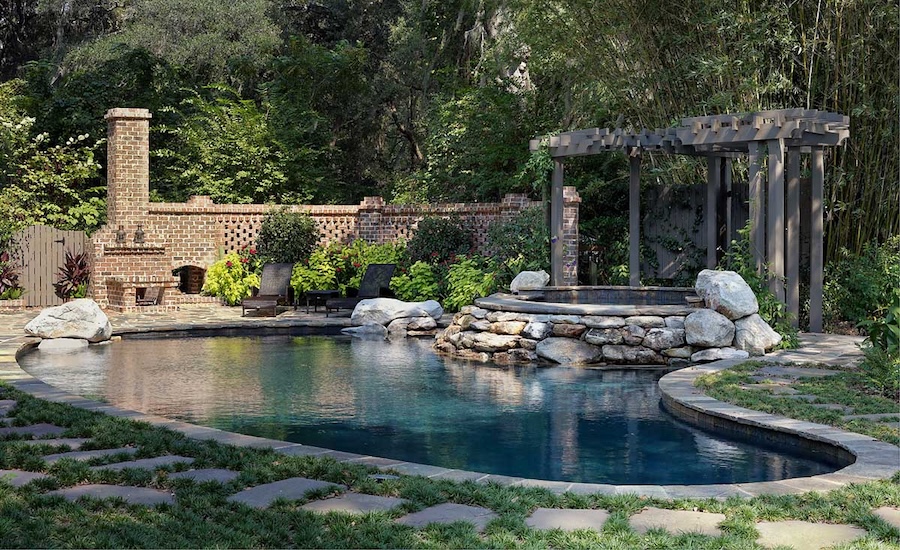
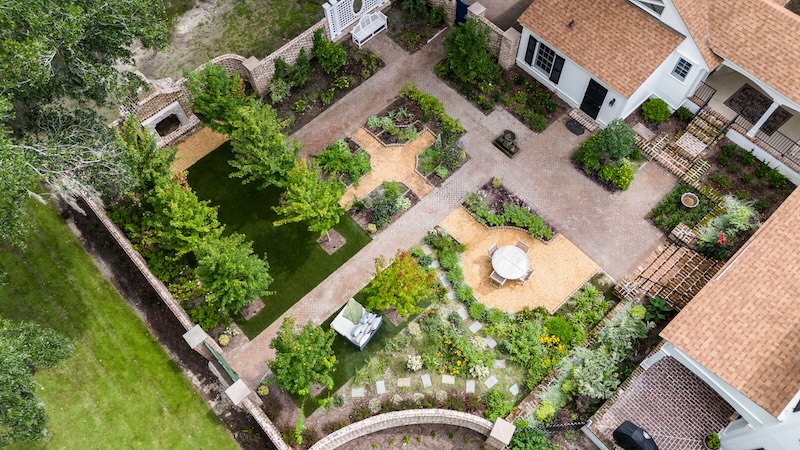
During the summer, even the most beautiful backyard can become uncomfortable without relief from the sun. Umbrellas and awnings certainly help, but Cook encourages homeowners to think more naturally when designing outdoor spaces. Mature live oaks, thoughtfully placed landscaping and pergolas covered in climbing greenery can create cooler, more inviting gathering areas while blending seamlessly into the Lowcountry landscape. A pergola draped in Carolina jessamine, for example, can provide welcome shade without sacrificing airflow or views of the marsh.
5. Treating outdoor living like a seasonal luxury
One of the biggest mistakes newcomers make is designing outdoor spaces as if they’ll only be used a few months each year. In the Lowcountry, outdoor living is part of everyday life nearly year-round. “Take advantage of outdoor living 12 months a year, whether that means pools, outdoor seating areas or even fire pits for cooler days in late fall and winter,” Cook says. Screened porches, outdoor kitchens, fireplaces and comfortable seating areas can dramatically extend how often homeowners enjoy their backyard spaces. Here, grilling in February and gathering outdoors in November are simply part of the lifestyle.
Moving South comes with a unique set of surprises, but thoughtful planning can make all the difference. By working with local experts and designing with the Lowcountry climate in mind, homeowners can create outdoor spaces that handle the heat, weather the storms and fully embrace the coastal lifestyle that brought them here in the first place.
This post was created by LL Partner Studio on behalf of Savannah Hardscapes. Learn more at savannahhardscapes.com.