Are Saltwater Pools Worth It? What Lowcountry Homeowners Should Know
Local pool experts break down the comfort, maintenance and costs behind one of today’s most sought-after backyard upgrades.
Story by Alea Wilkins
Key Points
● Saltwater pools differ from traditional pools in their chlorine addition process. While traditional pools need chlorine to be frequently mixed into the water, saltwater pools can generate their own chlorine.
● Saltwater pools, with their higher salinity, offer unique perks compared to traditional chlorine pools like lower maintenance and greater comfort for swimmers with sensitive skin.
● However, higher upfront costs and potential damage to surrounding pool deck furniture and plants can deter homeowners from making the investment.
You know it when you feel it. Silky smooth and slightly buoyant, a saltwater pool announces itself the moment you wade in. Offering softer water, lower day- to-day maintenance and a resort-style feel, saltwater pools have become one of the most sought-after upgrades in outdoor living. Here’s what Lowcountry homeowners should know before taking the plunge.
Saltwater 101
Despite the name, saltwater pools are still chlorine pools. The difference lies in how the chlorine is produced.
“A traditional chlorine pool requires you to manually add chlorine, usually as a liquid, tablet or powder,” says Clearwater Pools service manager Peter Meinel. “In a saltwater pool you add salt to the water, and a device converts that salt into chlorine through electrolysis.”
Once activated, the system continuously converts salt into chlorine, reducing the need for homeowners to manually add it week after week. That difference shapes everything from maintenance and comfort to long-term operating costs.

The appeal
With a reputation for luxury and a price tag to match, saltwater pools offer plenty of advantages to justify the investment. After installation, maintenance often becomes simpler and more predictable. Depending on the system, the salt cell can continue generating chlorine for several years before replacement is needed, reducing the time and expense spent hauling home buckets of pool chemicals.
The key to maintaining a saltwater pool, according to the experts at Year Round Pool, is consistent monitoring.
“Frequent testing of the salinity and water chemistry helps avoid issues related to irregular pH, like algae growth,” the team said.
When properly maintained, salt levels tend to remain stable for long periods.
“As long as there aren’t frequent storms or heavy splashing that causes water loss, salt levels typically stay consistent over time,” the team adds.
For swimmers with sensitive skin, saltwater pools also feel noticeably gentler. While traditional chlorine pools often leave skin and eyes feeling dry or irritated, saltwater tends to feel softer, smoother and more comfortable for extended swims.
“If you expect to frequently use your pool for extended periods of time for activities such as swimming laps, therapy or exercise, saltwater can be a more enjoyable environment to be in,” the Year Round Pool team says.
The trade-offs
Despite their comfort and convenience, saltwater pools come with trade-offs homeowners should carefully consider. The biggest hurdle is often the upfront expense. Saltwater systems require specialized equipment, and the initial installation typically costs more than a traditional chlorine setup. While lower chemical maintenance can help offset that investment over time, the higher entry price may not make sense for every homeowner.
Salt exposure also can take a toll on surrounding materials. The Year Round Pool team compares it to beach chairs left outside all summer: eventually colors fade, finishes dull, and surfaces begin to dry out. To minimize wear, homeowners should keep sensitive plants and furnishings outside the splash zone and choose outdoor materials designed to withstand salty conditions.
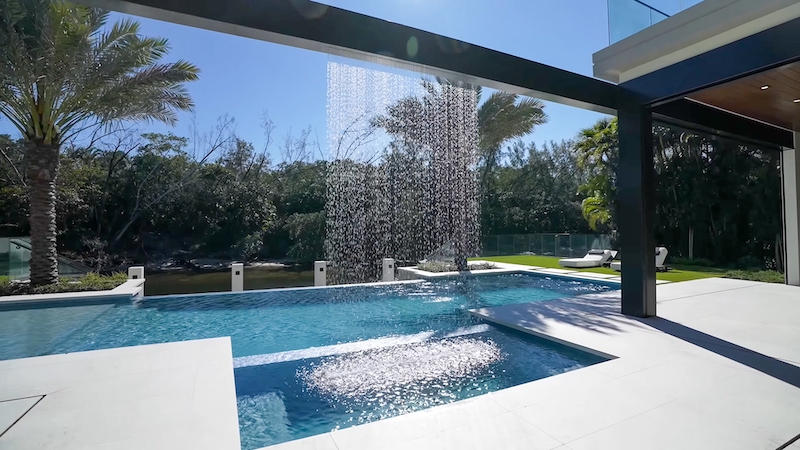
Partially submerged features, such as raised tile walls, spillover spas and cascading waterfalls, can also develop chalky calcium buildup over time. These areas require periodic cleaning to maintain their appearance, though products designed to reduce scaling can help minimize the issue.
Though manageable, these maintenance considerations are important to understand before making the switch.
Take it with a grain of salt
Like any major outdoor upgrade, a saltwater pool is an investment in both lifestyle and comfort. Homeowners should weigh the higher upfront costs against the long-term benefits of easier maintenance, softer water and a more luxurious swimming experience.
For occasional swimmers, a traditional chlorine pool may be more than enough. But for homeowners who spend summer afternoons drifting beneath swaying palmettos while marsh breezes roll across the water, the softer feel and reduced upkeep of saltwater can make the investment feel well worth it.

How saltwater pools work
A saltwater pool still uses chlorine to keep the water clean. The difference is that instead of manually adding chlorine every few days, the pool creates its own through a process called electrolysis.
- Salt is added to the water.
- Saltwater pools contain a mild concentration of salt, usually about 10 times less salty than ocean water. Most swimmers notice the water feels softer and smoother, not noticeably salty.
- Water flows through a salt cell.
- As the pool’s filtration system circulates water, it passes through a device called a salt chlorine generator, often referred to as a salt cell.
- Electrolysis creates chlorine.
- Inside the salt cell, a low electrical current passes through the saltwater. This process, called electrolysis, converts dissolved salt into chlorine.
- Chlorine sanitizes the pool.
- The newly created chlorine kills bacteria, algae and other contaminants, keeping the water clean, clear and safe to swim in.
- The cycle starts again.
- After the chlorine does its job, it naturally converts back into salt, allowing the process to repeat continuously.
The result is a pool that steadily generates smaller amounts of chlorine instead of relying on large manual doses. That’s why many swimmers say saltwater pools feel gentler on the skin and eyes and have less of the harsh chlorine smell often associated with traditional pools.