6 Expert Tips for Beautiful, Functional Yards This Spring
Local landscaping professionals share practical strategies for yards that look good and function beautifully.
Story by Bailey Gilliam
Key Points
● Design yard layouts to maximize efficiency, and use pavers built to last.
● Choose pollinator-friendly plants and check the soil before planting.
● Check the weather before fertilizing, and use products that will protect your garden and guests.
Spring is the perfect time to refresh your outdoor spaces, but creating a landscape that’s both beautiful and functional can feel overwhelming. To help, six local businesses share their top tips for the season. From choosing durable pavers that withstand the Lowcountry climate to planting gardens that support pollinators, designing outdoor living areas that flow naturally, and timing your lawn care for healthy turf, these experts offer practical advice you can put into action immediately. Whether you’re upgrading hardscapes, welcoming butterflies or simply trying to keep your grass green through unpredictable spring weather, their insights make it easier to enjoy a landscape that’s ready for both everyday life and seasonal entertaining.
Select the right pavers
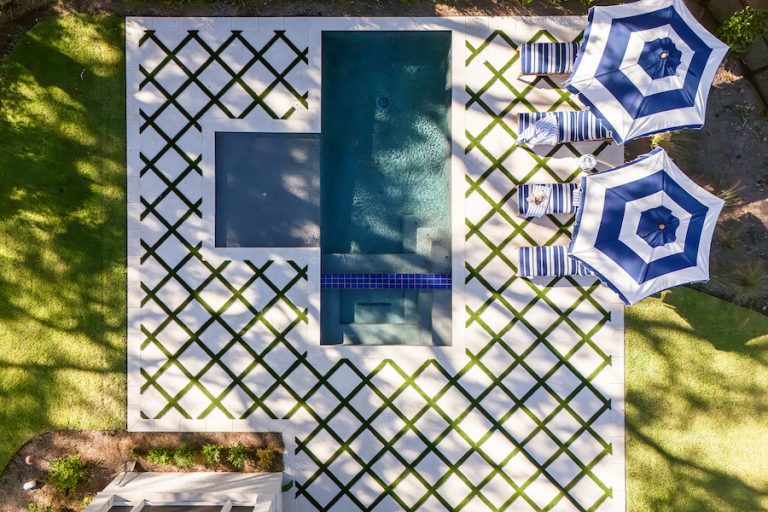
As spring landscaping ramps up, choosing the right pavers is key to managing seasonal rain, pollen, fallen leaves and increased outdoor use. Savannah Surfaces recommends three paver options for spring in the Lowcountry: porcelain, natural stone or concrete and clay.
“Porcelain pavers offer a low-maintenance alternative to natural stone, with a dense, stain-resistant surface, small grout joint and non- fading color,” says exterior sales manager Lisa Bakke.
Most outdoor stains originate from everyday debris, such as tannins from oak leaves or food and drink spills. When it comes to upkeep, Bakke emphasizes the ease of cleaning porcelain pavers, saying, “These areas are easily cleaned off with Dawn dish soap and water or, at most, a light pressure wash or spot cleaning with a nylon brush.” She adds, “No need for harsh chemicals that may damage your other surfaces or plants.”
Bakke also highlights how porcelain performs in the local climate. “The hard surface is not affected by the high moisture content in the Lowcountry climate, making it difficult for mold or mildew to grow on the pavers,” she says.
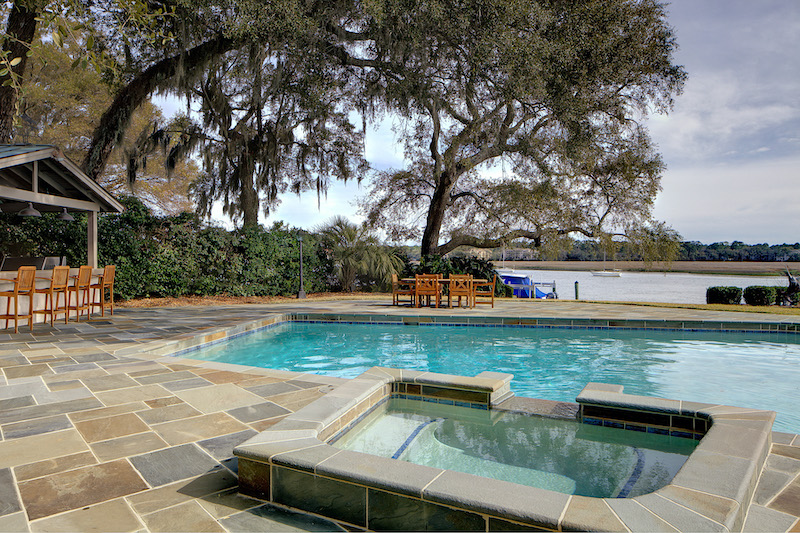
For homeowners considering natural stone, dense stones such as Pennsylvania bluestone, wet-cast pavers like Artistic Paver, and high- density concrete pavers like Techo-Bloc HD2 can also provide low- maintenance surface options. She cautions that sealing is essential. “Natural stone and concrete pavers should be sealed with a high-quality sealer to protect from stains and prevent moisture from penetrating, which can allow mold and mildew to grow,” Bakke says.
She explains that penetrating sealers buy time to clean up a stain before it penetrates deeper into the surface. For high-traffic areas like driveways and patios, she recommends clay pavers such as Pine Hall.
“Clay pavers are naturally resistant to staining, and heavy stains like automotive fluids will naturally burn off with sunlight and rain,” says Bakke. Savannah Surfaces even uses clay pavers for commercial parking lots, plazas and public sidewalks. As for the Lowcountry weather, Bakke says, “Fired natural clay products will not fade in the Lowcountry sun and salt air.”
Choose pollinator-friendly plants
As spring brings new growth and color to the landscape, The Green Thumb encourages gardeners to consider how their plant choices support the broader ecosystem.
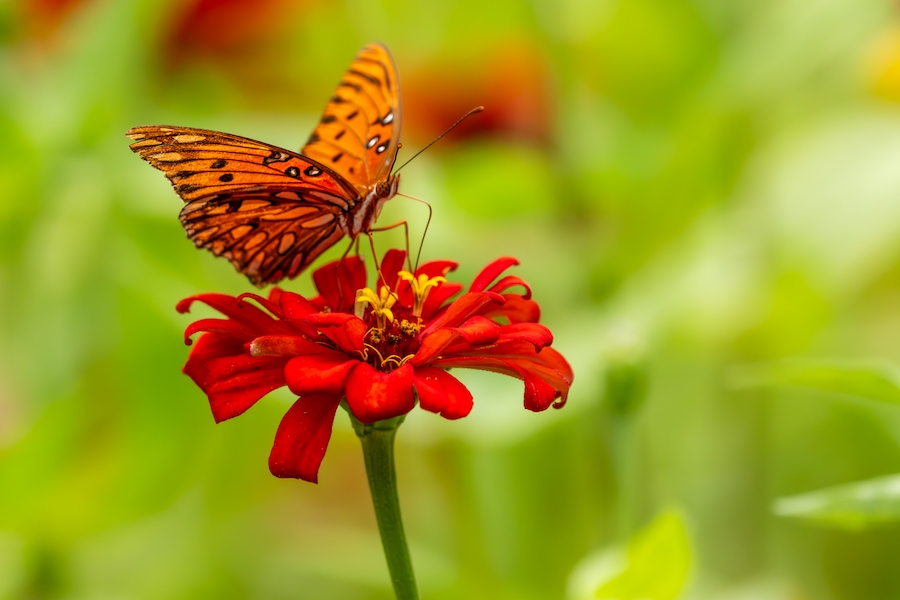
“The buzz for spring is all about pollinator-friendly gardens, and this trend has continued to gain in popularity with good reason,” says Suzanne Barton, general manager of the retail division. “It helps create a beautiful landscape and is beneficial for bees, butterflies and hummingbirds.”
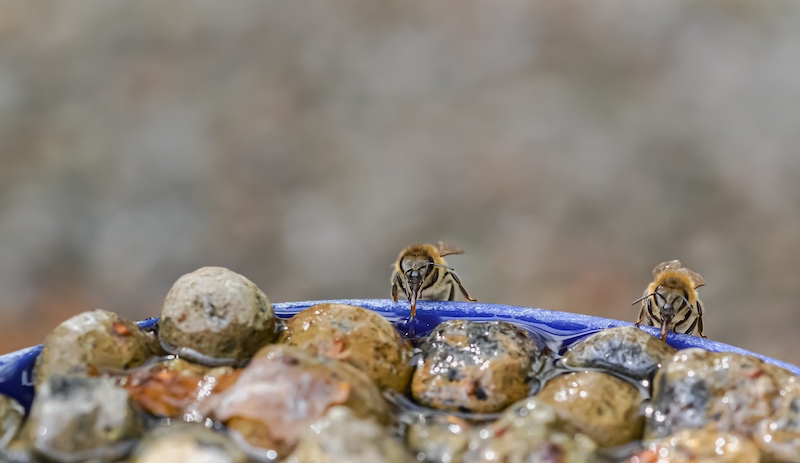
When it comes to plant choices, Barton says lantana, zinnias, salvias, echinacea, penta, milkweed and cuphea are great options for sunny beds and containers. “These plants provide food in the form of nectar and pollen to butterflies, bees and hummingbirds,” she says.
She emphasizes that food alone, though extremely important, isn’t enough. “Along with food, they also need a water source, especially during the high heat and drought we frequently experience here in the Lowcountry,” she says.
Adding a water station is simple: a glazed saucer, shallow dish, pan or bowl with rocks, a pinch of sea salt and fresh water. Keeping this feature near the food source is important. “Set this atop an upside-down flower pot or bucket as a stand close to your food source,” she recommends.
Lastly, remember that butterflies and bees do not swim, so check the water level frequently. The rocks should remain exposed so they have a perch and a place to drink.
Plan for entertaining and everyday use
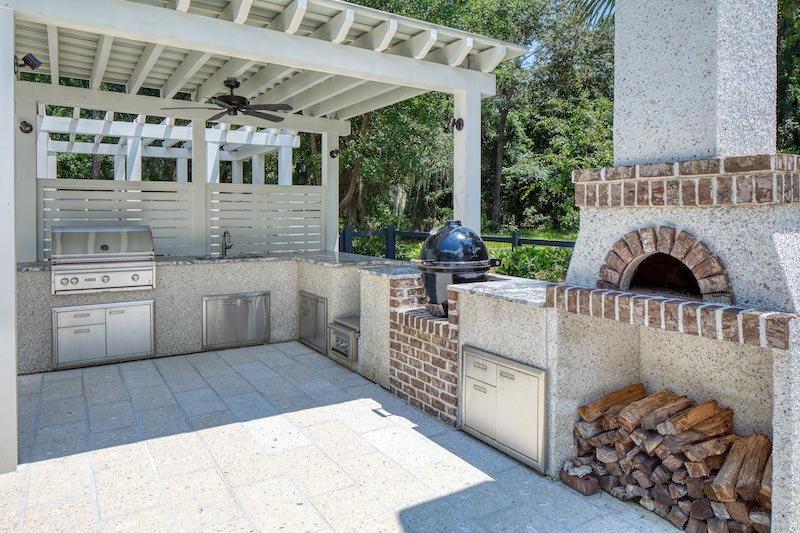
As spring brings longer days and more time outdoors, Earthworks Landscape encourages homeowners to consider how their yards function, not just how they look. Landscaping that supports everyday living and entertaining can make outdoor spaces easier to use and more inviting throughout the season.
“As you plan your garden or yard for spring, consider functionality just as much as beauty, especially when it comes to outdoor
living and entertaining,” says Elizabeth Turner, director of sales and marketing. “One of the most impactful design choices is creating seamless proximity between your home and your outdoor gathering spaces.”
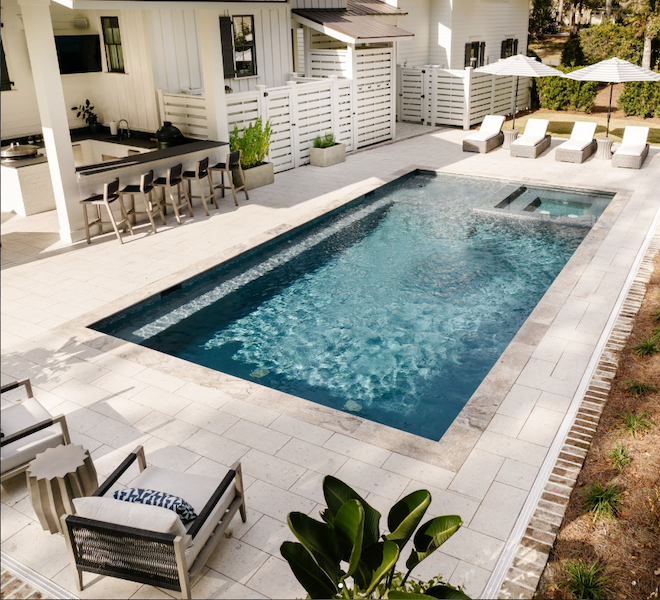
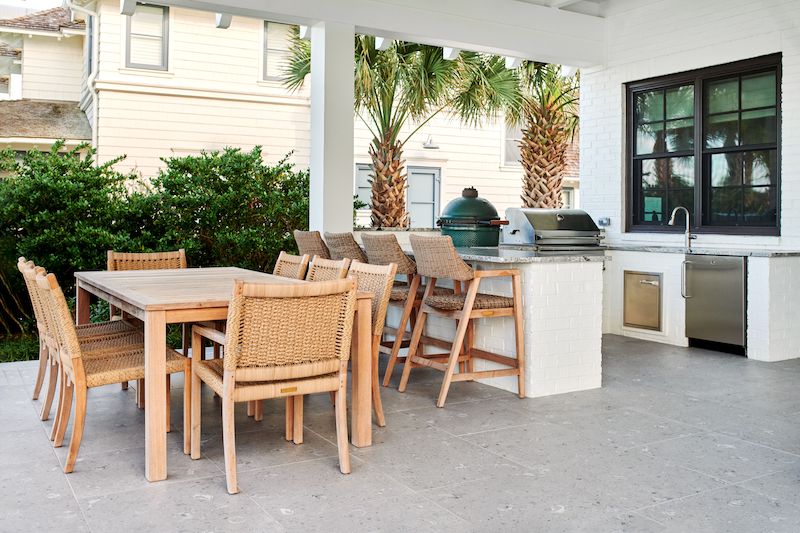
Turner explains why this matters in daily use. “Whether it’s an outdoor kitchen, dining patio or lounge area, placing these features close to the house allows for easier access, comfort and flow when hosting guests or enjoying everyday life outside,” she says.
She encourages homeowners to think intentionally about movement. “Grilling should feel effortless, seating should invite conversation, and pathways should connect key areas without interruption,” she says. “By designing your landscape as an extension of the home, you create an outdoor environment that is visually inviting, purposeful, livable and ready to be enjoyed all season long.”
Water and fertilize according to the weather
As lawns emerge from winter dormancy, there is a critical spring window when proper timing can make or break turf health for the rest of the year.
“The two biggest mistakes during the spring transition period of turf grasses are typically over- or under-watering as well as fertilizing too early,” explains Lawn Doctor general manager Carson Taylor.
Lowcountry weather is unpredictable: it varies year to year and even day to day. Lawn care professionals base their decisions on soil temperatures, which are directly influenced by air temperatures.
“When it comes to fertilizing a lawn, if you jump the gun and apply too early, you are allowing the turf to become susceptible to fungus,” Taylor says. “Fungus can display in a few different ways, but the most common in our area is a large brown patch.”
Lawn Doctor recommends waiting to fertilize until soil temperatures are consistently above 65 degrees for at least a week. “This is typically in early to mid-April, but it varies year to year,” Taylor says.
When it comes to watering, temperature remains a major factor. “Typically in March we are seeing temperatures in the 60- to 70-degree range, and at this point we recommend watering only one time a week for about 20 to 25 minutes per zone,” Taylor says. “Moving into April, when we are seeing temperatures more in the 70- to 80-degree range, you still want to keep your irrigation set to once a week but increase the duration closer to the 30- to 35-minute range per zone.”
Less frequent, deeper watering helps establish a healthy root system, allowing the lawn to perform better throughout spring and into summer.
Taylor also stresses the importance of monitoring rainfall. “If we have received an inch of rain, then that week of irrigation can be skipped,” he says. “We highly recommend keeping a rain gauge somewhere on your property to accurately monitor rainfall.”
Plan gardens early
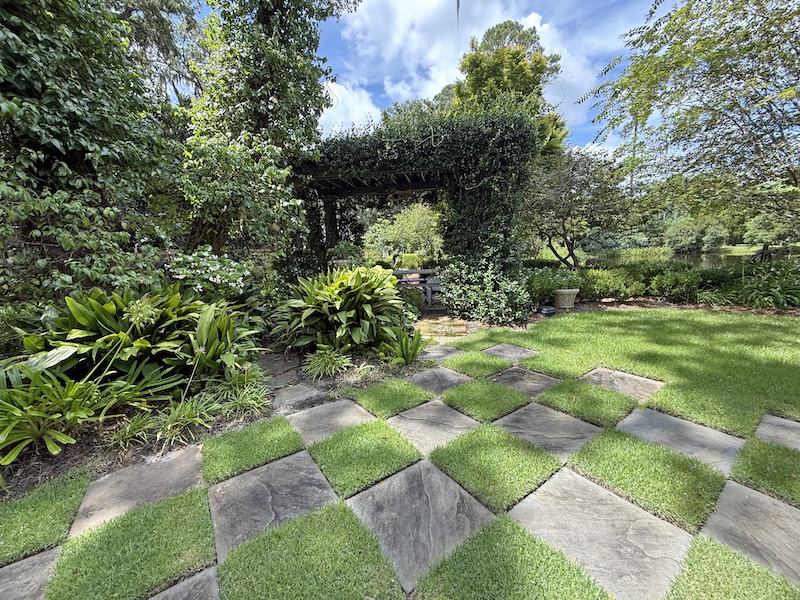
As spring landscaping kicks off, planning what and when to plant can make the difference between a garden that thrives and one that struggles. The Greencoast Landscape and Hardscape recommends checking plant availability and testing soil before planting. Owner Israel Guerrero says taking these steps early helps new plants establish strong roots and ensures a healthy start for the season.
Irrigation is another key factor. “Ensure your irrigation system is up to date before you begin planting to avoid stressing new plants,” Guerrero says.
Choosing the right plants also improves success. “Select plants according to our specific hardiness zone,” he says. “A thoughtful design ensures year-round beauty.”
For gardeners looking to create a unique outdoor space, Guerrero encourages creativity. “Don’t be afraid to create unique spaces,” he says. “If a project becomes too complicated, seek professional advice.”
When planting, Guerrero recommends feeding plants from the start. “Add a slow-release fertilizer to the bottom of the hole when planting to encourage growth,” he says.
This is also a good time to plant summer bulbs, finalize heavy pruning and re-pot indoor plants. For ongoing maintenance, he adds, “Fertilize your azaleas, camellias and rose bushes,” ensuring that both new and established plants flourish through the spring.
Protect your garden with fertilizers and deer-resistant plants
Spring growth doesn’t happen by accident. It starts with giving plants the nutrients they need right out of the gate.
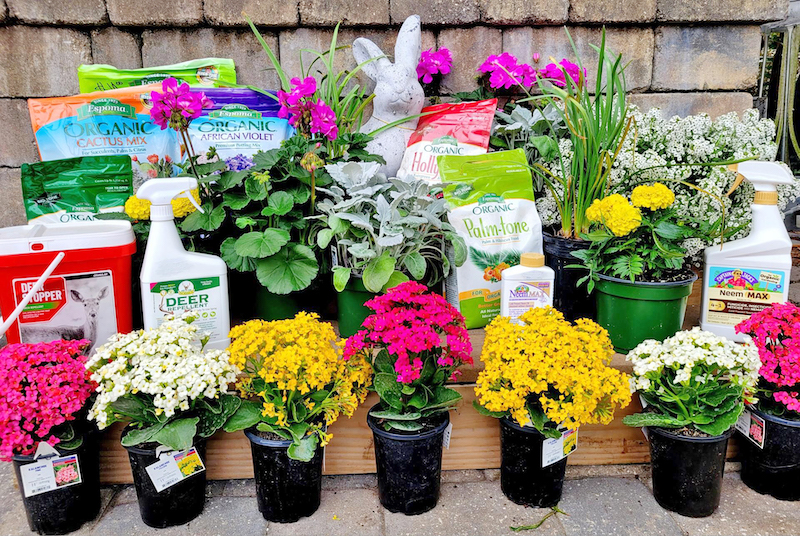
At Bruno Landscape and Nursery, nursery manager Jordan Bruno says timing is everything. “Spring has sprung, and mid-March is the perfect time to fertilize,” she says. “We recommend our favorite organic Espoma fertilizer and soil, which are kid- and pet-safe.”
Choosing the right product matters just as much as applying it at the right time. Feeding early in the season helps strengthen root systems, encourage blooms and set the tone for months of healthy growth.
“Espoma has a large variety to choose from to support all your needs, from planting in the ground to nourishing existing plants and establishing new and potted flowers,” she says.
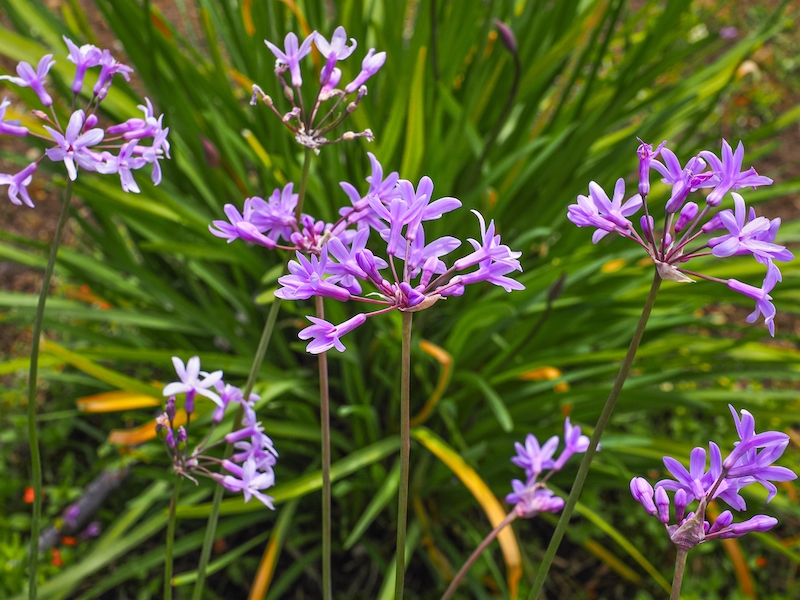
Wildlife is another consideration. “One other thing to keep in mind this spring season, especially here in the Lowcountry, is looking for deer-resistant plant options,” Bruno says. “Two of our favorites in the nursery are dwarf oleander and society garlic.”
For gardens that include more tempting varieties, products such as Messina’s Deer Stopper can help protect less deer-resistant plants.
By pairing proper fertilization with smart plant selection, Bruno says homeowners can build a spring landscape that’s not only lush and colorful, but resilient as well.