What Your Dog’s DNA Can Reveal About Their Health, Behavior and Breed
From breed ancestry to potential health insights, dog DNA testing can offer a closer look at what makes your pet unique.
Story by Bailey Gilliam
Key Points
● Dog DNA testing can reveal more than breed, offering insight into ancestry, behavior and potential health considerations.
● Genetics can help explain some of the traits that make dogs unique, from their physical characteristics to aspects of their behavior.
● DNA results can give pet owners useful information to discuss with their veterinarian, particularly when genetic health findings are involved.
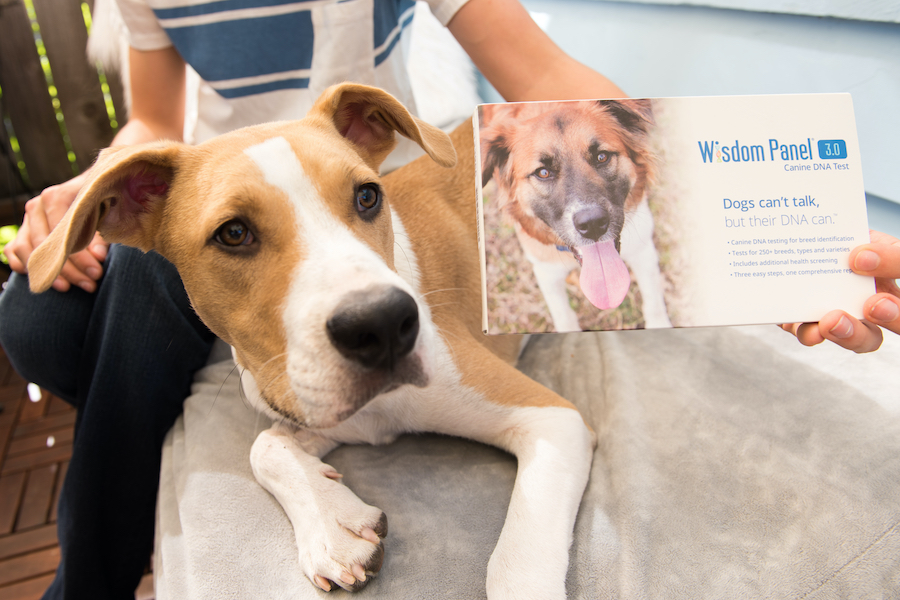
For years dog DNA tests have been marketed as a fun way to answer the age- old question, “What exactly is my rescue?” A simple cheek swab can reveal whether your adopted pup is really part Labrador, German shepherd or something far more surprising, like a chihuahua-pit bull mix with a dozen other breeds thrown in. But today’s DNA tests do much more than satisfy curiosity. They can identify inherited health risks, uncover medication sensitivities, estimate adult size, explain certain behavioral tendencies and even connect your dog with long-lost relatives. Whether you’re raising a rambunctious puppy or caring for a beloved senior, a little genetic detective work can provide valuable insights that help you make better decisions throughout your dog’s life.
What’s in your dog’s DNA?
Every dog carries a unique genetic blueprint inside nearly every cell of its body. This blueprint, called DNA, contains thousands of genes that influence everything from coat color and body size to inherited health conditions and certain behavioral tendencies. Dogs have roughly 20,000 genes arranged across 78 chromosomes, each carrying instructions that make your pet one of a kind. When a DNA test analyzes your dog’s genetic material, it compares those genes to extensive databases of breeds and known genetic markers. The result is a snapshot of your dog’s ancestry, inherited traits and potential health risks.
How it works
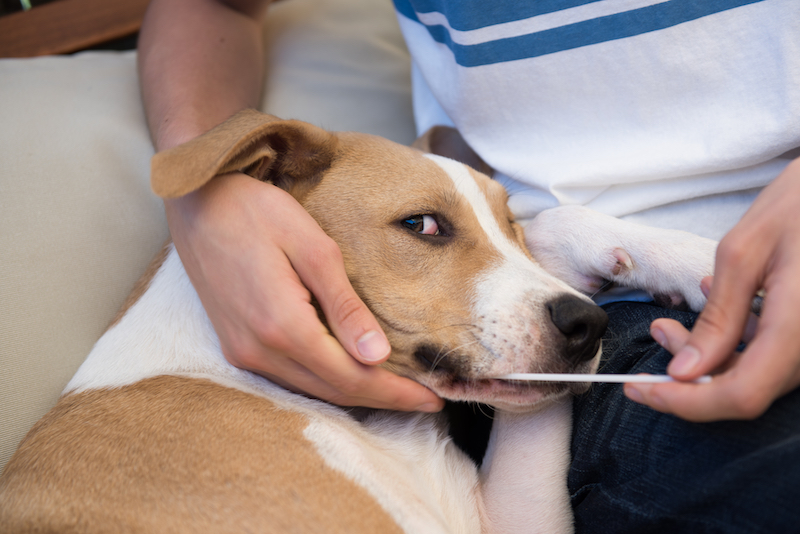
Most DNA tests require nothing more than a quick cheek swab. Rub a sterile swab along the inside of your dog’s mouth for about 15 seconds, mail it to a laboratory and wait a few weeks for the results. If your dog objects to the process, your veterinarian can often collect the sample during a routine visit. Basic breed- identification kits generally cost between $35 and $80, while more comprehensive health panels typically range from $100 to $175 or more. Several companies now offer testing options that range from simple breed identification to extensive health screening, trait analysis and relative matching.

Breed breakdown
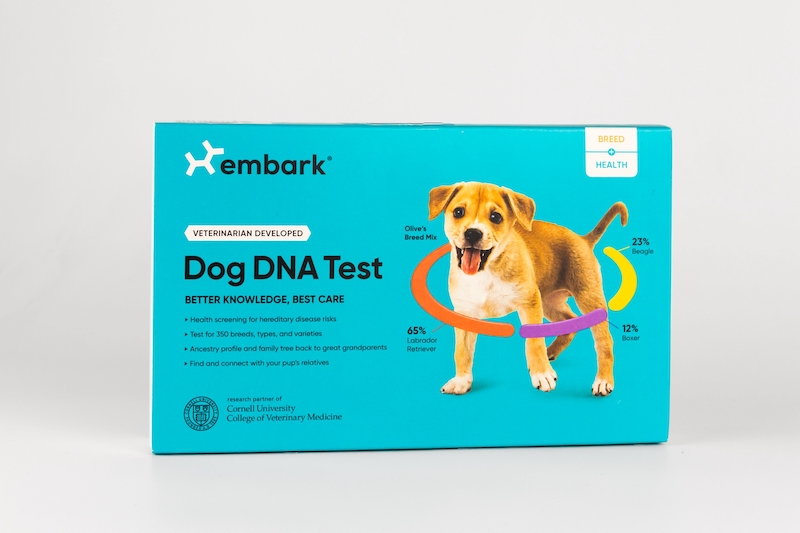
One of the biggest draws of DNA testing is discovering exactly what breeds make up your dog. While mixed-breed dogs often leave owners guessing, a DNA test can estimate the percentage of each breed in your pet’s genetic makeup. You may learn your “Lab mix” is actually part border collie, Australian cattle dog and boxer, or discover a surprising breed hidden several generations back. Knowing your dog’s breed composition goes well beyond curiosity. It offers clues about expected adult size, lifespan, exercise needs and common behavioral tendencies. Herding breeds, for example, often have stronger instincts to chase or nip, while sporting breeds typically require more physical activity and mental stimulation. Understanding those tendencies can help owners tailor training and daily routines to better fit their dog’s natural instincts. Some tests also estimate genetic diversity and provide a look at your dog’s ancestral family tree, helping owners better understand what to expect as puppies mature.
Health screening
Perhaps the greatest benefit of DNA testing is its ability to identify inherited health risks before symptoms appear. Comprehensive tests can screen for hundreds of genetic conditions and identify mutations linked to inherited disorders. One of the best-known examples is the MDR1 gene mutation, which can make certain dogs dangerously sensitive to common medications. Knowing about this mutation ahead of time allows veterinarians to choose safer treatments and recommend additional screenings when appropriate. A positive result does not guarantee your dog will develop a disease. Instead, it highlights conditions your veterinarian may want to monitor more closely as part of your dog’s long-term care.
Hidden traits
DNA can reveal much more than what’s visible on the outside. Many tests identify genes associated with coat color, coat type and other physical characteristics that may not be obvious but could be passed to future generations. Some advanced tests also screen for inherited behavioral tendencies. While genetics don’t determine personality, they can suggest a greater likelihood of traits such as trainability, sociability or separation anxiety. Combined with your dog’s experiences and environment, these insights can help explain certain behaviors and guide training.
Nutrition and weight
Some DNA tests also provide clues about nutrition and weight management. Based on genetic markers, they may estimate expected adult size, identify genes associated with obesity or metabolism and offer recommendations that support healthy joints, digestion, skin and coat condition. While these reports shouldn’t replace guidance from your veterinarian, they can provide a useful starting point for building a personalized wellness plan.

Finding family
Many DNA testing services can connect your dog with genetic relatives. As more dogs are added to a company’s database, owners may discover siblings, parents, offspring or distant cousins. Some have even reunited littermates adopted by different families years earlier. Although it’s largely a fun feature, it also offers useful clues about your dog’s background and inherited traits.
It’s all about perspective
Dog DNA tests can provide fascinating insights, but they aren’t crystal balls. They cannot predict with certainty whether your dog will develop a particular disease, nor should they replace regular veterinary care. Genetics are only one part of the equation. Diet, exercise, environment and preventive medicine all play major roles in your pet’s long- term health. It’s also worth remembering that consumer pet DNA tests are not regulated in the same way as human genetic tests, so results can vary between companies. Once you receive your dog’s report, review it with your veterinarian to determine whether any additional screenings, lifestyle adjustments or preventive care are appropriate.
Helping future dogs
Beyond helping individual pets, many DNA testing companies — with an owner’s permission — contribute anonymous genetic data to canine health research. Scientists use this growing database to study inherited diseases, cancer, aging and other conditions, leading to better diagnostics, treatments and breeding practices Because dogs naturally develop many of the same diseases as humans, these discoveries can even benefit human medicine. A simple cheek swab may answer a few questions about your own dog today while helping improve the health of countless dogs tomorrow.
CSI: Canine
Think DNA testing is only for discovering your dog’s family tree? It’s also helping solve one of the least glamorous neighborhood mysteries: who didn’t pick up after their pet? Some apartment communities, condominiums and homeowners associations use a service called PooPrints, which creates a DNA profile for every registered dog. If abandoned waste is found on the property, technicians extract cells from the sample and compare the DNA with the database to identify the responsible pup — and, ultimately, its owner.