Cooking with Salt: Best Salts for Flavor, Finishing and Everyday Cooking
A guide to choosing the right salt for flavor, texture and finishing touches
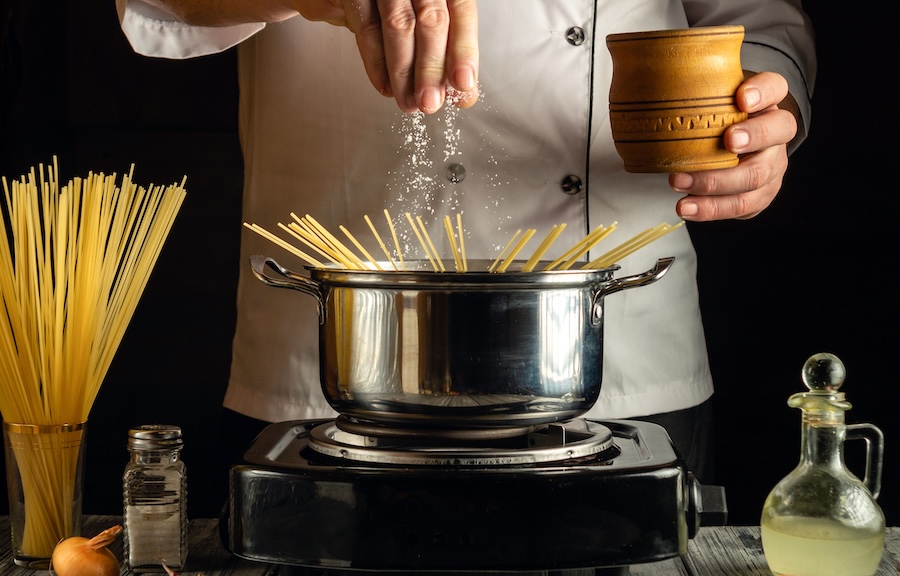
Not all salt belongs in the same shaker. The variety you choose and the moment you use it can completely change the flavor, texture and finish of a dish. According to Todd Ernst of The Spice & Tea Exchange, great seasoning often comes down to timing. “If you season properly while you cook,” he says, “you don’t need to add anything when you eat it.” Understanding the role each salt plays can turn an average meal into something far more memorable.
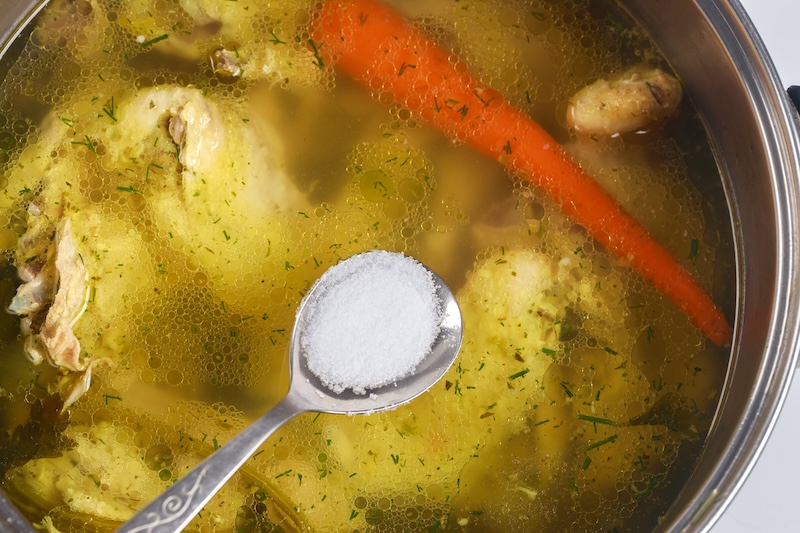
For everyday cooking: Table salt & kosher salt
Table salt is the workhorse most people know best. Fine-grained and quick to dissolve, it’s dependable for baking, soups, sauces and everyday seasoning.
Kosher salt, with its larger, lighter crystals, is the chef favorite. It’s easy to grab by the pinch, distributes more evenly and clings especially well to meats and vegetables. Because it seasons more gently by volume, it also gives cooks more control while building flavor throughout the cooking process.
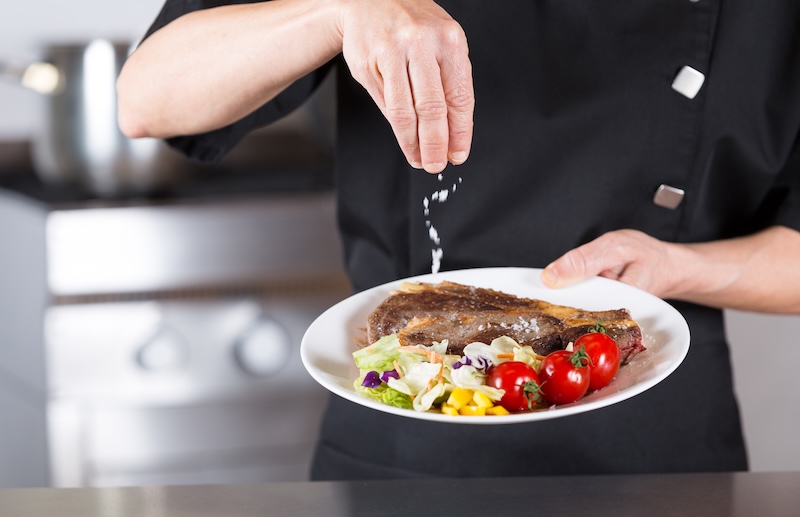
For finishing: Flaky salt, fleur de sel & Himalayan salt
Some salts are best saved for the final flourish. Flaky sea salts and fleur de sel add delicate crunch and little bursts of salinity that wake up everything from grilled steak to chocolate chip cookies.
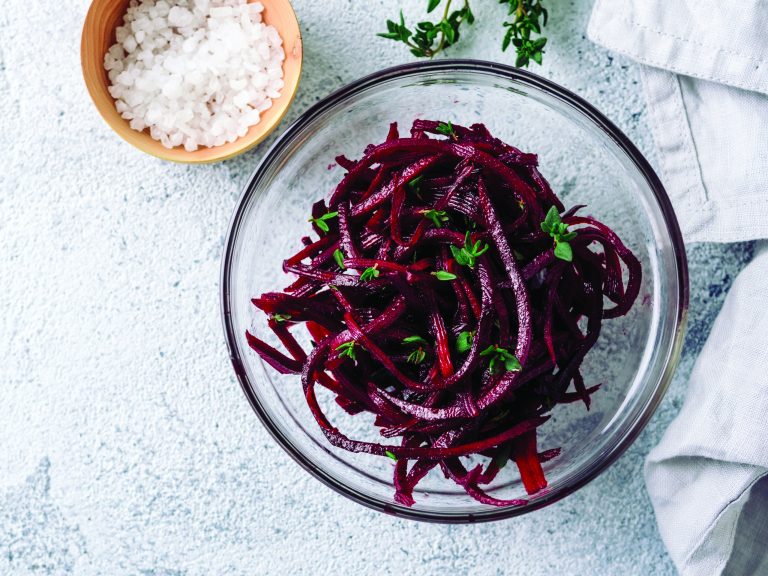
Himalayan pink salt, often served in grinders or small dishes, brings a mild mineral quality along with eye-catching color. These finishing salts are less about making food salty and more about adding texture, contrast and a final layer of flavor right before serving.
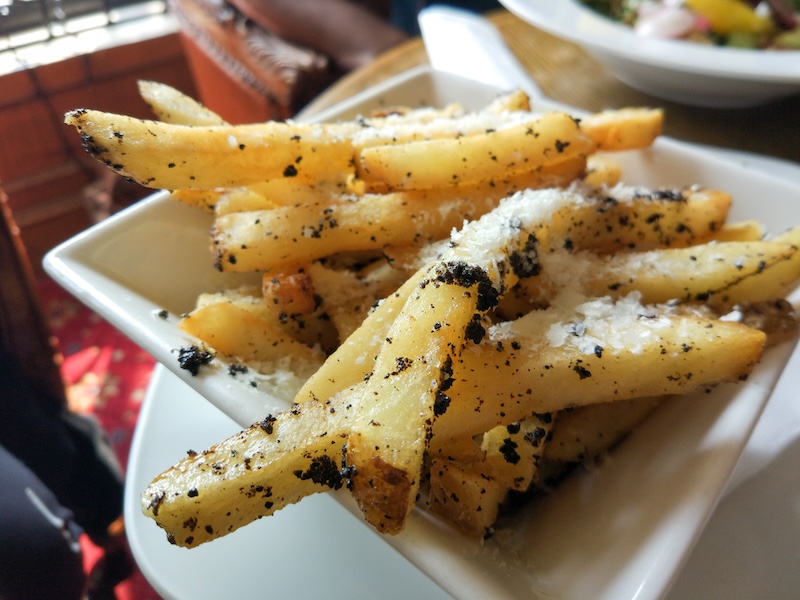
For bold flavor: Smoked, infused & seasoned salts
When salt becomes part seasoning blend, part flavor enhancer, things get interesting. Smoked salts add deep, fire-kissed character to roasted vegetables, potatoes and grilled meats.
Infused salts featuring truffle, garlic, herbs or citrus can instantly enhance simple foods with very little effort.
“You’re incorporating several flavors at once,” Ernst explains, which is why these salts are especially popular on fries, burgers, popcorn and quick weeknight dishes.
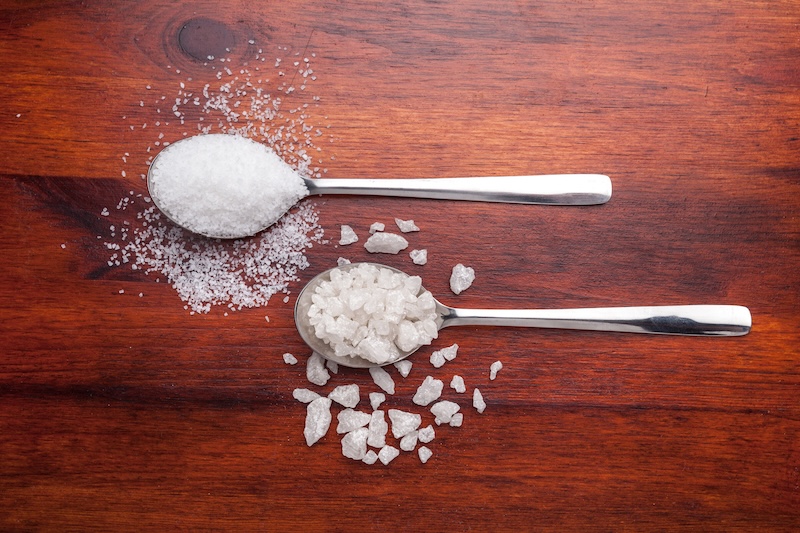
For texture and control: Coarse vs. fine
Grain size matters more than many home cooks realize. Fine salt disappears quickly into doughs, batters and sauces, ensuring even seasoning throughout.
Coarse salt delivers texture, visual appeal and slower bursts of flavor. Larger crystals are excellent for grinders and cooking applications but less pleasant as a finishing touch. Nobody wants to bite into a mouthful of salt crystals halfway through dinner.
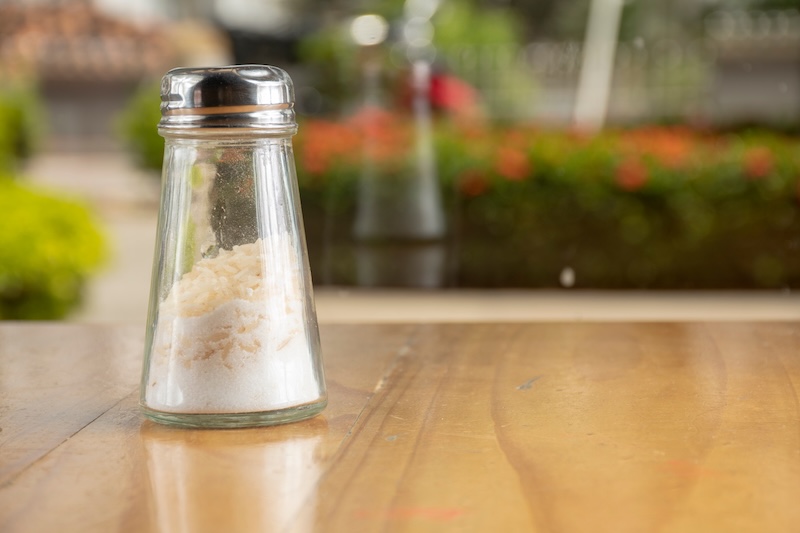
Humidity hack
In the Lowcountry’s humidity, salt has a habit of clumping almost instantly. Ernst recommends an old-school solution: add a few grains of uncooked rice to your salt shaker to absorb excess moisture and keep everything flowing smoothly.