Lavender in the Lowcountry: How to Grow, Cook and Use This Versatile Herb
What’s Fresh in May?
How to grow, cook and use this surprisingly versatile herb in the Lowcountry
Story By Bailey Gilliam
Lavender may be known for its calming scent, but in the Lowcountry, it’s earning a second look in the kitchen and the garden. From refreshing drinks to baked goods and even savory dishes, this classic herb offers far more versatility than most expect. Here’s how to grow lavender in Southern conditions, cook with it properly and bring its subtle floral flavor into everyday recipes.
Flower of the flock
First rule of cooking with lavender: not all lavender is invited. English lavender is the one you want. It is softer, slightly sweet and far less aggressive than its showier cousins. French and Spanish varieties may win the beauty contest, but in the kitchen they tend to overpower everything in sight. The buds are where the flavor lives. And they do not need much help. A pinch is plenty. More than that, and you risk crossing the line from elegant to edible air freshener.
Taking root
Lavender has been pulling its weight for centuries. Ancient Egyptians used it in mummification. The Greeks turned to it for medicinal remedies. The Romans? They put it in their baths, which is how it likely got its name from lavare, meaning “to wash.” By the Middle Ages, it was everywhere. Soaps, oils, remedies. When it made its way to the Americas, it slipped easily into gardens and kitchens alike. Some plants are pretty. Some are useful. Lavender has always been both.
Flower power
That calming scent is not just for show. Lavender has long been used to ease stress, support sleep and take the edge off a long day. It is rich in antioxidants and carries natural anti-inflammatory and antimicrobial properties. In the kitchen it does more than smell good. It can help with digestion and bring a subtle sense of balance to dishes. Think of it as flavor with benefits.
Petals of promise
Growing lavender in the Lowcountry takes a little strategy. Sun is easy. Drainage is everything. Clemson Cooperative Extension recommends full sun and sharply draining soil. Translation: keep it dry. Terra cotta pots work well indoors. Outdoors, raised beds or containers can help you stay ahead of our sandy, humid soil. Prune lightly in spring, trim again in midsummer, and cut back by about one-third in late summer. Harvest when the buds are full and just starting to open. That is when the flavor is at its best.
Fresh pick
Good lavender should look alive. Bright blue-purple, not faded or gray. Give it a quick smell. It should be fresh and slightly sweet, not overwhelming. And make sure it is labeled for culinary use. Not all lavender is meant for your plate, and essential oils definitely are not. Like anything else, better in means better out.
Lay in lavender
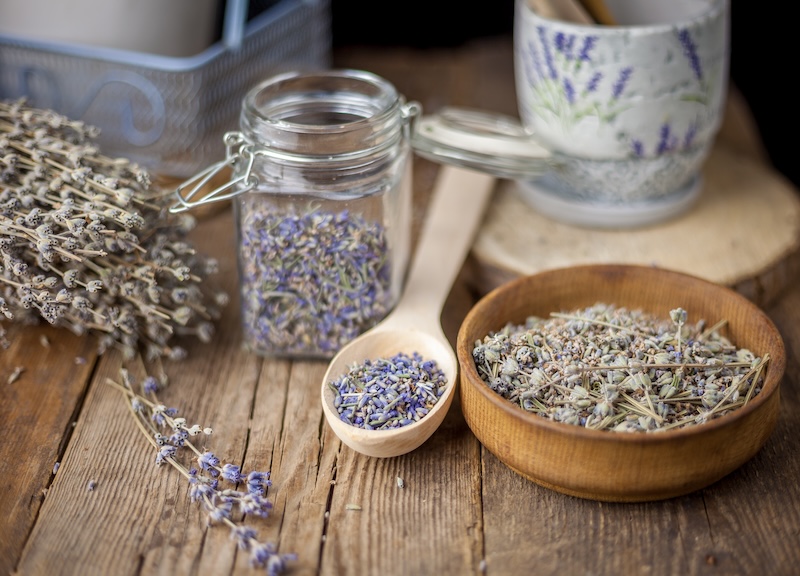
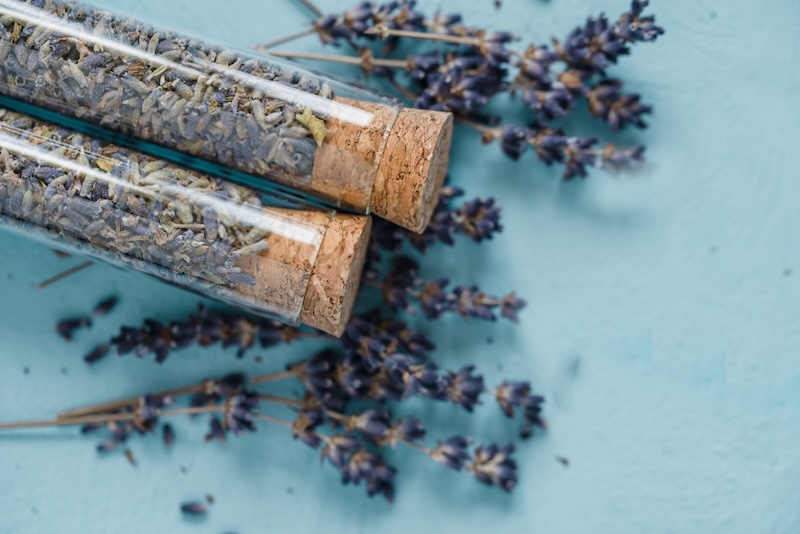
Fresh lavender will hold for about a week in the fridge wrapped in a damp paper towel. For longer storage, drying is the move. Hang small bundles upside down in a cool, dark space with good airflow. Give it a couple of weeks. When the stems snap, you are ready. Strip the buds, toss the debris, and store the buds in an airtight container out of the light.
Scent-sational flavor
Lavender brings a soft floral sweetness with hints of citrus and herbs. The key is restraint. Dried buds are about three times stronger than fresh, so start small. Grind them into baked goods, or steep them into syrups, teas or cream for a gentle infusion. A simple lavender syrup can elevate everything from lemonade to cocktails.
Pretty delicious
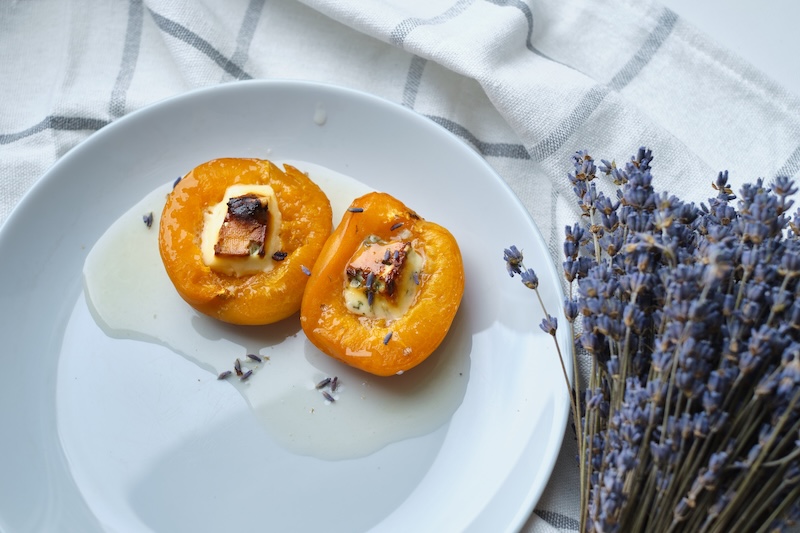
Lavender may be known for desserts, but it has a savory side, too. Use it like rosemary or thyme, just a touch, to deepen roasted chicken, lamb or even a light dressing. It is also part of Herbes de Provence, which should tell you everything you need to know. Pair it with lemon, honey, vanilla or herbs like basil and mint. Done right, it adds a quiet sophistication. The kind people notice, even if they cannot quite put their finger on why.
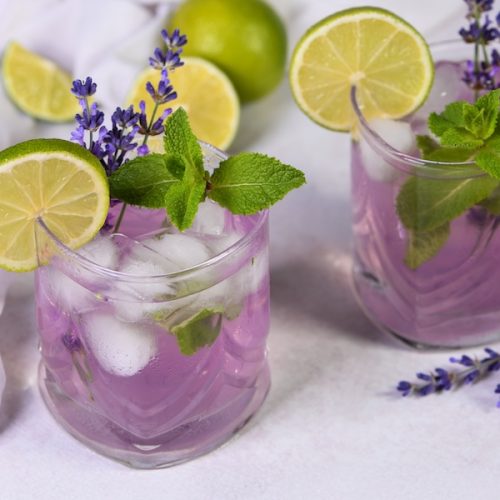
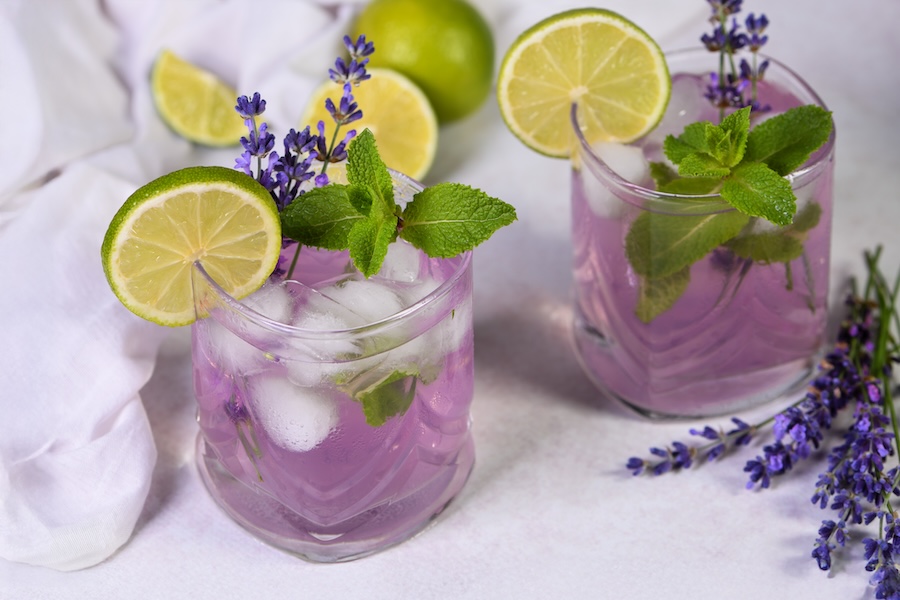
Lavender Lime Refresher
Ingredients
- 1 cup water
- 1 cup sugar
- 1 tablespoon dried culinary lavender
- 1/2 cup fresh lime juice about 4-5 limes
- 2 cups cold sparkling water or still water
- Ice
- Garnish: Fresh mint sprigs fresh lavender sprigs, lime slices
Instructions
- In a small saucepan, combine water and sugar over medium heat. Stir until dissolved. Add lavender, remove from heat and let steep for 10-15 minutes. Strain and cool completely.
- In a pitcher, combine 1/2 cup of the lavender syrup with fresh lime juice. Stir well.
- Fill two glasses with ice. Add a few mint leaves to each glass, and gently muddle to release their aroma.
- Pour the lavender-lime mixture over ice, then top with sparkling water. Stir gently to combine.
- Garnish with lime slices, fresh lavender sprigs and mint.
- Serve immediately.
Notes
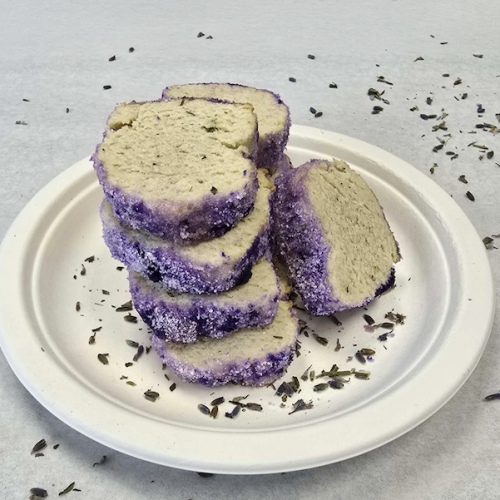
Lavender Shortbread Cookies
Ingredients
- 2 cups flour
- 1 stick salted butter
- 1 cup sugar divided
- 1/2 teaspoon dried lavender buds
- 1 to 2 tablespoons water
- Purple food coloring
Instructions
- Crush the lavender and set aside.
- In a mixing bowl, beat the butter and 1/2 cup sugar for 2 full minutes.
- In a separate bowl, sift the flour, add the lavender and stir to combine.
- Add the dry ingredients to the butter mixture and mix until crumbly. Add 1 tablespoon water and mix until a dough forms. If it is too crumbly, add another tablespoon of water. If too sticky, add a tablespoon of flour.
- Roll the dough into a log on parchment paper. Wrap in plastic wrap and chill for at least 1 hour.
- Add 2 drops of purple food coloring to the remaining 1/2 cup sugar on a sheet of plastic wrap. Roll the chilled dough log in the sugar. If the sugar does not stick, brush the log lightly with egg white and roll again.
- Slice into cookies about 1/8 to 1/4 inch thick and place on a cookie sheet 2 inches apart. Bake at 350 degrees for 8 to 10 minutes, or until lightly golden.