Leche de Tigre Recipe: How to Make Peru’s Iconic Ceviche Marinade
Secret Ingredient – How Peru’s iconic leche de tigre brings brightness, heat and depth to seafood
You may or may not have heard of leche de tigre, but you have almost certainly heard of ceviche. The name literally translates to “tiger’s milk,” though it has nothing to do with dairy. Instead, leche de tigre is the electric, citrus-forward marinade at the heart of Peru’s most iconic dish.
Traditionally, leche de tigre was simply the liquid left behind on the plate after the fish was eaten. A potent mix of lime juice, onion, chile and fish essence, it was far too good to waste. For generations Peruvians have spooned up the last drops, believing it could revive the weary, cure a hangover or even spark a little extra bravado. That belief is where the “tiger” reputation comes from.
As ceviche’s popularity spread, this once humble byproduct became a star in its own right. Modern leche de tigre is intentionally crafted, with fresh lime juice forming its acidic backbone and fish stock and pieces of firm white fish, such as sea bass or flounder, adding depth. Aromatics like garlic, celery, ginger and onion bring savory complexity, while cilantro and Peruvian ají or rocoto peppers contribute brightness and heat. The mixture is typically blended until smooth, then strained into a clear, intensely flavored liquid.
Purists argue it should remain simple, but contemporary variations sometimes include evaporated milk for a silkier texture. Bartenders have even been known to spike it with a splash of pisco.
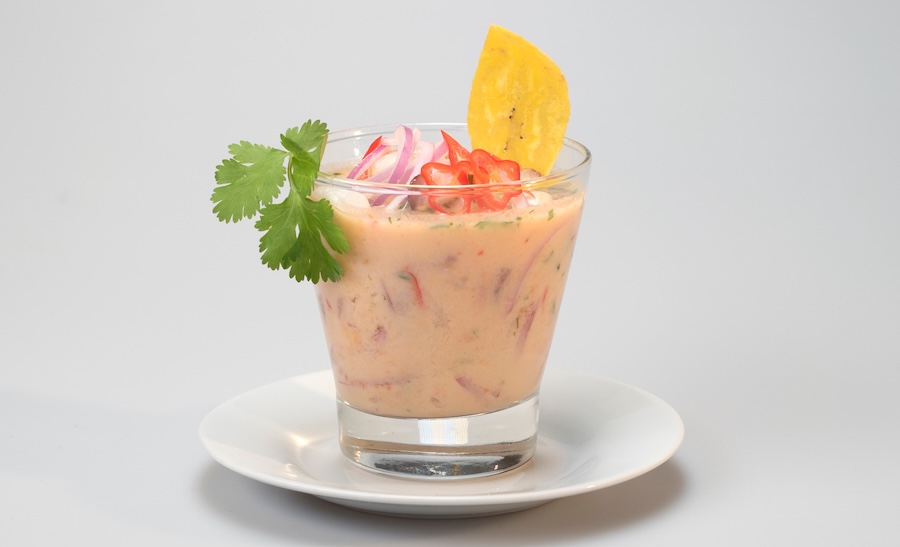
Today leche de tigre is far more than ceviche’s leftovers. It is served on its own in small glasses as an apéritif or palate cleanser, featured as a starter in seafood restaurants and even treated as a savory cocktail or nutrient-dense “smoothie.” At home it works as a secret ingredient that instantly elevates seafood, adds punch to dressings and sauces or brings a sharp, coastal edge to unexpected dishes. However it is made, leche de tigre remains a bold expression of Peruvian flavor that is bright, bracing and very much alive.

Leche de tigre ceviche
Ingredients
Ingredients (leche de tigre)
- 1 cup fish trimmings sea bass, snapper, corvina or tilapia
- 1 cup fresh lime juice
- 1 stalk celery chopped
- 1/2 small red onion chopped
- 1 garlic clove
- 1- inch piece fresh ginger
- 1-2 tablespoons ají limo or ají amarillo paste
- Salt to taste
- Ice cubes
Ingredients (ceviche)
- 1 pound very fresh white fish cut into 1/2-inch cubes
- 3/4 cup leche de tigre
- 1/2 red onion very thinly sliced
- 1-2 tablespoons ají limo or ají amarillo paste
- Fresh cilantro chopped
- Salt to taste
Ingredients (tostone cups)
- 2-3 green plantains
- Oil for frying
- Salt
Instructions
Directions (leche de tigre)
- Blend all ingredients except ice for 30 seconds. Add ice, and blend briefly.
- Strain and chill.
Directions (ceviche)
- Lightly salt fish. Add leche de tigre, and chill, tossing for 30-60 seconds.
- Fold in onion and cilantro. Adjust seasoning.
Directions (tostone cups)
- Cut plantains into thick slices. Fry at 325 degrees until pale yellow.
- Smash into cups, then fry again at 375 degrees until golden. Salt immediately. Assembly: Spoon ceviche into tostone cups. Drizzle with extra leche de tigre, and garnish with onion and cilantro.
Notes
Frequently Asked Questions About Leche de Tigre
What is leche de tigre?
Leche de tigre is the citrus-based marinade used in Peruvian ceviche, made with lime juice, fish, chile and aromatics.
Why is it called tiger’s milk?
The name refers to its bold, energizing flavor and the traditional belief that it restores strength.
Is leche de tigre dairy?
No. Despite the name, traditional leche de tigre contains no milk.
Can you drink leche de tigre?
Yes. In Peru, it is often served in small glasses as an appetizer or palate cleanser.
How long should fish marinate in leche de tigre?
Only briefly — typically 30 to 60 seconds — to preserve texture and freshness.