Can South Carolina’s Shrimping Industry Be Saved?
Mounting pressures from all sides have put the squeeze on a Lowcountry tradition. But what can be done?
Story by Barry Kaufman + Photography by Michael Hrizuk
Among all of the Lowcountry’s iconography, few images are as romantic, as timeless or as filled with a sense of place as a shrimp boat on the horizon. Its soaring outriggers silhouetted against the rising sun, a cloud of seagulls already swirling in search of unguarded bycatch, it was a familiar sight long before resort developers and condo kings came to town.
South Carolina Has Fewer Shrimp Boats & Bigger Problems
Fewer boats, bigger problems
These days, however, spotting one of these boats has become more and more of a rarity. Data from the South Carolina Department of Natural Resources puts this scarcity in stark relief, showing that a fleet that once numbered roughly 1,100 state-licensed shrimp trawlers had shrunk to just 360 last year. And those are just the ones the state can count.
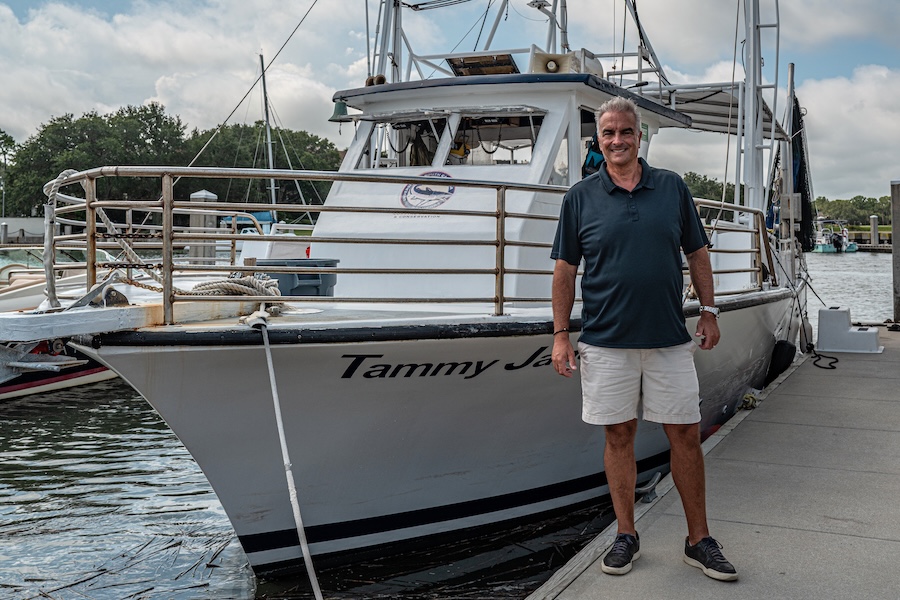
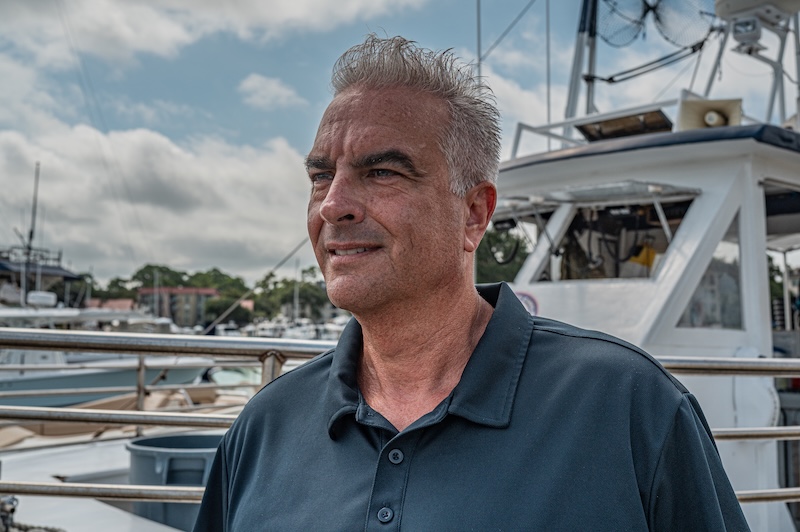
“They think that we might actually have just 120 that are actively trawling,” said Keith Walston, owner of Vagabond Cruise.
Walston isn’t just a casual observer of the industry’s decline. Having leased the Benny Hudson railway on the north end of Hilton Head Island, he worked alongside some of the people who had been titans of the industry’s heyday.
“I got to understand the shrimping industry by working with Gene Orage. He’d haul the Vagabond for me on that railway, and we’d just talk about the ups and downs of the industry,” he said. “The more I learned about the industry, the more I’ve become passionate about it.”
That passion turned into an investigation, with Walston putting together the pieces of the puzzle to figure out exactly how an industry that accounted for more than $23 million in value at one point in 1989 has withered to nearly a third of that.
How Imported Shrimp & Rising Costs Are Hurting Local Shrimpers
It’s a difficult question because there isn’t one clear factor.
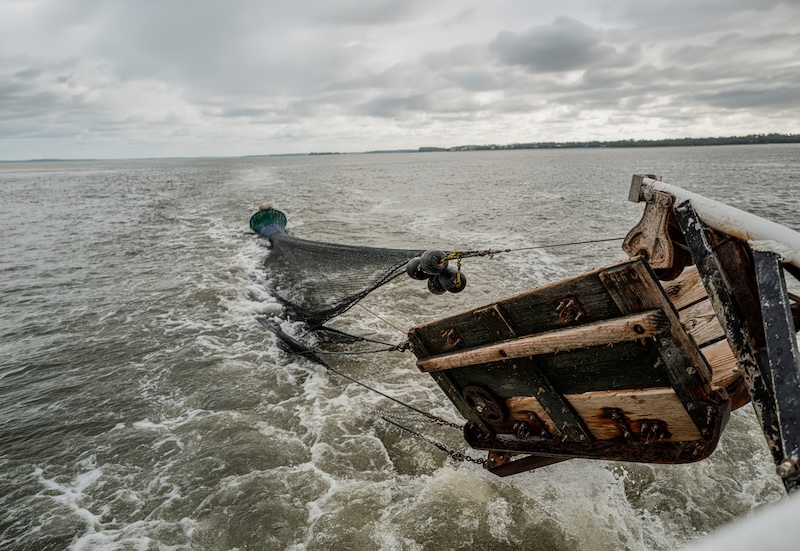
There are the financial pressures, of course. Diesel fuel prices have soared, with some docks now asking $6.20 a gallon. Tradition once dictated that a third of the value harvested would go to the crew, but that amount no longer provides a living wage. The biggest financial pressure, however, comes from imported shrimp that have flooded the market.
“If you see the videos that come out of Thailand, where they’re raising these shrimp, they’re raising them in headwater lagoons, filled with excrement and meal that’s laced with antibiotics and all sorts of growth hormones,” said Walston. “I mean, it’s really horrible.”
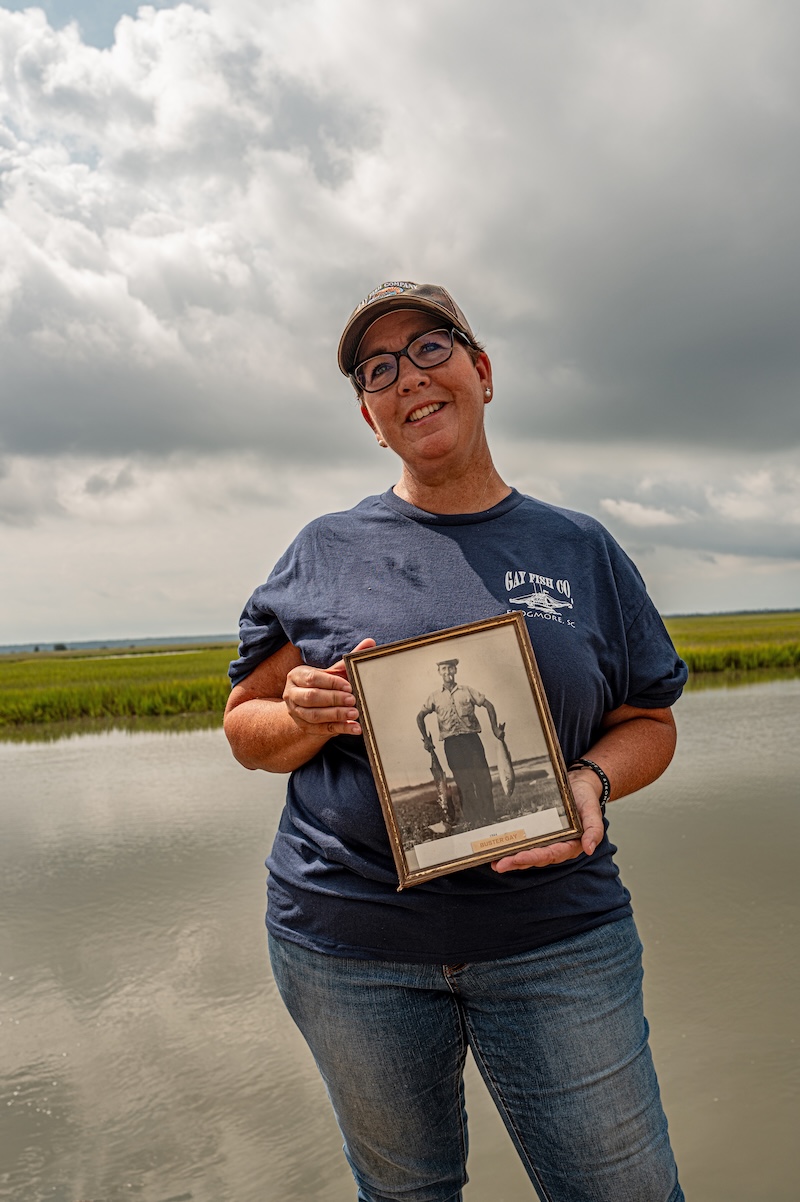
Cyndy Carr, the latest generation of the Gay family to run Gay Fish Company on St. Helena Island, also sees consumers’ willingness to buy markedly cheaper imported shrimp as a major problem for the industry. The SHRIMP Act, introduced by Rep. Nancy Mace, was a good start, she said, but only the beginning.
“They did a pretty good job bringing attention to everything, but I don’t know that it’s going to make restaurants buy local more,” she said. “Time will tell, but no market correction is immediate.”
The Cost of Keeping South Carolina Shrimp Boats Afloat
The cost of staying afloat
But pressure from foreign shrimp is just one of the challenges contributing to the industry’s decline. Walston also points to an insurance industry that has all but abandoned shrimpers.
“Insurance companies have gotten very picky about boats that they will insure. Most of them now require a marine survey, and marine surveyors … because we’re so litigious now, have gotten very, very careful about what they recommend for insurance,” he said. “If you can’t get insurance, you can’t get bank financing. That’s caused bigger problems for new people coming into the industry. A lot of the boats out already are old and paid for.”
The result is an industry feeling financial pressure from all angles. Its catch is worth less, thanks to a market flooded by foreign competition, and margins have become razor-thin as labor, fuel and insurance costs have all spiked. On a broader level, the place shrimpers call home no longer offers the ample harbor access it once did.
“In the last 10 or 15 years, all these docks that these guys used to run from, that land is being sold to build condominiums and Safe Harbor marinas that don’t want shrimp boats,” said Walston. “So the places where these guys can run from are getting fewer and fewer as the development pressure grows.”
Even dedicated spots like the docks at Gay Fish Company face challenges staying afloat.
“We were literally falling in the water a few years ago, and we got a $500,000 grant from the Department of Agriculture to rebuild our dockage,” said Carr. “Then in turn, the building suffered from the construction of the dock, because we’ve been in the plant since ’48. So that has kind of led to (more construction costs). So that onion is peeling back slowly and slowly.”
Can Wild-Caught Local Shrimp Be Marketed as a Premium Product?
Selling the story
So what can be done? According to Walston, shrimpers need to embrace the premium product they offer.
“I look at the salmon industry as an example of what the solution to this looks like. The advent of farm-raised salmon almost killed the wild-caught, traditional salmon fishery,” he said. “So these fisheries began to work together to market wild-caught salmon as a premium product. And that, I think, is how the shrimp industry survives — create a provenance around wild-caught local shrimp. Tell the story behind each of these boats and these families.”
It’s a story worth telling, and one that could help save an entire industry if told right.