What’s Fresh in June? Tomatillos Bring Bright Flavor to Summer Cooking
Tangy, bright and built for summer, tomatillos bring a fresh twist to warm-weather cooking
Story by Bailey Gilliam
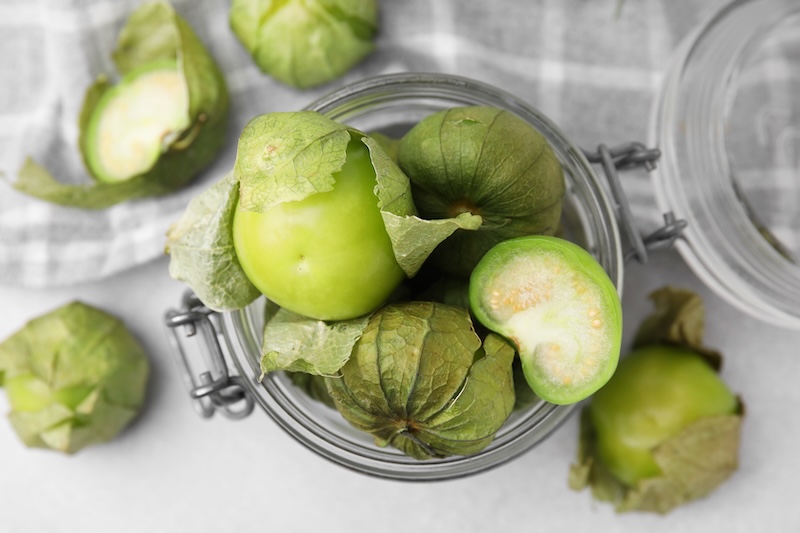
For many people, tomatillos fall into the category of familiar but not quite understood. You’ve seen them in salsa verde or tucked into bins at the grocery store, their papery husks adding a hint of mystery. The name translates to “little tomato,” but that’s where the similarity ends. Tomatillos belong to the nightshade family, but they’re closer cousins to ground cherries, with a flavor all their own. Bright, tangy and lightly citrusy, they bring a clean pop that cuts through rich dishes and wakes up everything around them. Easy to grow and even easier to cook with, tomatillos are worth a closer look, especially this time of year.
You say tomato
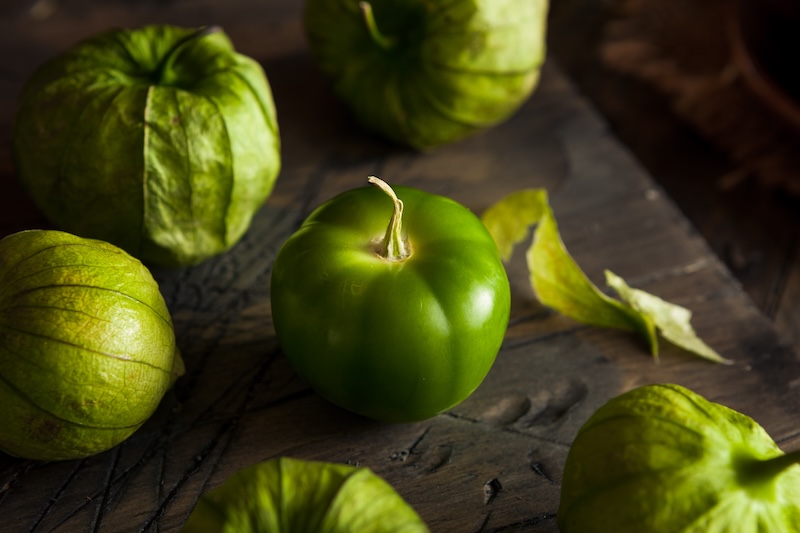
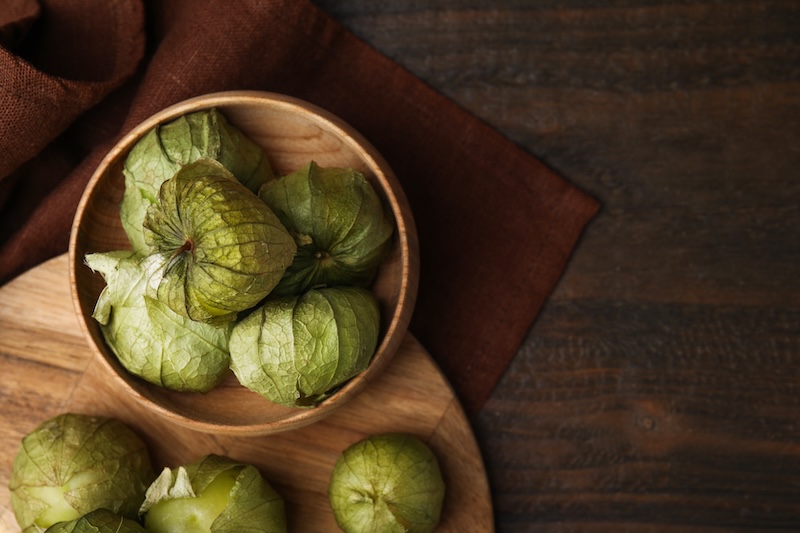
Let’s clear it up: tomatillos are not unripe tomatoes. They come from Central America, where they’ve long been essential to Latin American cooking, while tomatoes trace back to South America and spread worldwide. The differences are obvious once you know what to look for. Tomatillos are small, green and wrapped in a papery husk that peels away to reveal a slightly sticky skin. Tomatoes are smooth, glossy and come in a range of colors.
The biggest divide is flavor. Tomatillos are firm and dense with a bright, almost citrus-like tang. Tomatoes are softer, juicier and sweeter when ripe. In the kitchen, tomatillos bring acidity and depth to sauces, soups and stews, while tomatoes play a broader, more familiar role. Similar name, completely different personality.
Sun soaked
Tomatillos love the kind of heat and sun the Lowcountry delivers in June. Give them full sun, well-draining soil and room to sprawl, and they’ll take off. Unlike tomatoes, they need at least two plants to produce fruit, relying on cross-pollination to get the job done. Plant a few weeks after the last frost, space them generously and stake them early to keep their vigorous growth in check. In our humid climate, consistent watering, about an inch a week, and a layer of mulch go a long way toward keeping roots cool and productive. You’ll know they’re ready when the fruit fills out the husk and feels firm. Most are picked green, when their flavor is at its sharpest, though some varieties blush yellow or purple as they mature.
Green goodness
Tomatillos may be small, but they bring a lot to the table. They’re low in calories and rich in fiber, helping with digestion and balance. They also deliver a solid dose of vitamins C, A and K, along with potassium and magnesium. What really stands out are their plant compounds, including antioxidants like lutein and beta-carotene. These support eye health, help reduce inflammation and give the immune system a boost. Add in their high water content, and you’ve got an ingredient that’s as refreshing as it is flavorful.
Prime picks
Look for tomatillos that are firm, bright green and wrapped in fresh, mostly intact husks. A slight split is fine, but avoid fruit with dry, brittle or missing husks. Ideally, the fruit should fill out the wrapper, a sign it’s at peak flavor. Store them on the counter for a day or two or in the refrigerator for up to a couple of weeks. Keep them loosely wrapped so moisture doesn’t build up. For longer storage, remove the husks, rinse off the natural sticky coating and freeze. Like most produce, they’re best when used while still firm and vibrant.
Prep talk
That papery husk may look decorative, but it has to go. Peel it off and rinse the fruit to remove the slightly sticky film underneath. After that, they’re ready for whatever comes next. Tomatillos rarely take center stage, but they make everything around them better. Their citrusy tang and subtle vegetal edge pair naturally with bold, spicy and rich flavors, adding balance without overpowering a dish.
Tangy upgrade
Raw tomatillos are crisp and lively, perfect for salsas and fresh sauces where their acidity shines. Cook them and they transform. Roasting or grilling softens their bite and brings out a deeper, slightly sweet flavor with blistered skins adding a smoky edge. They’re best known for salsa verde, but their range goes much further. Blend them into creamy sauces, stir them into soups and stews or use them to brighten chili, curries and braised meats. They can even step in for tomatoes, offering a lighter, tangier twist.
Bring your best
How you cook tomatillos shapes their flavor. For smoky depth, roasting is the move. For something quick with a little texture, sautéing gets it done. And if you want to mellow their edge for a smoother sauce, boiling is the way to go.
Roast
Halve and toss with oil and seasoning. Roast at 400 degrees for 15-20 minutes until tender and lightly charred.
Sauté
Cook sliced or diced tomatillos in a hot pan with oil for 5-7 minutes until softened with golden edges.
Boil
Simmer whole tomatillos for 5-7 minutes until tender, then drain and cool.
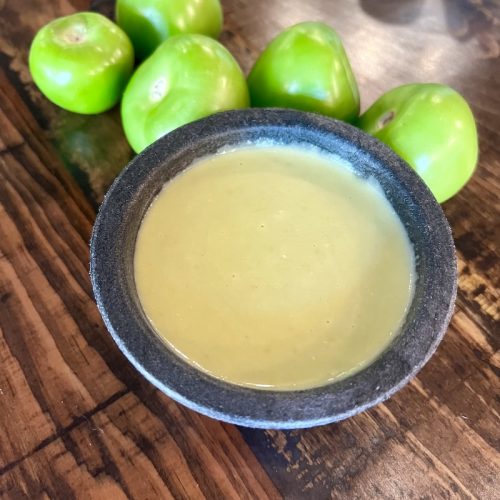
Salsa verde
Ingredients
- 1 1/2 pounds tomatillos husked and rinsed
- 1 jalapeño use half for milder heat
- 1/2 cup olive oil
- 2 tablespoons fresh garlic peeled
- 1/2 ounce chicken base about 1 tablespoon
- 2 tablespoons yellow onion about 1/8 onion
Instructions
- Combine tomatillos, jalapeño and onion in a pot with olive oil. Cook over medium heat until softened and beginning to break down.
- Remove from heat.
- Blend with garlic and chicken base until smooth and creamy.

Pork, poblano tomatillo chili
Ingredients
- 1 pound tomatillos husked and rinsed
- 2 plum tomatoes
- 4 large poblano peppers
- 1/2 –2 jalapeños depending on heat preference
- 1/2 cup vegetable oil divided
- 3 pounds pork butt or shoulder cut into 1 1/2-inch pieces (trim excess fat)
- 2 tablespoons cumin
- 2 tablespoons chili powder
- Salt and pepper to taste
- 1 yellow onion small dice
- 3 garlic cloves minced
- 2 tablespoons cornmeal
- 4 cups low-sodium chicken broth
- Cornstarch as needed
- Optional: grated cheddar green onions, sour cream
Instructions
- Toss tomatillos, tomatoes, poblanos and jalapeños with 1-2 tablespoons oil on a baking sheet. Broil, turning once or twice, until charred, about 10-12 minutes.
- Transfer peppers to a bowl and cover to steam for 10 minutes. Peel skins from tomatoes. Chop tomatoes and tomatillos. Peel, seed and chop peppers (poblanos in 1-inch pieces, jalapeños minced).
- Season pork with cumin, chili powder, salt and pepper.
- Heat 2 tablespoons oil in a large Dutch oven over medium heat. Brown pork, 3-5 minutes, then transfer to a plate.
- Add more oil if needed. Cook onion and garlic until softened, about 2-3 minutes. Stir in cornmeal and cook 1 minute. Add vegetables, pork and broth. Cover and simmer until pork is tender, about 1 1/2 hours.
- Uncover, adjust seasoning and simmer 30 minutes more until slightly thickened. If needed, add a cornstarch slurry to reach desired consistency.
- Serve with toppings of choice. Cornbread makes a perfect side.