What’s Fresh In November? Acorn Squash
A sweet, nutty taste of Lowcountry fall
Story by Bailey Gilliam
With its deep green ridges, golden flesh and nutty shape, acorn squash is a quiet hero of fall. Subtly sweet, smooth and endlessly versatile, this cool-weather crop shines in everything from simple roasts to elegant holiday sides. While often overshadowed by butternut or pumpkin, acorn squash brings its own depth to the table, especially in November, when its comforting flavor and sturdy texture make it a natural fit for Thanksgiving feasts. Whether stuffed, sliced or puréed, it’s an ingredient that makes a fall meal feel like home.
A mysterious history
Acorn squash may look humble, but it’s anything but ordinary. Although squash has been cultivated by indigenous peoples for thousands of years, the specific variety we know as acorn has a slightly mysterious past. Some say it originated with the Arikara tribe of the Dakotas, while others credit Danish settlers who brought seeds to Iowa in the late 1800s. What is certain is that the Iowa Seed Company first introduced it commercially in 1913 and briefly renamed it the Des Moines squash to boost sales. More than a century later, its ridged shell and rich autumn hues make it one of the most recognizable and photogenic members of the squash family.
Italian Sausage & Mushroom Stuffed Acorn Squash
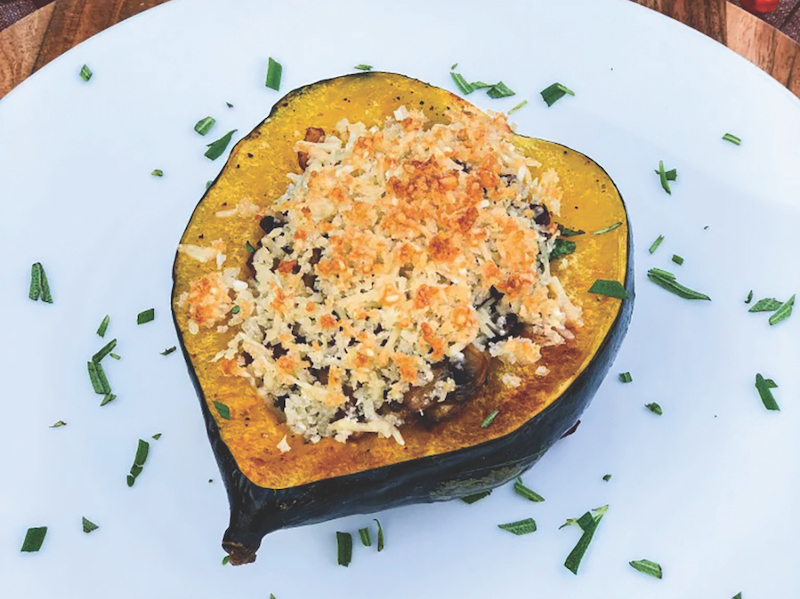
Michael Anthony’s Cucina Italiana
Chef Will Overacre serves up a hearty fall favorite that hits all the right notes: savory, sweet and satisfyingly rich. Each roasted squash half is stuffed with Italian sausage, mushrooms, onions, spinach, rosemary and cranberries, then finished with a buttery Parmesan-panko topping for the perfect crunch.
Ingredients
2 acorn squash, halved lengthwise and centers scooped clean
3 tablespoons olive oil, divided
1 1/2 teaspoons kosher salt, divided
Ground black pepper, to taste
8 ounces mild Italian sausage
1/2 cup yellow or white onion, diced
1 8-ounce package button mushrooms, sliced
1 large handful baby spinach
1/4 cup dried cranberries
1 tablespoon fresh rosemary, chopped
2 tablespoons butter
1/3 cup shredded Parmesan
1/3 cup Panko breadcrumbs
Directions
[1] Heat the oven to 400 degrees. Line a large baking sheet with parchment paper or tin foil. Place cleaned and seeded acorn squash halves, cut side up, on a baking sheet. Brush with 1 tablespoon of olive oil, and sprinkle 3/4 teaspoon salt and pepper to taste evenly over the four squash. Turn over so that the cut side is down. Place in the oven and roast for 25 minutes. [2] Make the filling by heating a large skillet to medium-high heat. Add sausage, and crumble while cooking until brown and cooked through. Transfer to a paper towel-lined plate to drain. [3] Add 2 tablespoons of olive oil to the pan, then add onions. Cook for a few minutes or until softened, then add the mushrooms. Cook for about 7 more minutes or until soft and brown. Add spinach and stir until wilted down. Add cranberries, rosemary, cooked sausage, 3/4 teaspoon salt and black pepper, then stir to combine. Remove from heat and set aside. [4] Melt butter in a small bowl, then add Parmesan and panko. Toss to combine. [5] When the squash is done roasting, remove the pan from the oven, carefully turn them over, and scoop the filling into the four halves evenly. Top with panko mixture. Place back in the oven to roast for 15-20 minutes or until the topping is golden brown. Serve immediately.
Superfood in disguise
Acorn squash isn’t just delicious, it’s also loaded with nutrients that make it a stealth superfood. Rich in vitamins A and C, it supports immune function and skin health, while its high fiber content aids digestion and keeps you satisfied. You’ll also find potassium for healthy blood pressure and magnesium for muscle and nerve function. With a low calorie count and high nutritional value, acorn squash proves that comfort food can be good for you too.
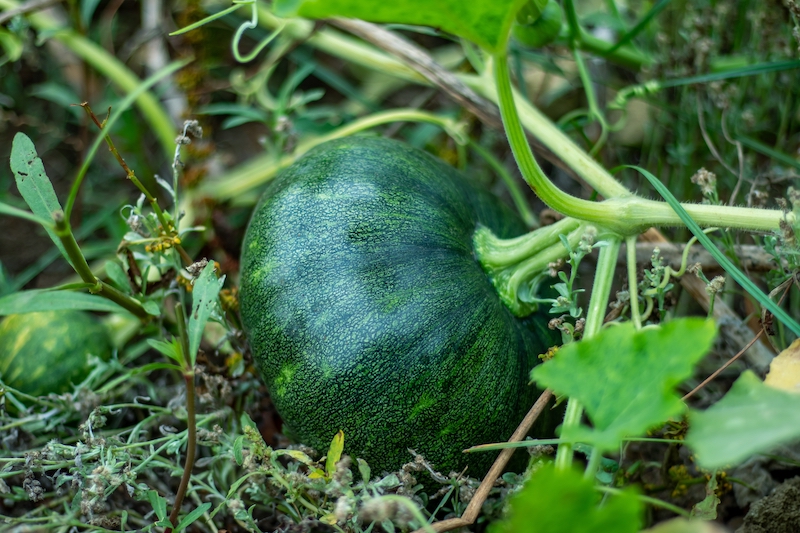
Season’s Eatings: In the Lowcountry acorn squash is more than a side dish; it’s a sign that sweater weather and cozy suppers have finally arrived. Its sweet, nutty flavor brings warmth and comfort to the table, one roasted half at a time.
Grow your own
In the Lowcountry, timing is everything. Plant acorn squash once the frost risk has passed, typically late March through early May for a spring crop or early August for fall. It prefers well-drained soil with a pH between 6.2 and 6.5. Sow two or three seeds per hill about an inch deep, spacing hills 3- to 5-feet apart and rows 6- to 8-feet apart. Keep the soil evenly moist, and use drip irrigation to avoid wetting the leaves. Fertilize before planting and again when blooms appear. Mulch with pine straw or black plastic to retain moisture and control weeds. Harvest when the skin turns dull and hard, leaving a bit of stem attached for best storage.
Pick of the patch
When shopping, pick squash that feels heavy for its size, ideally between one and three pounds. The skin should be smooth and matte, not shiny unless waxed, and free of soft spots. A dark green rind with a few orange patches signals ripeness. Too much orange means it’s overripe, which can make the flesh dry and stringy.
From counter to cutting board
Acorn squash keeps best in a cool, dark spot around 50 to 55 degrees and can last for a month. Refrigerate only cut or cooked squash, wrapped tightly and eaten within four days. Leaving a bit of stem helps reduce moisture loss. To prep, start with a sturdy knife. Slice from the stem to the point, not straight across the middle. For easier cutting, pierce the skin with a fork, and microwave the squash for two minutes before slicing. Once halved, shave a small piece off the bottom of each half so it sits flat on a baking tray, then scoop out the seeds and stringy pulp. Don’t toss those seeds; roast them for a crunchy snack. Even the blossoms are edible if you’re lucky enough to find them.
So many ways to squash it
Mildly sweet, nutty and just earthy enough, acorn squash pairs beautifully with brown butter, maple syrup, sage or warming spices. Chef Benjamin Harris of The Sea Pines Resort likes it with fennel and coriander, flavors that bring out its subtle sweetness. Leslie Stewart of Palmetto Bay Sunrise Café prefers brown sugar, honey and a ladleful of fall soup for cozy comfort. Roast it, bake it, steam it or microwave it. This squash can handle it all. Baking halved squash at 375 degrees for about an hour brings out the best texture and flavor. For caramelized edges, turn up the heat for the last 15 minutes. Microwaving halves for 13 minutes is a solid shortcut that preserves taste and texture. Boiling, on the other hand, tends to wash away flavor, so it’s best avoided.
A tale of two squash
The difference between summer and winter squash comes down to timing. Summer squash, like zucchini, is harvested young, with tender skin and a short shelf life. Winter squash, such as acorn, butternut and spaghetti, ripens longer on the vine, developing a hard rind and sweet, dense flesh that stores well. Acorn squash bridges the gap between the two. It’s botanically a summer squash but behaves like a winter one in the kitchen.
Roasted Squash with Butter and Sesame
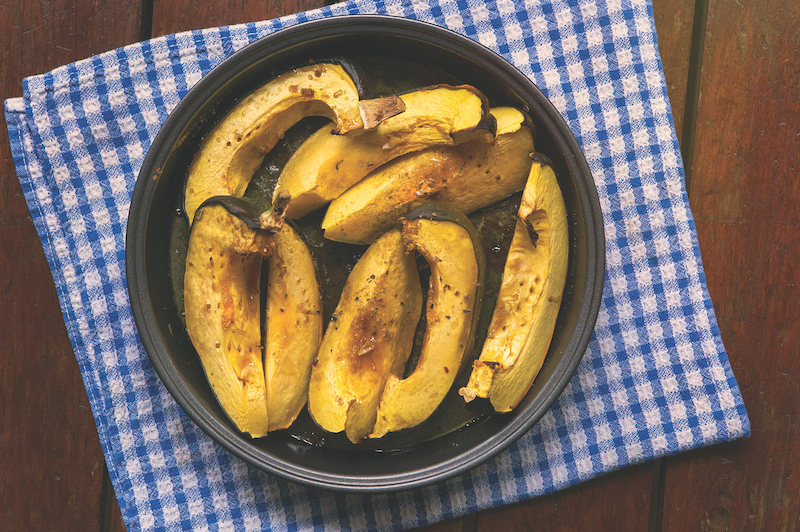
Certified South Carolina
This simple recipe from Crescent Farm in Clinton, South Carolina, is proof that acorn squash doesn’t need much to shine. A touch of spiced butter, a sprinkle of sesame seeds and a little salt transform it into a dish that tastes like November.
Ingredients
8 tablespoons unsalted butter
4 teaspoons ground cinnamon, garam masala or other wintery spices
2 1.5-pound acorn squashes (halved, seeds removed and cut into 12 half-moons)
2 teaspoons kosher salt
2 teaspoons sesame seeds
Directions
[1] Heat oven to 425 degrees. While heating, heat the butter in a small skillet over medium heat and thoroughly whisk in the cinnamon. Remove from heat. [2] Place the squash, flesh side up, on a roasting pan. Baste them with half of the butter mixture, and season with 1 teaspoon of the salt. [3] Bake for 35 minutes, or until the squash begins to brown at the upper corners. [4] Heat the remaining spiced butter, baste each squash slice, and then sprinkle generously with toasted sesame seeds and the remaining 1 teaspoon of salt.