
The Health Benefits of Pets: How Animals Improve Our Mental & Physical Well-Being
The connection between people and pets improves health, happiness and well-being for both.
Pets have an incredible ability to comfort, encourage and enrich our lives. Beyond companionship, research continues to show that animals can improve mental health, reduce stress, promote physical activity and even support healthy aging. Whether you share your home with a dog, cat, bird or another beloved companion, the relationship benefits both people and pets in meaningful ways.
By Bailey Gilliam
The Emotional Benefits of Pet Companionship
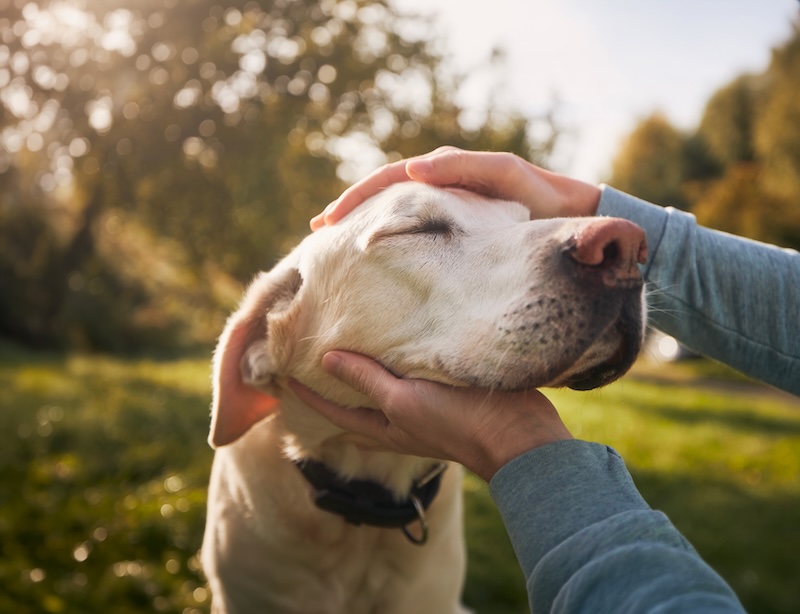
Few things offer comfort quite like the unconditional love of an animal. After a difficult day, a wagging tail at the door, a cat curling into your lap or even the cheerful sounds of a bird greeting you can instantly shift your mood. Animals have a remarkable ability to make us feel loved, needed and supported in ways few other bonds can match.
As it turns out, those feelings extend far beyond emotion. Researchers continue to find that sharing life with animals benefits both our mental and physical health. At the same time, pets receive the care, security and affection they need to thrive.
“It’s a mutually beneficial relationship,” said Carla Genther, Hospital Manager and Veterinary Assistant at Carolina Veterinary Critical Care. “Owning a pet isn’t just about having an animal in the house. It taps into many of the same emotional needs that shape our closest human relationships.”
Pets quickly become family. They settle into our daily rhythms, comfort us through life’s hardest moments and quietly — though some are far less quiet about it — remind us that we are never truly alone.
That kind of bond may be difficult to measure, but its impact is undeniable.
How Pets Create Healthy Daily Routines
Creatures of habit
Humans and pets both thrive on consistency, and the routines we build together often benefit everyone involved.
“Pets often become part companion, part routine, part emotional support system,” Genther said. “They offer steady affection and rely on us in ways that can give structure and meaning to a person’s day.”
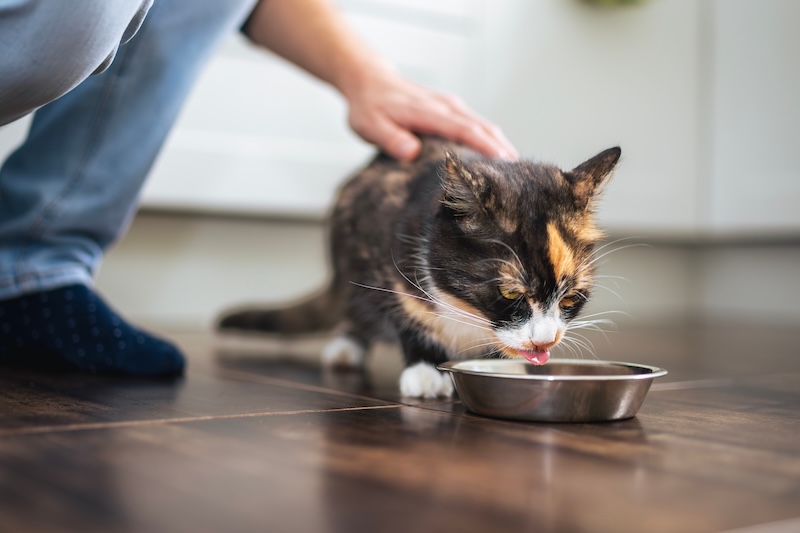
Simple daily responsibilities, like feeding a pet, walking a dog or cleaning an enclosure, create habits that can anchor even the busiest or most stressful days while giving owners a greater sense of purpose and accomplishment.
Even simply sharing space with an animal can help ease feelings of loneliness.
And for those who do not currently have pets of their own, spending time with a friend’s or family member’s animal can provide many of the same emotional benefits.

Pets Help Reduce Stress & Anxiety
Puppy love
One of the most powerful benefits of pet ownership is its ability to help regulate stress. Genther explains that physical touch and close contact with animals can calm the nervous system and help pull people out of anxious states.
“Pets offer unconditional acceptance,” she said. “Their steady presence creates a sense of comfort and emotional security that can be incredibly grounding.”
Science continues to support what pet owners have known for years. Studies show that interacting with animals lowers cortisol, the body’s primary stress hormone, while increasing oxytocin, the chemical closely tied to bonding and emotional well-being. Even simple moments like petting, grooming or playing can improve mood, sharpen focus and reduce feelings of anxiety or mental fatigue.
Cat owners report many of the same benefits, often saying they feel happier, more relaxed and better able to focus after spending time with their feline companions — at least when those companions are not taking over the entire bed.

The Physical Health Benefits of Pet Ownership
Going the extra mile
The emotional benefits of pet companionship often lead to physical ones as well. Dog owners are significantly more likely to meet healthy daily activity levels, thanks to regular walks, outdoor play and the simple reality that dogs rarely let their owners skip movement for long. That extra activity helps maintain a healthy weight, supports heart health and lowers the risk of chronic disease.
Pet owners also tend to have lower resting blood pressure than people without pets. Even a few quiet minutes of cuddling before work or after a stressful day may provide lasting cardiovascular benefits.
Not all benefits come through movement alone. Studies have shown that therapy dogs can help children with ADHD improve focus, cooperation and social skills, while interactions with animals often help children feel calmer and more comfortable in social settings.
Even quieter companions can provide their own calming benefits. Watching fish glide through an aquarium can promote relaxation, while caring for turtles, reptiles and other animals brings many of the same rewards that come with nurturing any living creature.
Why Pets Are Important as We Age
Growing together
The benefits of pet companionship often become even more valuable with age.
Older adults with pets frequently report less loneliness, lower stress levels and a better overall quality of life. Caring for an animal encourages regular movement, creates healthy routines and provides emotional support that can help reduce depression.
Emerging research also suggests pet ownership may support cognitive health. Some studies have found that pet owners, particularly dog owners, perform better on tests measuring memory, attention and processing speed than people without pets. Researchers believe the combination of physical activity, mental stimulation and social interaction may help protect the brain as we age.
Pets have even been shown to improve quality of life for people living with Alzheimer’s disease and dementia by reducing distress and encouraging positive interaction.
Why the Human-Animal Bond Matters
The bond goes both ways
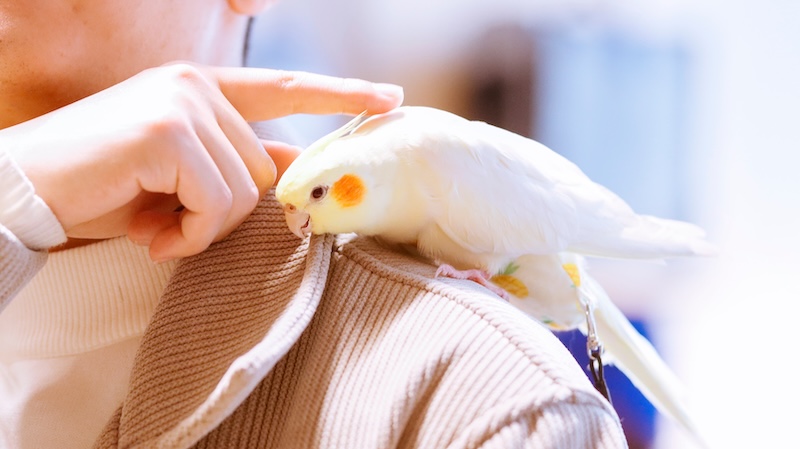
While we often focus on what our pets do for us, the relationship is equally meaningful for them. Animals thrive when they have loving caregivers, predictable routines and opportunities for play, enrichment and affection. Positive interaction helps build confidence and reduce anxiety, just as it does for people.
Spending time together releases oxytocin in both humans and animals, strengthening trust and deepening attachment.
“All of these things lead to a mutually beneficial relationship of care and affection,” Genther said. “I meet the pet’s needs, and the pet enriches my emotional and social well-being.”
For thousands of years humans and animals have cared for one another in ways both simple and profound. We provide food, safety and affection. In return, they encourage us to slow down, stay present and appreciate the comfort found in simply being present with another living creature.
Science helps explain why animals improve our lives, but pet owners already know the truth: life simply feels better when shared with an animal who loves you unconditionally.
Some of life’s most powerful healing comes from the companions who never say a word.